Unlocking a luminous, even-toned complexion is a skincare aspiration shared by many. With countless products promising miraculous transformations, the journey to radiant skin can feel overwhelming. However, among the vast array of skincare solutions, face serums stand out as concentrated powerhouses, specifically formulated to target concerns like dullness, dark spots, and hyperpigmentation. If you’re seeking to restore your skin’s natural glow and achieve a brighter appearance, understanding face serums and how to choose the right one is your first step towards truly transformative results. This comprehensive guide will navigate you through everything you need to know about these potent elixirs, empowering you to make informed choices for a healthier, more vibrant complexion.
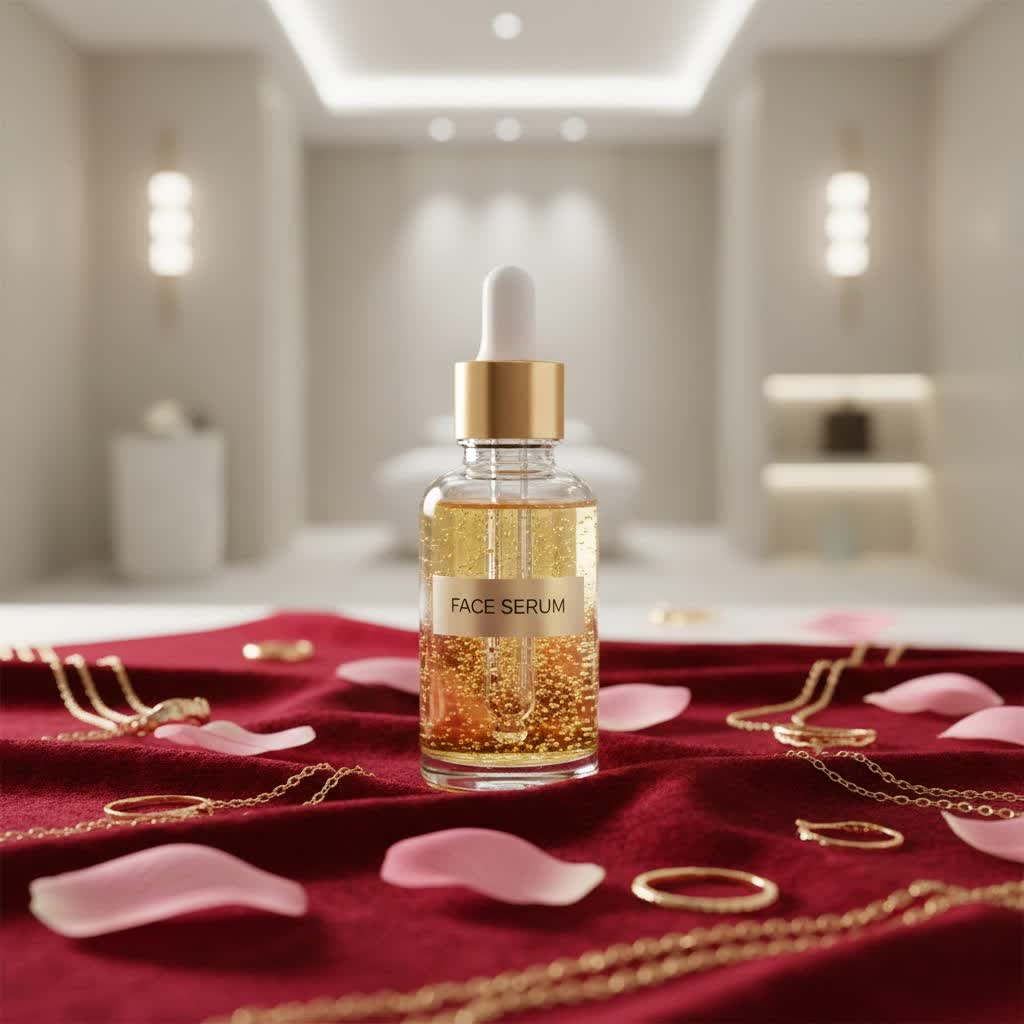
2. Face Serum: Everything You Need to Know
2.1. What Exactly is a Face Serum?
|
Our Picks for the Best Face Serum in 2026
As an Amazon Associate I earn from qualifying purchases.
|
||
| Num | Product | Action |
|---|---|---|
| 1 | TruSkin Vitamin C Serum for Face – Anti Aging Face Serum with Hyaluronic Acid & Vitamin E – Brightening Formula for Improving Appearance of Dark Spots, Fine Lines & Wrinkles – All Skin Types, 1 fl oz |

|
| 2 | Good Molecules Hyaluronic Acid Serum - 1% Hyaluronic Acid Non-greasy Ultra Hydrating Serum, Facial Moisturizer for Plumper Skin, Skin Care for Face |
|
| 3 | Salmon DNA PPRN Serum, 5000ppm Salmon Egg DNA & 2000ppm Collagen, with Glutathione, Niacinamide & 6 Hyaluronic Acids, Korean Anti-Aging Face Serum for Wrinkles and Radiance, 1.5 fl oz, 30 Count |
|
| 4 | Dr Sebagh Platinum Gold Elixir Travel Size (0.17 fl oz) - Luxury Anti Aging Serum with 24K Gold & Platinum - Hydrating Facial Serum for Women & Men - Anti Wrinkle & Antioxidant Skin Care |
|
| 5 | La Roche-Posay Hyalu B5 Pure Hyaluronic Acid Serum for Face, Vitamin B5 + Hyaluronic Acid + Madecassoside, Hydrating Serum Visibly Plumps Skin, Sensitive Skin Safe, Anti Aging, Oil-Free |
|
| 6 | medicube PDRN Pink Peptide Serum with Salmon DNA - Pink Glow Serum with Peptides & Niacinamide for Hydration & Firm-Looking Skin - Uneven Tone Care - Korean Skincare, 1.01 fl. Oz |
|
| 7 | medicube PDRN Pink Peptide Serum with Rose PDRN - Vegan Pink Glow Serum with Peptides & Niacinamide for Hydration & Firm-Looking Skin - Uneven Tone Care - Korean Skincare, 1.01 fl. Oz |
|
| 8 | Vichy LiftActiv Vitamin C Serum For Face, Brightening Serum With Pure Vitamin C + Hyaluronic Acid + Vitamin E, Reduces Fine Lines, Smooths Skin Texture, Improves Radiance, Anti Aging |
|
| 9 | The Ordinary Niacinamide 10% + Zinc 1%, Smoothing Serum for Blemish-Prone Skin |
|
| 10 | The Ordinary Hyaluronic Acid 2% + B5 (with Ceramides), Multi-Depth Hydration Serum for Plumper, Smoother Skin |
|
A face serum is a lightweight, concentrated skincare product designed to deliver high concentrations of active ingredients directly into the skin. Unlike heavier creams or lotions, serums are formulated with smaller molecules that allow them to penetrate deeper into the skin’s layers, addressing specific concerns more effectively. While the term “skin whitening serum” is frequently used, especially in certain markets, it’s generally understood to refer to products that promote “skin brightening” or “skin lightening.” These terms emphasize reducing dark spots, evening out skin tone, and enhancing overall radiance, rather than altering natural skin color. The goal is a clearer, more uniform, and luminous complexion.
2.2. Common Ingredients in Face Whitening Serums
The efficacy of a face serum largely depends on its active ingredients, each playing a crucial role in achieving brighter, more even skin.
- Vitamin C (L-Ascorbic Acid, Ethyl Ascorbic Acid): A powerful antioxidant, Vitamin C is a cornerstone in brightening serums. It combats free radicals, inhibits melanin production to fade dark spots and hyperpigmentation, and boosts collagen synthesis for a firmer, more youthful appearance. It’s particularly effective when used in the morning to provide environmental protection.
- Niacinamide (Vitamin B3): This versatile ingredient helps balance skin tone, reduces the intensity of dark spots, calms redness and irritation, and supports the skin’s natural barrier function. It’s excellent for improving overall skin texture and minimizing the appearance of acne marks.
- Alpha Arbutin: A naturally derived compound, Alpha Arbutin works by inhibiting tyrosinase, an enzyme crucial for melanin production. It effectively reduces the look of dark spots and hyperpigmentation with a lower risk of irritation compared to its synthetic counterparts like hydroquinone.
- Kojic Acid: Derived from various fungi, Kojic Acid is celebrated for its ability to suppress melanin production. It’s highly effective in treating dark spots, sun damage, and melasma, contributing to a brighter and more uniform complexion.
- Hyaluronic Acid: While not a direct skin lightener, Hyaluronic Acid is vital for deep hydration. By drawing and holding moisture in the skin, it helps plump the skin, smooth fine lines, and indirectly makes the skin appear brighter and more radiant due to improved texture and health.
- Glycolic Acid (AHA): As an alpha hydroxy acid, Glycolic Acid functions as a chemical exfoliant. It breaks down and removes dead skin cells from the surface, revealing fresher, brighter skin underneath and helping to fade the appearance of scars and pigmentation over time.
- Retinol: Primarily known for its anti-aging benefits, Retinol (a Vitamin A derivative) also contributes to skin brightening by accelerating cell turnover. This process helps shed pigmented cells, improving skin texture and reducing the visibility of dark spots. It’s typically recommended for nighttime use due to its photosensitivity.
- Licorice Root Extract, Tranexamic Acid, Azelaic Acid: These ingredients are also recognized for their ability to soothe skin, lighten dark spots, and target uneven tone, often found in specialized brightening formulations.
2.3. Benefits of Using Face Whitening Serums
Incorporating a well-chosen face serum into your routine can yield a multitude of benefits, transforming your complexion:
- Fading Dark Spots and Hyperpigmentation: Serums target excess melanin production, visibly reducing the appearance of sun spots, age spots, and post-inflammatory hyperpigmentation (acne marks).
- Evening Skin Tone: By regulating melanin and promoting cell turnover, serums help to create a more uniform and balanced complexion, addressing patchiness and discoloration.
- Boosting Radiance and Reducing Dullness: Active ingredients like Vitamin C and exfoliants work to remove dead skin cells and infuse the skin with vitality, leading to a noticeable healthy glow.
- Antioxidant Protection: Many brightening serums are packed with antioxidants that protect the skin from environmental stressors like pollution and UV radiation, which can contribute to premature aging and pigmentation.
- Improving Skin Texture: Ingredients such as Glycolic Acid and Retinol smooth the skin’s surface, refining pores and reducing roughness for a silkier feel.
- Deep Hydration: Serums containing Hyaluronic Acid provide intense moisture, keeping the skin supple, plump, and less prone to dehydration lines.
- Collagen Support: Ingredients like Vitamin C are crucial for collagen synthesis, helping to maintain skin firmness and elasticity, and diminishing the appearance of fine lines and wrinkles.
2.4. Popular Types of Face Serums on the Market
The market offers a diverse range of face serums, often categorized by their primary function, though many provide multi-faceted benefits:
- Hydrating Serums: These primarily focus on delivering moisture deep into the skin, often featuring Hyaluronic Acid. They can also aid in brightening by improving skin plumpness and health.
- Brightening/Lightening Serums: Explicitly designed to combat dark spots, hyperpigmentation, and dullness, these serums typically contain ingredients like Vitamin C, Niacinamide, Alpha Arbutin, and Kojic Acid.
- Anti-Aging Serums: While targeting fine lines and wrinkles, many anti-aging serums incorporate brightening ingredients (e.g., Vitamin C, Retinol) to also address age-related dark spots and promote an overall youthful radiance.
- Acne-Targeting Serums: Formulations with salicylic acid or niacinamide aim to reduce breakouts. Many of these also contain ingredients that help fade post-inflammatory hyperpigmentation, making them effective for achieving a clearer and more even complexion after acne.
2.5. Comparing Key Face Serum Ingredients
Understanding the core ingredients in face serums can help you pinpoint the best product for your skin. Here’s a comparison of some popular brightening agents:
| Ingredient | Primary Benefit | How It Works | Best For Skin Type | Potential Side Effects |
|---|---|---|---|---|
| Vitamin C | Brightening, Antioxidant | Inhibits melanin, boosts collagen, neutralizes free radicals | Most skin types, dull, uneven tone | Mild tingling, irritation if highly concentrated, photosensitivity |
| Niacinamide | Even Tone, Barrier Support | Blocks melanin transfer, reduces inflammation, strengthens skin barrier | All skin types, sensitive, acne-prone, oily | Flushing (rare), mild irritation |
| Alpha Arbutin | Dark Spot Reduction | Inhibits tyrosinase (melanin-producing enzyme) | Most skin types, hyperpigmentation, dark spots | Generally well-tolerated; very low irritation risk |
| Kojic Acid | Hyperpigmentation Treatment | Suppresses melanin production by inhibiting tyrosinase | Hyperpigmentation, sun damage, melasma | Can be irritating at higher concentrations, photosensitivity |
| Glycolic Acid | Exfoliation, Brightening | Removes dead skin cells, reveals brighter skin | Dull, textured, scarred, uneven tone | Sensitivity to sun, redness, tingling; requires careful introduction |
“The magic of a good skin brightening serum lies not just in a single ingredient, but often in the synergistic blend of actives that work together to target melanin pathways and support overall skin health.” – Dr. Anya Sharma, Dermatologist
2.6. How to Choose the Right Face Serum for Your Skin Type
Selecting the ideal face serum means matching its properties to your unique skin needs.
- Dry Skin: Look for serums that combine brightening agents with strong hydrating ingredients like Hyaluronic Acid or Ceramides. These formulations will help restore moisture while evening out skin tone.
- Oily Skin: Opt for lightweight, non-comedogenic serums. Ingredients like Niacinamide can help regulate oil production, while Salicylic Acid or Glycolic Acid can address pore congestion and post-acne marks without feeling heavy.
- Combination Skin: A balanced formula is key. Serums containing Alpha Arbutin or a gentle blend of Vitamin C and Niacinamide can address varying concerns across different areas of the face without over-drying or increasing oiliness.
- Sensitive Skin: Prioritize serums with gentler brightening ingredients such as Alpha Arbutin, Licorice Root Extract, or lower concentrations of Vitamin C (e.g., derivatives). Always perform a patch test before full application and introduce new products slowly.
- Mature Skin: Anti-aging brightening serums are beneficial, often featuring Vitamin C, Retinol, and Peptides alongside brightening components to address both pigmentation and signs of aging like fine lines and loss of firmness.
2.7. How to Use Face Serum Correctly
Proper application is crucial for maximizing the benefits of your face serum. Here’s a step-by-step guide:
- Cleanse Your Face: Start with a clean canvas. Use a gentle cleanser suitable for your skin type to remove dirt, oil, and makeup. Rinse thoroughly with lukewarm water and pat your face almost dry, leaving it slightly damp.
- Apply Toner (Optional but Recommended): A toner helps balance your skin’s pH and prepares it for better absorption of subsequent products.
- Dispense Serum: Take 2-3 drops or a pea-sized amount of serum onto your fingertips. Remember, serums are concentrated, so a small amount is sufficient for your entire face and neck.
- Gentle Application: Gently press or tap the serum into your skin using your fingertips. Avoid harsh rubbing, which can pull at the skin. Focus on areas of concern, such as dark spots or uneven tone. Applying to slightly damp skin helps with absorption.
- Allow Absorption Time: Wait 1-2 minutes for the serum to fully penetrate your skin before moving to the next step.
- Follow with Moisturizer: After the serum has absorbed, apply your preferred moisturizer to seal in the active ingredients and provide additional hydration.
- Finish with SPF (Morning Routine): If applying in the morning, always follow with a broad-spectrum sunscreen with an SPF of 30 or higher. Many brightening ingredients can increase skin sensitivity to the sun.
- Timing:
- Morning: Serums with Vitamin C are ideal for daytime use as their antioxidant properties offer protection against environmental damage.
- Night: Serums containing Retinol or higher concentrations of AHAs are best applied in the evening, as they work with the skin’s natural repair processes and can increase sun sensitivity. If using multiple serums with different active ingredients, consider alternating them between morning and night.
- Timing:
2.8. Where to Buy Authentic Face Serums
To ensure you are purchasing genuine and effective face serums, always buy from reputable sources:
- Authorized Retailers: Major department stores, certified beauty retailers, and pharmacies are reliable options.
- Brand Websites: Purchasing directly from the official brand’s website guarantees authenticity.
- Reputable Online Marketplaces: While convenient, exercise caution and verify sellers’ credentials on larger online platforms to avoid counterfeit products. Look for established sellers with positive reviews and clear return policies.
2.9. Important Considerations When Using Face Serums
While face serums can be incredibly beneficial, it’s essential to be aware of potential issues and best practices for safe use.
- Potential Side Effects: Some individuals may experience mild irritation, redness, tingling, or dryness, especially when first introducing potent active ingredients like Vitamin C, AHAs, or Retinol. Start with lower concentrations and gradually increase frequency as your skin adapts. If persistent irritation occurs, discontinue use and consult a dermatologist.
- Harmful Ingredients to Avoid: Be extremely cautious of products containing mercury or high concentrations of hydroquinone without medical supervision. Mercury is a highly toxic chemical banned in many countries for skincare due to severe health risks, including neurological damage and kidney problems. Long-term, unsupervised use of hydroquinone can lead to exogenous ochronosis, a permanent bluish-black discoloration of the skin. Always check ingredient lists thoroughly.
- Patch Testing: Before applying any new serum to your entire face, perform a patch test. Apply a small amount to an inconspicuous area (like behind your ear or on your inner forearm) and wait 24-48 hours to check for any adverse reactions.
- Non-Negotiable Sunscreen Use: Many brightening ingredients, particularly AHAs, Vitamin C, and Retinol, can increase your skin’s sensitivity to the sun. Consistent daily use of a broad-spectrum sunscreen (SPF 30+) is absolutely critical to protect your skin from UV damage and prevent further pigmentation.
- Proper Storage: Certain active ingredients, especially Vitamin C, are prone to oxidation when exposed to light and air, which can degrade their effectiveness and even make them harmful. Store serums in cool, dark places, and look for products packaged in opaque or airtight containers.
- Avoiding Problematic Combinations: Be mindful when layering multiple active ingredients. For example, using high concentrations of Vitamin C and Retinol together in the same application can sometimes lead to increased irritation. Consider using them at different times of the day (e.g., Vitamin C in the morning, Retinol at night).
2.10. Buying Guide: Your Perfect Face Serum Checklist
Navigating the world of face serums can be simple with a clear checklist:
- Identify Your Skin Concerns and Type: Are you targeting dark spots, dullness, or a combination of issues? Is your skin dry, oily, sensitive, or combination? This is your starting point.
- Research Ingredients and Their Efficacy: Familiarize yourself with the active ingredients that address your concerns (e.g., Vitamin C for brightness, Niacinamide for even tone, Alpha Arbutin for dark spots).
- Read Reviews and Check Brand Reputation: Look for products with consistent positive reviews and choose brands known for quality formulations and transparency.
- Consider Packaging: Opt for serums in opaque, air-restricted bottles (like pump dispensers or dark glass droppers) to protect delicate ingredients from degradation.
- Evaluate Price Point and Value: Serums can range widely in price. Consider the concentration of active ingredients, the brand’s reputation, and your budget. Sometimes, a more affordable option with effective ingredients can be just as beneficial.
Conclusion
Achieving a brighter, more even-toned complexion is within reach with the right face serum. These concentrated elixirs are expertly formulated to tackle stubborn dark spots, diminish hyperpigmentation, and impart a radiant glow that reflects healthy, vibrant skin. By understanding the power of key ingredients like Vitamin C, Niacinamide, and Alpha Arbutin, and diligently following a proper application routine, you can unveil the luminous skin you’ve always desired. Remember to prioritize safety by avoiding harmful chemicals, performing patch tests, and consistently using sunscreen to protect your skin. Embrace the journey to radiant skin—it’s a commitment to nurturing your unique beauty.
Ready to transform your skincare routine? What specific skin concern are you hoping a face serum will help you address first?
Frequently Asked Questions
What is the difference between skin whitening and skin brightening?
Skin “whitening” traditionally refers to significantly lightening skin to a much paler shade, sometimes implying bleaching. “Skin brightening,” on the other hand, focuses on enhancing natural radiance, evening out skin tone, reducing dark spots, and restoring luminosity without altering one’s inherent skin color. Most safe and effective serums aim for brightening.
How long does it take for a face serum to show results?
Results vary depending on the individual, the specific ingredients in the serum, and the severity of the skin concern. Generally, consistent use for 4-8 weeks is often required to see noticeable improvements in skin tone and reduction of dark spots. Patience and consistency are key.
Can I use a face whitening serum every day?
Many face brightening serums are formulated for daily use, often once or twice a day. However, it depends on the active ingredients and your skin’s sensitivity. Always follow the product’s specific instructions and consider starting with less frequent application if you have sensitive skin, gradually increasing as tolerated.
Is it safe to use face serums with hydroquinone?
Hydroquinone is a potent skin-lightening agent often available by prescription due to its strong effects and potential side effects, including irritation, sensitivity, and, in rare cases with prolonged use, exogenous ochronosis. Over-the-counter products containing hydroquinone are often at lower concentrations or it’s absent due to safety concerns. Always consult a dermatologist before using hydroquinone-containing products.
What ingredients should I avoid in a face whitening serum if I have sensitive skin?
If you have sensitive skin, it’s best to avoid serums with high concentrations of aggressive exfoliants (like strong AHAs/BHAs), high-percentage Vitamin C (especially L-ascorbic acid), and certain forms of Retinol initially. Also, strictly avoid products containing mercury, which is highly toxic and can cause severe skin and health problems. Opt for gentler ingredients like Alpha Arbutin, Niacinamide, and Licorice Root Extract.
