The secret to truly transformative skin care isn’t always found in the most complex or expensive products. Often, it lies in understanding and incorporating a fundamental yet powerful step: the face serum. An ordinary face serum, focused on delivering targeted, potent ingredients, can be the cornerstone of a healthy, glowing complexion, addressing specific concerns with remarkable efficiency. This comprehensive guide will demystify face serums, helping you navigate their benefits, ingredients, and proper usage to achieve your best skin yet.
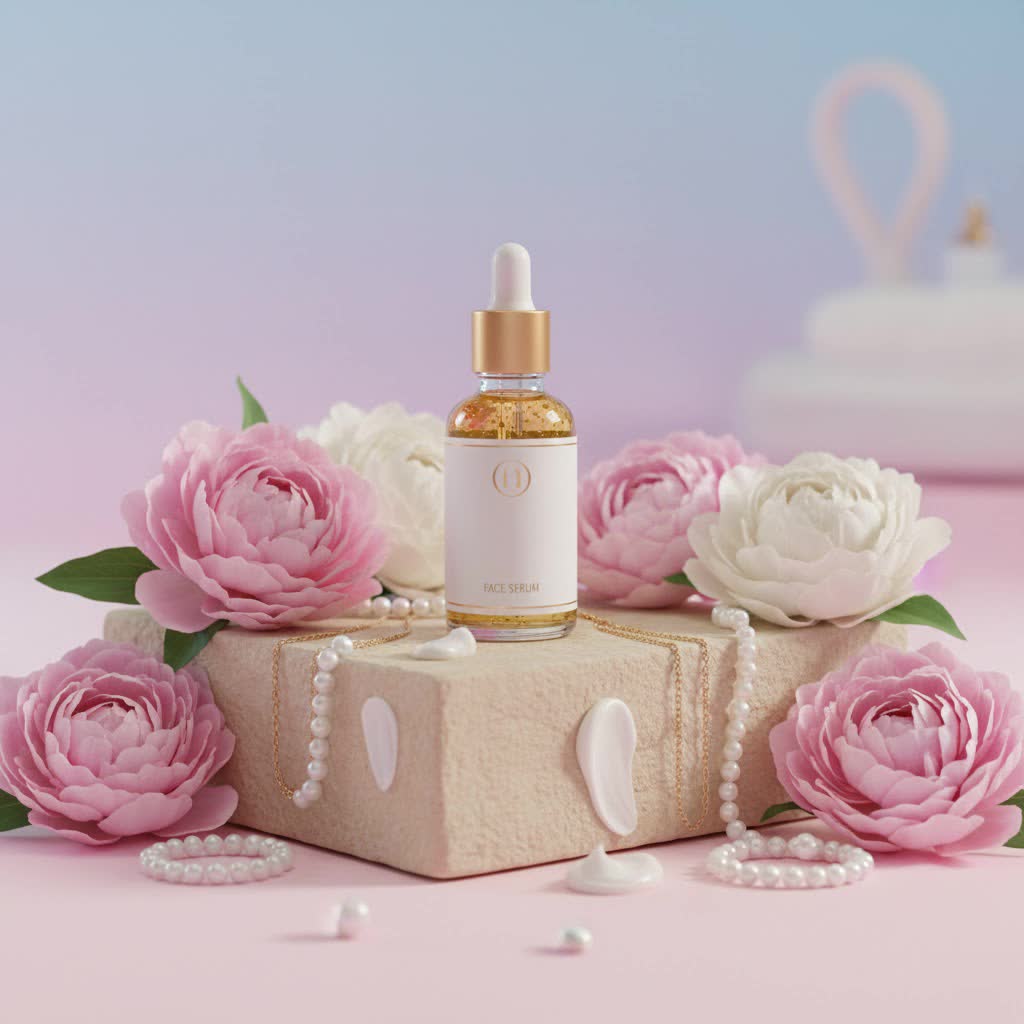
2. Face Serum: All You Need to Know
2.1. What is Face Serum?
|
Our Picks for the Best Face Serum in 2026
As an Amazon Associate I earn from qualifying purchases.
|
||
| Num | Product | Action |
|---|---|---|
| 1 | The Ordinary Hyaluronic Acid 2% + B5 (with Ceramides), Multi-Depth Hydration Serum for Plumper, Smoother Skin |

|
| 2 | Salmon DNA PPRN Serum, 5000ppm Salmon Egg DNA & 2000ppm Collagen, with Glutathione, Niacinamide & 6 Hyaluronic Acids, Korean Anti-Aging Face Serum for Wrinkles and Radiance, 1.5 fl oz, 30 Count |
|
| 3 | Vichy LiftActiv Vitamin C Serum For Face, Brightening Serum With Pure Vitamin C + Hyaluronic Acid + Vitamin E, Reduces Fine Lines, Smooths Skin Texture, Improves Radiance, Anti Aging |
|
| 4 | TruSkin Vitamin C Serum for Face – Anti Aging Face Serum with Hyaluronic Acid & Vitamin E – Brightening Formula for Improving Appearance of Dark Spots, Fine Lines & Wrinkles – All Skin Types, 1 fl oz |
|
| 5 | La Roche-Posay Hyalu B5 Pure Hyaluronic Acid Serum for Face, Vitamin B5 + Hyaluronic Acid + Madecassoside, Hydrating Serum Visibly Plumps Skin, Sensitive Skin Safe, Anti Aging, Oil-Free |
|
| 6 | Good Molecules Hyaluronic Acid Serum - 1% Hyaluronic Acid Non-greasy Ultra Hydrating Serum, Facial Moisturizer for Plumper Skin, Skin Care for Face |
|
| 7 | Dr Sebagh Platinum Gold Elixir Travel Size (0.17 fl oz) - Luxury Anti Aging Serum with 24K Gold & Platinum - Hydrating Facial Serum for Women & Men - Anti Wrinkle & Antioxidant Skin Care |
|
| 8 | medicube PDRN Pink Peptide Serum with Salmon DNA - Pink Glow Serum with Peptides & Niacinamide for Hydration & Firm-Looking Skin - Uneven Tone Care - Korean Skincare, 1.01 fl. Oz |
|
| 9 | medicube PDRN Pink Peptide Serum with Rose PDRN - Vegan Pink Glow Serum with Peptides & Niacinamide for Hydration & Firm-Looking Skin - Uneven Tone Care - Korean Skincare, 1.01 fl. Oz |
|
| 10 | The Ordinary Niacinamide 10% + Zinc 1%, Smoothing Serum for Blemish-Prone Skin |
|
At its core, a face serum is a lightweight, fast-absorbing liquid formulated with a high concentration of active ingredients designed to penetrate deeply into the skin. Unlike heavier creams or lotions, serums have smaller molecular structures, allowing them to deliver a powerful dose of beneficial compounds directly to target specific skin concerns. Think of it as a specialized treatment booster for your daily routine. While moisturizers primarily hydrate and seal the skin’s barrier, and essences prepare the skin for subsequent steps, serums act as concentrated elixirs to address issues ranging from dryness and dullness to fine lines and acne.
2.2. Common Ingredients in Face Serum
The efficacy of a face serum largely depends on its active ingredients. Understanding these key components is crucial for selecting the right serum for your skin’s needs:
-
Vitamin C: A powerful antioxidant, Vitamin C is celebrated for its ability to brighten skin tone, fade dark spots, and protect against environmental damage. It also supports collagen production, leading to firmer, more youthful-looking skin. Ideal for morning use, it offers additional protection against UV rays when paired with sunscreen.
-
Hyaluronic Acid: This humectant is a hydration hero, capable of holding up to 1,000 times its weight in water. It draws moisture from the environment into the skin, instantly plumping it, reducing the appearance of fine lines, and providing long-lasting hydration. It’s suitable for all skin types, especially those prone to dryness.
-
Retinol (Vitamin A): A dermatologist favorite, Retinol is renowned for its anti-aging properties. It stimulates cell turnover and collagen production, effectively minimizing wrinkles, fine lines, and hyperpigmentation. Due to its potency, it’s typically recommended for nighttime use and should be introduced gradually to avoid irritation.
-
Niacinamide (Vitamin B3): A versatile ingredient, Niacinamide addresses multiple skin concerns. It helps regulate oil production, reduce redness and blotchiness, improve skin barrier function, and minimize the appearance of pores and fine lines. It’s an excellent choice for oily, combination, and sensitive skin types.
-
Peptides: These short chains of amino acids are the building blocks of proteins like collagen and elastin. Serums containing peptides work to stimulate collagen production, which can improve skin firmness, elasticity, and reduce the appearance of wrinkles.
-
Glycolic Acid (AHA): An alpha hydroxy acid, Glycolic Acid gently exfoliates the skin, removing dead skin cells to reveal a brighter, smoother complexion. It can help improve skin texture, lighten sunspots and scars, and assist in controlling acne breakouts. Always use sunscreen when incorporating AHAs, as they can increase sun sensitivity.
-
Salicylic Acid (BHA): A beta hydroxy acid, Salicylic Acid is oil-soluble, allowing it to penetrate deep into pores to dissolve sebum and dead skin cells. This makes it highly effective for unclogging pores, reducing inflammation, and treating acne.
-
Ceramides & Pro-Vitamin B5 (Panthenol): Often found together in hydrating and barrier-repairing serums, Ceramides are lipids that form a protective barrier on the skin, locking in moisture and protecting against environmental aggressors. Pro-Vitamin B5 further enhances skin hydration and supports the skin’s natural barrier function.
2.3. Benefits of Using Face Serum
Integrating a face serum into your routine offers a multitude of benefits, targeting various skin concerns with precision:
- Improved Hydration and Plumpness: Ingredients like hyaluronic acid deliver deep, lasting hydration, making the skin feel softer, smoother, and visibly plumper.
- Reduced Appearance of Fine Lines and Wrinkles: Serums with retinol, peptides, and antioxidants can stimulate collagen production and improve skin elasticity, diminishing the visible signs of aging.
- Brighter, More Even Skin Tone: Vitamin C, niacinamide, and alpha hydroxy acids work to fade dark spots, hyperpigmentation, and overall dullness, revealing a more radiant complexion.
- Acne Reduction and Spot Fading: Salicylic acid, niacinamide, and certain plant extracts can help control oil production, unclog pores, reduce inflammation, and minimize post-acne marks.
- Smoothed Skin Texture: Exfoliating acids and ingredients that promote cell turnover can refine skin texture, making it feel smoother and appear more uniform.
- Strengthened Skin Barrier: Ceramides and niacinamide help fortify the skin’s natural protective barrier, reducing sensitivity and preventing moisture loss.
2.4. Popular Face Serum Types
The vast world of face serums can be categorized by their primary function and the concerns they address:
- Hydrating Serums: Focused on combating dryness and dehydration, typically featuring hyaluronic acid, ceramides, and glycerin.
- Brightening Serums: Designed to diminish dullness and hyperpigmentation with ingredients like Vitamin C, alpha arbutin, or licorice root extract.
- Anti-Aging Serums: Target fine lines, wrinkles, and loss of firmness using retinol, peptides, and potent antioxidants.
- Acne-Fighting Serums: Formulated to control breakouts, reduce inflammation, and clear pores with salicylic acid, niacinamide, and zinc.
- Barrier-Repairing Serums: Aim to strengthen compromised skin barriers, often containing ceramides, panthenol, and soothing extracts.
2.5. Comparative Table of Face Serums
| Ingredient Focus | Primary Benefit | Suitable Skin Type |
|---|---|---|
| Hyaluronic Acid | Intense Hydration, Plumping | All, especially Dry |
| Vitamin C | Brightening, Antioxidant Protection | All |
| Retinol | Anti-Aging, Skin Renewal | Mature, Acne-Prone (gradual) |
| Niacinamide | Oil Control, Barrier Support | Oily, Combination, Sensitive |
| Peptides | Firming, Elasticity | Mature, All |
| Glycolic/Salicylic Acid | Exfoliation, Acne Treatment | Dull, Acne-Prone |
| Ceramides & Pro-Vitamin B5 | Barrier Repair, Soothing | Dry, Sensitive, Damaged |
2.6. How to Choose the Right Face Serum for Your Skin Type
Selecting the perfect face serum involves understanding your unique skin type and concerns:
- Dry Skin: Look for serums rich in Hyaluronic Acid, Ceramides, Pro-Vitamin B5, and glycerin to lock in moisture and fortify your skin’s barrier.
- Oily Skin: Opt for serums containing Niacinamide, Salicylic Acid, or zinc to regulate sebum production, minimize pores, and prevent breakouts. Lightweight, non-comedogenic formulas are key.
- Combination Skin: This skin type often benefits from a combination approach. Consider a Hyaluronic Acid serum for drier areas and a Niacinamide serum for oilier zones, or a single product that balances both.
- Sensitive Skin: Prioritize serums with soothing and barrier-supporting ingredients like Niacinamide, Ceramides, or plant extracts. Always perform a patch test and introduce new products slowly.
- Mature Skin: Retinol, Peptides, Vitamin C, and Hyaluronic Acid are excellent choices to address fine lines, wrinkles, loss of elasticity, and dullness.
2.7. How to Use Face Serum Correctly
The order and method of application are crucial for maximizing your serum’s effectiveness:
- Cleanse: Begin with a gentle cleanser to remove dirt, oil, and makeup.
- Tone (Optional but Recommended): Apply a toner or facial mist to balance your skin’s pH and prepare it for better absorption. Serums absorb best on damp skin.
- Apply Serum: Dispense 2-5 drops (a pea-sized amount) of serum into your palms. Gently spread it between your hands, then pat it evenly onto your face and neck using small, delicate tapping motions. Avoid harsh rubbing.
- Wait: Allow the serum a minute or two to fully absorb before moving to the next step.
- Moisturize: Follow with your favorite moisturizer to seal in the serum’s active ingredients and provide an additional layer of hydration.
- Sunscreen (AM): Always finish your morning routine with broad-spectrum sunscreen.
Important Notes:
- Layering: If using multiple serums, apply them from thinnest to thickest consistency.
- Timing: Serums with Vitamin C are often best for daytime to leverage their antioxidant protection, while Retinol and exfoliating acids are typically reserved for nighttime due to potential photosensitivity.
- Patch Test: Before fully integrating a new serum, apply a small amount to an inconspicuous area (like behind the ear or on your inner arm) for 24-48 hours to check for any adverse reactions.
2.8. Where to Buy Reputable Face Serums
To ensure you’re getting authentic and effective products, always purchase face serums from reputable sources. This includes authorized brand websites, well-known beauty retailers, established pharmacies, and certified dermatological clinics. Be wary of significantly discounted products from unauthorized sellers, as they may be counterfeit or expired.
2.9. Important Considerations When Using Face Serum
While face serums offer incredible benefits, a few considerations can help you use them safely and effectively:
- Potential Side Effects: Potent ingredients like retinoids and AHAs can cause initial redness, dryness, or irritation. Starting with a lower concentration and gradually increasing usage can help your skin acclimate. Always listen to your skin and reduce frequency if irritation occurs.
- Storage: Most serums should be stored in a cool, dark place away from direct sunlight and extreme temperatures to preserve ingredient stability. Some, particularly those with Vitamin C, may benefit from refrigeration. Always check the product’s specific storage instructions.
- Patience is Key: Skincare results rarely happen overnight. Consistency is vital, and it can take several weeks or even months to see significant improvements from a new serum.
- Less is More: With concentrated formulas, a small amount of serum is usually sufficient. Over-applying won’t necessarily yield faster results and could lead to product waste or potential irritation.
2.10. Buying Guide: Your Secret to the Perfect Face Serum
Navigating the diverse world of face serums can be simple with a clear strategy:
- Identify Your Skin’s Needs: What are your primary concerns? Hydration, anti-aging, acne, brightening, or barrier repair?
- Research Key Ingredients: Match ingredients to your identified concerns.
- Read Reviews and Understand Formulations: Look for reviews from individuals with similar skin types and concerns. Pay attention to ingredient lists for transparency.
- Consider Your Budget: Serums come in a wide range of price points. Effective options are available across various budgets.
- Choose Reputable Brands: Opt for brands known for their research, ethical practices, and ingredient transparency.
Conclusion
An “ordinary” face serum, far from being basic, is a powerful and essential component for achieving extraordinary skin. By delivering concentrated active ingredients directly where they’re needed most, serums offer targeted solutions for a myriad of concerns, from deep hydration and anti-aging to brightening and acne control. Understanding your skin’s unique needs and choosing the right serum can transform your complexion, revealing a healthier, more radiant you. Embrace the power of these concentrated elixirs and embark on your journey to luminous skin. What specific skin concern will your next face serum help you conquer?
Frequently Asked Questions
What makes a face serum “ordinary”?
An “ordinary” face serum typically refers to a product that focuses on one or a few highly effective active ingredients in a straightforward, accessible formulation. These serums often prioritize ingredient transparency and deliver targeted benefits without complex, multi-layered formulas, making them a great starting point for many skincare routines.
Can I use multiple face serums at once?
Yes, you can layer multiple face serums, but it’s important to do so strategically. Apply serums from thinnest to thickest consistency. Avoid layering too many active ingredients, especially if you have sensitive skin, to prevent irritation. Often, one serum in the morning and another at night is an effective approach.
How long does it take to see results from a face serum?
The time it takes to see results from a face serum varies depending on the active ingredients and your specific skin concern. Some hydrating serums might show immediate plumping effects, while others, like those targeting hyperpigmentation or wrinkles, may take several weeks to a few months of consistent use to show noticeable improvements.
Is face serum really necessary in a skincare routine?
While not strictly “necessary” for everyone, a face serum can significantly enhance your skincare routine by providing concentrated treatment for specific concerns that cleansers and moisturizers alone might not fully address. It acts as a powerful booster to achieve more dramatic and targeted results for your skin goals.
What’s the difference between an essence and a serum?
Essences typically have a lighter, more watery consistency than serums and are designed to hydrate, balance, and prime the skin for better absorption of subsequent products. Serums, on the other hand, are more concentrated with active ingredients and specifically formulated to target particular skin concerns like aging, acne, or hyperpigmentation.
