Navigating the world of skincare when you have oily skin can feel like a constant battle against shine, breakouts, and enlarged pores. Many believe that oily skin needs minimal products, fearing that serums will only add to the greasiness. However, the right face serum can be a game-changer, acting as a targeted treatment to address specific concerns while balancing sebum production and enhancing overall skin health. This comprehensive guide will empower you to choose and use the perfect face serum, transforming your complexion from oily to beautifully balanced and radiant.
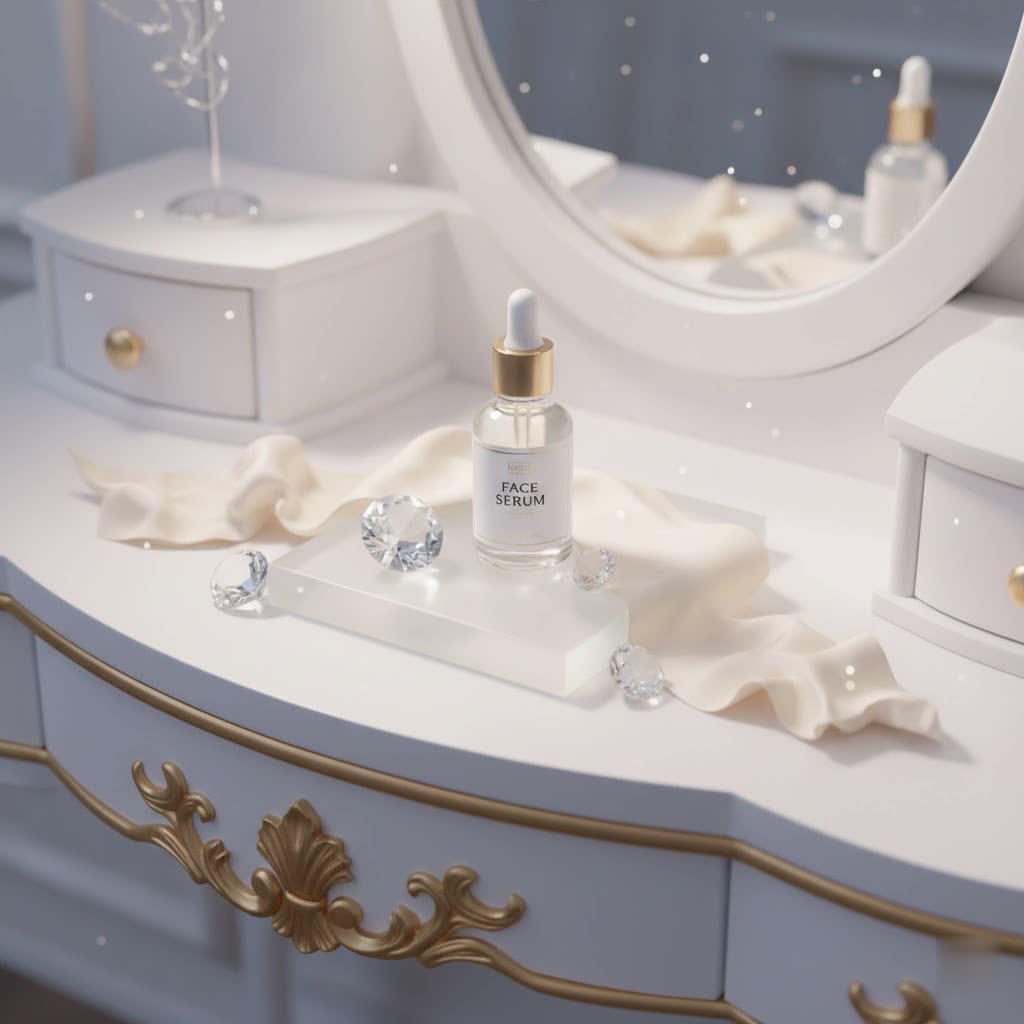
2. Face Serum: Everything You Need to Know
2.1. What is Face Serum?
|
Our Picks for the Best Face Serum in 2026
As an Amazon Associate I earn from qualifying purchases.
|
||
| Num | Product | Action |
|---|---|---|
| 1 | La Roche-Posay Hyalu B5 Pure Hyaluronic Acid Serum for Face, Vitamin B5 + Hyaluronic Acid + Madecassoside, Hydrating Serum Visibly Plumps Skin, Sensitive Skin Safe, Anti Aging, Oil-Free |

|
| 2 | medicube PDRN Pink Peptide Serum with Salmon DNA - Pink Glow Serum with Peptides & Niacinamide for Hydration & Firm-Looking Skin - Uneven Tone Care - Korean Skincare, 1.01 fl. Oz |
|
| 3 | The Ordinary Hyaluronic Acid 2% + B5 (with Ceramides), Multi-Depth Hydration Serum for Plumper, Smoother Skin |
|
| 4 | medicube PDRN Pink Peptide Serum with Rose PDRN - Vegan Pink Glow Serum with Peptides & Niacinamide for Hydration & Firm-Looking Skin - Uneven Tone Care - Korean Skincare, 1.01 fl. Oz |
|
| 5 | TruSkin Vitamin C Serum for Face – Anti Aging Face Serum with Hyaluronic Acid & Vitamin E – Brightening Formula for Improving Appearance of Dark Spots, Fine Lines & Wrinkles – All Skin Types, 1 fl oz |
|
| 6 | The Ordinary Niacinamide 10% + Zinc 1%, Smoothing Serum for Blemish-Prone Skin |
|
| 7 | Dr Sebagh Platinum Gold Elixir Travel Size (0.17 fl oz) - Luxury Anti Aging Serum with 24K Gold & Platinum - Hydrating Facial Serum for Women & Men - Anti Wrinkle & Antioxidant Skin Care |
|
| 8 | Vichy LiftActiv Vitamin C Serum For Face, Brightening Serum With Pure Vitamin C + Hyaluronic Acid + Vitamin E, Reduces Fine Lines, Smooths Skin Texture, Improves Radiance, Anti Aging |
|
| 9 | Good Molecules Hyaluronic Acid Serum - 1% Hyaluronic Acid Non-greasy Ultra Hydrating Serum, Facial Moisturizer for Plumper Skin, Skin Care for Face |
|
| 10 | Salmon DNA PPRN Serum, 5000ppm Salmon Egg DNA & 2000ppm Collagen, with Glutathione, Niacinamide & 6 Hyaluronic Acids, Korean Anti-Aging Face Serum for Wrinkles and Radiance, 1.5 fl oz, 30 Count |
|
A face serum is a lightweight, concentrated skincare product designed to deliver high concentrations of active ingredients directly to the skin. Unlike heavier creams or lotions, serums typically have a thin, fluid texture that absorbs quickly and penetrates deeper into the skin’s layers, allowing their potent ingredients to work more effectively on specific issues. They are formulated to target a variety of concerns, from aging and dullness to dehydration and, crucially for our discussion, excess oil and acne.
Serums differ significantly from other skincare products. While moisturizers primarily hydrate the skin and create a protective barrier, and essences provide a layer of hydration and prep the skin, serums are powerhouses of active ingredients. They are not meant to replace moisturizers but rather to complement them, providing specialized treatment before sealing everything in with a good moisturizer. This distinction is vital, as oily skin types often mistakenly skip serum or moisturizer, thinking it will reduce oiliness, when in fact, proper layering can lead to a more balanced complexion.
2.2. Common Ingredients in Face Serums for Oily Skin
Choosing the right ingredients is paramount for oily skin. Look for formulations that address oil production, refine pores, and combat common issues like acne without stripping the skin. Here are some of the most effective ingredients:
- Niacinamide (Vitamin B3): This multitasking ingredient is a favorite for oily skin. It effectively regulates sebum production, which helps reduce shine and the appearance of enlarged pores. Niacinamide also boasts anti-inflammatory properties, making it excellent for calming redness and irritation often associated with breakouts. It supports the skin barrier, leading to overall healthier skin.
- Vitamin C: A powerful antioxidant, Vitamin C helps brighten the skin, reduce hyperpigmentation (like post-acne marks), and protect against environmental damage. For oily skin, it can also improve skin texture and minimize the appearance of enlarged pores, contributing to a more even and radiant complexion.
- Retinol/Retinal (Vitamin A derivatives): Known for their anti-aging benefits, retinoids also work wonders for oily and acne-prone skin. They accelerate skin cell turnover, which helps to unclog pores, reduce blackheads and whiteheads, and prevent new breakouts. They also improve skin texture and can minimize the look of fine lines.
- Hyaluronic Acid: Even oily skin needs hydration. Hyaluronic acid is a humectant that draws moisture into the skin without adding oil. It helps to plump the skin and maintain its hydration levels, preventing the skin from overcompensating for dryness by producing more oil. Look for lightweight formulations.
- Salicylic Acid (BHA): This beta-hydroxy acid is oil-soluble, allowing it to penetrate into the pores and dissolve sebum and dead skin cells that can lead to clogs and breakouts. It’s an excellent exfoliating ingredient for those prone to acne, blackheads, and congested pores.
- Glycolic Acid (AHA): An alpha-hydroxy acid, glycolic acid works on the skin’s surface to exfoliate dead skin cells, improving texture and brightness. While less penetrating than salicylic acid for pore concerns, it helps keep the skin smooth and can aid in fading post-inflammatory hyperpigmentation.
- Peptides: These amino acid chains are the building blocks of proteins like collagen and elastin. For oily skin, peptides can support skin repair, improve elasticity, and provide lightweight hydration without contributing to oiliness. They are often found in anti-aging formulations suitable for all skin types.
- Zinc PCA: Often found alongside Niacinamide, Zinc PCA helps to further regulate sebum production and has antibacterial properties, making it beneficial for acne-prone oily skin.
- Green Tea Extract: A potent antioxidant and anti-inflammatory ingredient that can help soothe skin and reduce redness, while also offering some oil-regulating benefits.
2.3. Benefits of Using Face Serum for Oily Skin
Incorporating the right face serum into your routine offers a multitude of benefits for oily skin:
- Oil Control and Sebum Regulation: Serums formulated with ingredients like niacinamide or zinc can actively help to normalize sebum production, leading to less shine throughout the day and a more matte appearance.
- Minimizing Pore Appearance: By regulating oil and gently exfoliating, serums containing BHAs or niacinamide can help keep pores clear and less noticeable, giving the skin a smoother texture.
- Reducing Acne and Blemishes: Ingredients like salicylic acid, retinol, and azelaic acid target acne-causing bacteria, unclog pores, and reduce inflammation, leading to fewer breakouts and clearer skin.
- Brightening Skin Tone and Reducing Hyperpigmentation: Vitamin C and other brightening agents help fade dark spots and post-acne marks, resulting in a more even and radiant complexion.
- Deep Hydration Without Greasiness: Contrary to popular belief, oily skin still needs hydration. Serums with hyaluronic acid provide essential moisture without heavy oils, preventing the skin from feeling tight or overproducing oil to compensate for dehydration.
- Anti-aging Effects: Oily skin is often less prone to early signs of aging compared to dry skin types. However, anti-aging serums with retinol or peptides can still help diminish fine lines and wrinkles, maintaining skin firmness and a youthful appearance without exacerbating oiliness.
- Strengthening Skin Barrier: Ingredients like niacinamide and ceramides can help fortify the skin’s natural barrier, making it more resilient against environmental aggressors and less prone to irritation and sensitivity.
“Many people with oily skin make the mistake of stripping their skin dry, thinking it will reduce oil. In reality, this can trigger more oil production. A well-formulated serum provides targeted treatment and balances the skin without over-drying.” – Dr. Sarah Lee, Dermatologist specializing in blemish-prone skin.
2.4. Popular Types of Face Serums for Oily Skin
The market offers a wide array of serums, each designed to address specific concerns. For oily skin, common categories include:
- Oil-Controlling/Pore-Minimizing Serums: These are often packed with niacinamide, zinc, and sometimes salicylic acid to visibly reduce shine and minimize the appearance of enlarged pores. They aim to mattify the skin without making it feel tight.
- Acne-Fighting Serums: Featuring ingredients like salicylic acid, azelaic acid, or tea tree oil, these serums target active breakouts, blackheads, and whiteheads. They help to exfoliate, reduce inflammation, and prevent future blemishes.
- Brightening Serums: For those dealing with dullness or post-inflammatory hyperpigmentation from past breakouts, brightening serums with Vitamin C, alpha arbutin, or kojic acid are ideal for achieving a more even and radiant skin tone.
- Hydrating Serums (Lightweight): Essential for maintaining skin health, these serums provide lightweight moisture without clogging pores. Hyaluronic acid is the star ingredient here, ensuring adequate hydration even for the greasiest skin.
- Anti-aging Serums for Oily Skin: These formulations often contain retinol, peptides, or antioxidants in lightweight, non-comedogenic bases. They address concerns like fine lines, wrinkles, and loss of firmness, proving that oily skin can also benefit from anti-aging care.
2.5. Comparison Table: Top Face Serums for Oily Skin
Here’s a general overview of different serum types beneficial for oily skin, highlighting their key features:
| Feature | Oil Control Serum | Acne Serum | Brightening Serum | Hydrating Serum | Anti-Aging Serum |
|---|---|---|---|---|---|
| Key Ingredients | Niacinamide, Zinc PCA | Salicylic Acid, Azelaic Acid, Tea Tree Oil | Vitamin C, Alpha Arbutin, Licorice Root | Hyaluronic Acid, Glycerin, Ceramides | Retinol, Peptides, Bakuchiol |
| Main Benefit | Mattifies, Reduces Shine, Refines Pores | Clears Breakouts, Prevents Clogs, Reduces Redness | Evens Tone, Fades Dark Spots, Enhances Radiance | Deep Hydration, Plumps Skin, Supports Barrier | Smoothes Fine Lines, Firms, Improves Elasticity |
| Texture | Lightweight Gel/Fluid | Watery Liquid/Light Gel | Watery/Lightweight Emulsion | Gel/Serum | Light Emulsion/Fluid |
| Target Concern | Excess Shine, Enlarged Pores, Uneven Texture | Active Acne, Blackheads, Congestion, Redness | Post-Acne Marks, Dullness, Uneven Tone | Dehydration, Tightness, Flakiness | Fine Lines, Wrinkles, Loss of Firmness |
| Ideal For | All Oily Skin Types, especially those with visible pores | Acne-Prone Skin, Occasional Breakouts | Oily Skin with Discoloration, Dullness | All Oily Skin Types, including dehydrated | Mature Oily Skin, or Proactive Anti-Aging |
2.6. How to Choose the Right Face Serum for Your Oily Skin
Selecting the ideal serum requires understanding your skin’s unique needs. Follow these steps to make an informed choice:
- Identify Your Primary Concern: Is your main issue excessive shine, frequent breakouts, enlarged pores, or perhaps post-acne hyperpigmentation? Pinpointing your top concern will help you narrow down ingredient choices. For example, if acne is your primary issue, a salicylic acid or retinol serum might be best. If oil control is key, look for niacinamide.
- Look for Non-Comedogenic and Oil-Free Formulas: These terms indicate that the product is formulated to not clog pores, which is crucial for oily and acne-prone skin. Always check product labels for these descriptions.
- Understand Ingredient Concentrations: While certain ingredients are beneficial, their concentration matters. For instance, a 5-10% niacinamide is typically effective without being irritating, while higher concentrations of active exfoliants or retinoids should be introduced gradually.
- Patch Testing is Key: Before applying a new serum all over your face, perform a patch test on a small, inconspicuous area of skin (like behind the ear or on your jawline). This helps to check for any allergic reactions or irritation.
- Consider Other Skin Conditions: If you have sensitive oily skin, opt for gentler formulations and introduce active ingredients slowly. If your oily skin is also dehydrated, ensure your serum includes humectants like hyaluronic acid.
- Read Reviews and Consult Professionals: Look for reviews from individuals with similar skin types and concerns. Don’t hesitate to consult a dermatologist or a qualified skincare expert for personalized recommendations, especially if you have persistent skin issues.
2.7. How to Use Face Serum Correctly for Oily Skin
Proper application is essential to maximize the benefits of your serum and ensure it integrates seamlessly into your skincare routine.
- Cleanse: Start with a gentle cleanser to remove dirt, oil, and makeup.
- Tone (Optional but Recommended): Apply a toner to balance the skin’s pH and remove any remaining impurities.
- Apply Serum: Dispense 2-3 drops of serum onto your fingertips. Gently pat the serum onto your face and neck, pressing it into the skin rather than rubbing aggressively. Allow it to absorb fully for 60 seconds.
- Layering Multiple Serums: If using multiple serums (e.g., a brightening serum in the morning and an acne-fighting one at night), apply the thinnest consistency first, allowing each to absorb before the next. Vitamin C serums are often best in the morning for antioxidant protection, while retinoids and strong exfoliants are usually recommended for nighttime use.
- Moisturize: Follow with a lightweight, non-comedogenic moisturizer to lock in the serum’s active ingredients and provide overall hydration. This step is crucial for oily skin to prevent over-drying.
- Sun Protection (AM): In the morning, always finish with a broad-spectrum SPF 30 or higher, especially if using ingredients like retinoids or AHAs/BHAs, which can increase sun sensitivity.
2.8. Where to Buy Authentic Face Serums
To ensure you’re getting genuine, effective products, always purchase face serums from reputable sources:
- Authorized Retailers: Major beauty stores (like Sephora, Ulta), reputable pharmacies, and department stores are reliable options.
- Brand Websites: Buying directly from the brand’s official website guarantees authenticity.
- Licensed Estheticians or Dermatologists: These professionals often stock medical-grade skincare products and can provide expert guidance.
Avoid unofficial resellers or websites with unusually low prices, as these may carry counterfeit or expired products that can be harmful to your skin.
2.9. Important Considerations When Using Face Serums for Oily Skin
While serums are beneficial, a few precautions are necessary to ensure a positive experience:
- Potential Side Effects: Introducing new active ingredients, especially retinoids or strong exfoliants, can sometimes lead to a “purging” phase (temporary breakouts) or mild irritation (redness, dryness). Start slowly, using the product a few times a week and gradually increasing frequency as your skin adjusts. If severe irritation occurs, discontinue use and consult a professional.
- Storage Tips: Store serums in a cool, dark place, away from direct sunlight and extreme temperatures, to maintain the stability and efficacy of their active ingredients. Some ingredients, like Vitamin C, are particularly prone to degradation and may benefit from refrigeration.
- Patience and Consistency: Skincare results are rarely instant. Consistent use over several weeks to months is required to see significant improvements. Stick with your chosen serum for at least 4-6 weeks before evaluating its effectiveness.
- Do Not Over-Dry Your Skin: It’s a common misconception that oily skin needs to be dried out. Over-drying can strip your skin’s natural oils, prompting it to produce even more sebum in response. Aim for balance, not dryness.
2.10. Buying Guide: The Secret to Finding Your Perfect Oily Skin Serum
Finding the “best” face serum for oily skin is a personalized journey. Here’s your definitive guide:
- Understand Your Skin’s Needs: What are your primary concerns? Oil control, acne, pore size, texture, or brightening? Prioritize these to guide your ingredient search.
- Research Ingredients: Familiarize yourself with ingredients like niacinamide, salicylic acid, vitamin C, and hyaluronic acid, and how they benefit oily skin.
- Prioritize “Non-Comedogenic” and “Oil-Free”: These labels are your best friends in avoiding pore-clogging formulations.
- Read Reviews (from similar skin types): Look for feedback from others with oily or acne-prone skin to gauge product efficacy and potential side effects.
- Consider Your Budget: Serums come at various price points. Effective options exist across all ranges, so a higher price doesn’t always guarantee superior results.
- Patch Test: Always test new products on a small area first to prevent adverse reactions.
- Consult an Expert: When in doubt, a dermatologist can offer tailored advice and product recommendations.
“For oily skin, look for lightweight, non-comedogenic serums with ingredients that actively manage oil and address specific concerns like breakouts or enlarged pores. Hydration is also key; don’t skip it!” – Alex Tran, Skincare Chemist and product formulator.
Conclusion
Embracing face serums for oily skin is not about adding another layer of oil, but rather about providing targeted, concentrated care that leads to a healthier, more balanced complexion. By understanding the power of key ingredients like niacinamide, salicylic acid, and vitamin C, and integrating serums correctly into your routine, you can effectively manage shine, minimize pores, combat acne, and achieve that coveted radiant glow. Remember, consistency and patience are your best allies on this journey to balanced skin.
Are you ready to unlock the potential of face serums and transform your oily skin for good?
Frequently Asked Questions
Can I use a face serum every day if I have oily skin?
Yes, most face serums are designed for daily use, typically once or twice a day. However, if you are using highly active ingredients like strong retinoids or exfoliating acids, it’s often recommended to start a few times a week and gradually increase frequency to allow your skin to adjust and prevent irritation.
Should I use a moisturizer after a serum for oily skin?
Absolutely! While serums deliver potent ingredients, moisturizers create a protective barrier, lock in hydration, and prevent water loss. For oily skin, choose a lightweight, oil-free, non-comedogenic moisturizer to seal in the serum’s benefits without adding extra greasiness.
Are natural serums good for oily skin?
Natural serums can be beneficial, but “natural” doesn’t always mean better or safer. Look for natural ingredients like green tea extract, tea tree oil (in proper dilution), or witch hazel that are known for their oil-balancing or anti-inflammatory properties, but ensure the overall formulation is non-comedogenic and suits your skin’s needs.
Can serums make oily skin worse?
A serum that is too heavy, contains comedogenic ingredients (pore-clogging), or is not formulated for oily skin can potentially make it worse by exacerbating oiliness or causing breakouts. This is why choosing lightweight, non-comedogenic formulas with appropriate active ingredients is crucial for oily skin types.
What is the best time to apply face serum?
The best time depends on the specific serum. Generally, antioxidant serums (like Vitamin C) are great for morning use to protect against environmental damage. Serums with retinoids or strong exfoliating acids are usually best applied at night, as they can increase sun sensitivity and work with the skin’s natural repair process while you sleep.
