Navigating the vast world of skincare can be a delicate dance, especially when your skin reacts to seemingly everything. If you’ve ever felt the sting of a new product or battled persistent redness, you understand the unique challenges sensitive skin presents. Finding the perfect face serum isn’t just about targeting concerns; it’s about providing gentle, effective care that calms, nourishes, and protects without causing irritation. This comprehensive guide will equip you with the knowledge to confidently choose a face serum that respects your skin’s sensitivities, helping you achieve a healthier, radiant complexion.
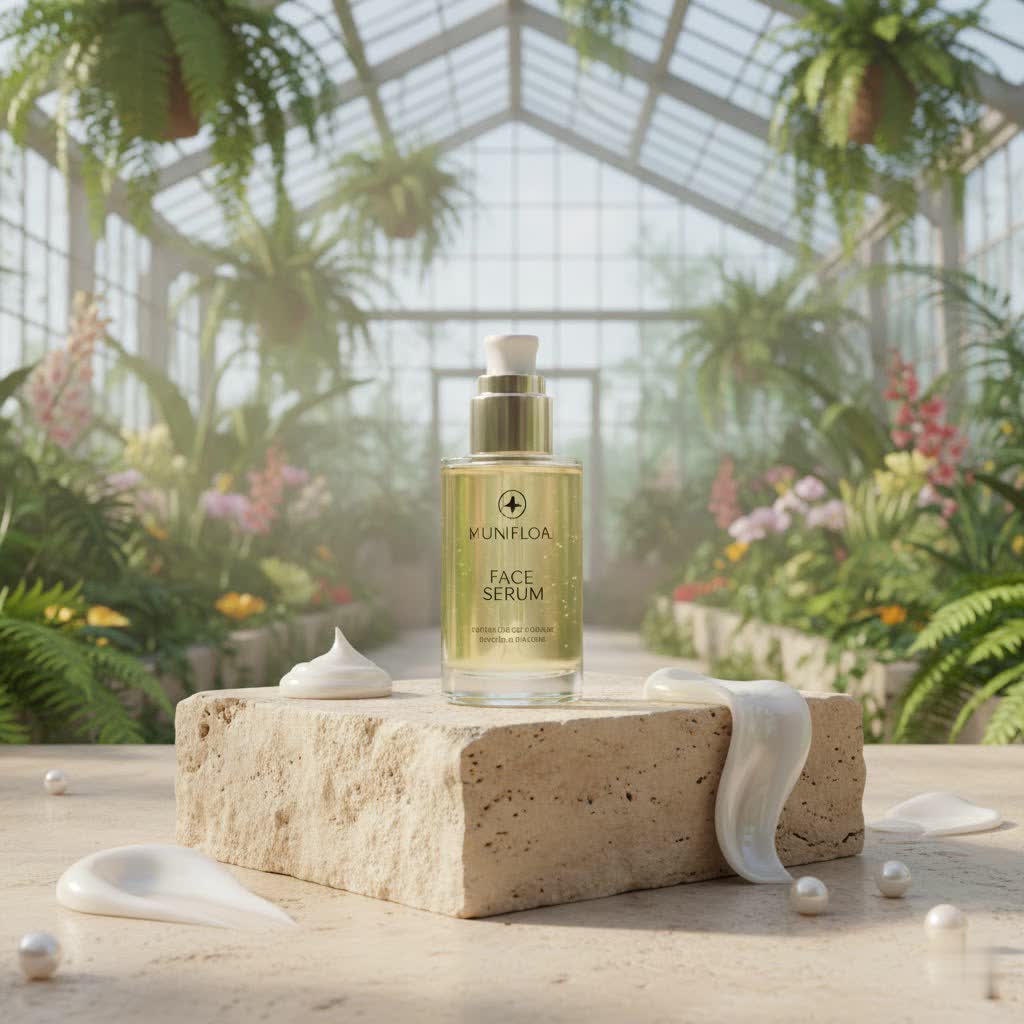
2. Face Serum: Everything You Need to Know
2.1. What is Face Serum?
|
Our Picks for the Best Face Serum in 2026
As an Amazon Associate I earn from qualifying purchases.
|
||
| Num | Product | Action |
|---|---|---|
| 1 | Good Molecules Hyaluronic Acid Serum - 1% Hyaluronic Acid Non-greasy Ultra Hydrating Serum, Facial Moisturizer for Plumper Skin, Skin Care for Face |

|
| 2 | Vichy LiftActiv Vitamin C Serum For Face, Brightening Serum With Pure Vitamin C + Hyaluronic Acid + Vitamin E, Reduces Fine Lines, Smooths Skin Texture, Improves Radiance, Anti Aging |
|
| 3 | medicube PDRN Pink Peptide Serum with Rose PDRN - Vegan Pink Glow Serum with Peptides & Niacinamide for Hydration & Firm-Looking Skin - Uneven Tone Care - Korean Skincare, 1.01 fl. Oz |
|
| 4 | The Ordinary Niacinamide 10% + Zinc 1%, Smoothing Serum for Blemish-Prone Skin |
|
| 5 | Dr Sebagh Platinum Gold Elixir Travel Size (0.17 fl oz) - Luxury Anti Aging Serum with 24K Gold & Platinum - Hydrating Facial Serum for Women & Men - Anti Wrinkle & Antioxidant Skin Care |
|
| 6 | The Ordinary Hyaluronic Acid 2% + B5 (with Ceramides), Multi-Depth Hydration Serum for Plumper, Smoother Skin |
|
| 7 | TruSkin Vitamin C Serum for Face – Anti Aging Face Serum with Hyaluronic Acid & Vitamin E – Brightening Formula for Improving Appearance of Dark Spots, Fine Lines & Wrinkles – All Skin Types, 1 fl oz |
|
| 8 | Salmon DNA PPRN Serum, 5000ppm Salmon Egg DNA & 2000ppm Collagen, with Glutathione, Niacinamide & 6 Hyaluronic Acids, Korean Anti-Aging Face Serum for Wrinkles and Radiance, 1.5 fl oz, 30 Count |
|
| 9 | medicube PDRN Pink Peptide Serum with Salmon DNA - Pink Glow Serum with Peptides & Niacinamide for Hydration & Firm-Looking Skin - Uneven Tone Care - Korean Skincare, 1.01 fl. Oz |
|
| 10 | La Roche-Posay Hyalu B5 Pure Hyaluronic Acid Serum for Face, Vitamin B5 + Hyaluronic Acid + Madecassoside, Hydrating Serum Visibly Plumps Skin, Sensitive Skin Safe, Anti Aging, Oil-Free |
|
A face serum is a lightweight, highly concentrated skincare product designed to deliver potent active ingredients directly into the skin. Unlike heavier creams or lotions, serums typically have a smaller molecular structure, allowing them to penetrate deeper and address specific concerns more effectively. Serums act as a targeted treatment, often layered beneath moisturizers, to boost your skincare routine.
The key difference between serums and other products lies in their concentration and texture. Essences are often lighter and used to prep the skin, while lotions and creams are thicker, focusing more on hydration and creating a protective barrier on the skin’s surface. Serums are the powerhouses, packed with a higher percentage of beneficial ingredients to deliver a more intensive impact on specific skin issues.
2.2. Common Ingredients in Face Serums
Understanding key ingredients is crucial, especially for sensitive skin. Here are some commonly found components and their benefits:
- Hyaluronic Acid (HA): A powerful humectant that draws moisture from the air into the skin, providing intense hydration. Ideal for all skin types, especially sensitive and dry skin, as it plumps and smooths without irritation.
- Niacinamide (Vitamin B3): Known for its soothing and barrier-strengthening properties. It helps reduce redness, inflammation, minimize pores, and improve overall skin tone, making it excellent for sensitive, acne-prone, and reactive skin.
- Ceramides: Lipids that are naturally found in the skin barrier. Serums with ceramides help to restore and strengthen the skin’s protective barrier, preventing moisture loss and defending against environmental irritants, crucial for sensitive and compromised skin.
- Squalane: A highly stable emollient that mimics the skin’s natural oils, offering excellent hydration without feeling greasy. It’s non-comedogenic and hypoallergenic, making it a safe bet for sensitive and acne-prone skin types.
- Centella Asiatica (Cica): A potent herbal extract renowned for its calming, healing, and anti-inflammatory properties. It’s fantastic for soothing irritated, red, and sensitive skin, promoting skin repair and regeneration.
- Glycerin: Another excellent humectant that attracts and retains moisture, keeping the skin hydrated and supple. It’s gentle, non-irritating, and suitable for all skin types, including the most sensitive.
2.3. Benefits of Using Face Serum
Integrating a face serum into your routine offers a multitude of benefits, particularly when chosen carefully for sensitive skin:
- Deep Hydration and Barrier Repair: Many serums are formulated with ingredients like hyaluronic acid and ceramides that penetrate deeply to hydrate the skin and fortify its natural protective barrier, reducing sensitivity and dryness.
- Calming and Soothing Irritation: Ingredients such as niacinamide, centella asiatica, and aloe vera help to significantly reduce redness, inflammation, and discomfort often associated with sensitive skin.
- Brightening and Evening Skin Tone: While gentle, some serums can still effectively tackle dullness and uneven tone without harsh exfoliation, thanks to ingredients like niacinamide or gentle vitamin C derivatives.
- Protection Against Environmental Damage: Antioxidant-rich serums can help sensitive skin defend against free radicals and pollutants, which can exacerbate irritation and accelerate aging.
- Targeted Treatment for Specific Concerns: Serums provide a concentrated dose of actives to address issues like fine lines, acne (with gentle formulations), or hyperpigmentation more effectively than general moisturizers.
2.4. Popular Types of Face Serums on the Market
The serum market is diverse, catering to various skin concerns. For sensitive skin, the focus often shifts to formulations that prioritize gentleness and barrier support.
- Hydrating Serums: These are often rich in hyaluronic acid, glycerin, or polyglutamic acid, designed to deeply moisturize and plump the skin. They are universally beneficial, especially for sensitive skin that tends towards dryness.
- Calming/Soothing Serums: Specifically formulated with ingredients like centella asiatica, niacinamide, or colloidal oatmeal to reduce redness, inflammation, and irritation, making them perfect for reactive skin.
- Barrier-Repair Serums: Packed with ceramides, cholesterol, and fatty acids, these serums aim to rebuild and strengthen the skin’s natural protective barrier, improving resilience against irritants.
- Anti-Aging Serums (Gentle Formulas): While powerful, sensitive skin needs anti-aging serums with ingredients like bakuchiol (a gentler retinol alternative), peptides, or antioxidants that provide benefits without causing irritation.
- Brightening Serums (Mild): Utilizing ingredients like niacinamide or milder forms of Vitamin C (e.g., magnesium ascorbyl phosphate) to improve radiance and even out skin tone without harsh exfoliants.
2.5. Comparison Table: Face Serums for Sensitive Skin Focus
| Type of Serum | Key Ingredients | Primary Benefits for Sensitive Skin | Best For | Texture/Feel |
|---|---|---|---|---|
| Hydrating Serum | Hyaluronic Acid, Glycerin, Squalane, Polyglutamic Acid | Deep hydration, plumping, reduces tightness | Dry, dehydrated, tight sensitive skin | Lightweight, often watery |
| Calming/Soothing Serum | Centella Asiatica (Cica), Niacinamide, Aloe Vera, Green Tea | Reduces redness, inflammation, irritation, repairs | Red, irritated, reactive, post-procedure skin | Gel-like, fluid |
| Barrier-Repair Serum | Ceramides, Fatty Acids, Cholesterol, Peptides | Strengthens skin barrier, prevents moisture loss | Compromised, very sensitive, eczema-prone skin | Slightly richer, milky |
| Gentle Anti-Aging Serum | Bakuchiol, Peptides, Antioxidants (Vitamin E) | Reduces fine lines, improves elasticity, protects | Mature, sensitive skin concerned with aging | Light lotion, oil-based |
| Mild Brightening Serum | Niacinamide, Licorice Root Extract, Alpha Arbutin | Evens skin tone, reduces dullness, improves radiance | Dull, hyperpigmented sensitive skin | Clear liquid, light gel |
2.6. How to Choose Face Serum for Sensitive Skin
Selecting the right serum for sensitive skin is paramount to avoid adverse reactions. Here’s a tailored guide:
- Prioritize Soothing and Barrier-Boosting Ingredients: Look for serums containing Hyaluronic Acid, Ceramides, Niacinamide, Squalane, Centella Asiatica (Cica), Green Tea, and Aloe Vera. These ingredients are known for their ability to hydrate, calm, and strengthen the skin’s natural barrier.
- Strictly Avoid Irritants: Steer clear of common sensitizers such as fragrance (synthetic and natural), essential oils, harsh alcohols (denatured alcohol), dyes, sulfates, and parabens. Always check the ingredient list meticulously.
- Opt for Hypoallergenic and Non-Comedogenic Formulas: These terms indicate that the product is less likely to cause allergic reactions or clog pores, which is beneficial for sensitive and often acne-prone sensitive skin.
- Patch Test Diligently: Before applying a new serum to your entire face, conduct a patch test. Apply a small amount to an inconspicuous area, like behind your ear or on your inner forearm, and wait 24-48 hours to check for any redness, itching, or irritation.
- Start with Simplicity: If your skin is highly reactive, begin with a serum that has a minimal number of ingredients. This reduces the chances of encountering an irritant and makes it easier to pinpoint any problematic components.
- Listen to Your Skin: Pay close attention to how your skin feels after application. Any stinging, burning, or increased redness is a clear sign to discontinue use.
2.7. How to Use Face Serum Correctly
Proper application ensures you get the most out of your serum without overwhelming sensitive skin.
- Cleanse: Begin with a gentle, pH-balanced cleanser to remove impurities without stripping your skin.
- Tone (Optional): If you use a toner, opt for an alcohol-free, hydrating formula. Pat it gently onto your skin.
- Apply Serum: Dispense 2-3 drops of serum onto your fingertips. Gently warm it between your hands, then press and pat it evenly over your face and neck. Avoid rubbing aggressively, as this can irritate sensitive skin.
- Allow Absorption: Give the serum a minute or two to fully absorb before moving to the next step.
- Moisturize: Follow with a rich, nourishing moisturizer to seal in the serum’s benefits and provide an extra layer of protection for sensitive skin.
- Sun Protection (Morning): In your morning routine, always finish with a broad-spectrum SPF 30 or higher.
- Pro Tip for Sensitive Skin: If using multiple serums, apply the thinnest consistency first, allowing each to absorb before layering the next. If your skin is very sensitive, consider using only one active serum at a time.
2.8. Where to Buy Reputable Face Serums
When purchasing face serums, especially for sensitive skin, authenticity and product integrity are key. To ensure you’re getting genuine products:
- Authorized Retailers: Shop directly from the brand’s official website or through their authorized online and physical retailers (e.g., reputable department stores, established beauty chains, pharmacies).
- Dermatologist’s Office: Many dermatologists carry professional-grade skincare lines that are often well-suited for sensitive skin and recommended by experts.
- Verify Reviews: Before purchasing from new online stores, check independent reviews and ensure they are a trusted source for skincare products.
- Avoid Unverified Third-Party Sellers: Be wary of unusually low prices or sellers on marketplaces that don’t clearly state their authorization from the brand, as counterfeit products can be harmful.
2.9. Important Considerations When Using Face Serum
Even with the right product, sensitive skin requires ongoing vigilance.
- Potential Side Effects: Even gentle ingredients can occasionally cause a reaction. Watch for increased redness, itching, burning, unusual breakouts, or dryness. If any of these occur, stop using the product immediately.
- Ingredient Sensitivities: What works for one person with sensitive skin might not work for another. Keep a record of ingredients that have caused reactions in the past.
- Product Layering: Introducing too many new products at once can overwhelm sensitive skin. Add new serums one at a time, allowing a few weeks between introductions to observe your skin’s response.
- Storage: Store serums in a cool, dark place away from direct sunlight and extreme temperatures to maintain their efficacy. Some active ingredients, like Vitamin C, are particularly prone to degradation. Always check the product packaging for specific storage instructions.
- Expiration Dates: Pay attention to the “period after opening” (PAO) symbol, which indicates how long the product is good for after it’s opened. Using expired products can lead to irritation and reduced effectiveness.
2.10. Buying Guide: Your Secret to Selecting the Perfect Face Serum
Choosing a face serum that caters to sensitive skin requires a thoughtful approach. Consider this comprehensive checklist:
- Identify Your Skin Type and Specific Needs: Beyond just “sensitive,” is your skin also dry, oily, acne-prone, or showing signs of aging? This will help narrow down the primary concern the serum should address gently.
- Scrutinize the Ingredient List: This is perhaps the most crucial step. Look for ingredients known to soothe and strengthen (Hyaluronic Acid, Ceramides, Niacinamide, Cica) and actively avoid common irritants (fragrance, essential oils, harsh alcohols).
- Read Reviews with a Critical Eye: Look for reviews from individuals who specifically mention having sensitive skin. Note any consistent feedback regarding irritation or positive calming effects.
- Research Reputable Brands Known for Sensitive Skin Formulations: Many brands specialize in or have dedicated lines for sensitive skin, often conducting rigorous testing to ensure tolerance.
- Consider Packaging: Serums housed in opaque, air-tight pump bottles or dark glass droppers help protect delicate active ingredients from light and air exposure, which can degrade them and make them less effective or more irritating over time.
- Evaluate Price vs. Value: While sensitive skin doesn’t always require the most expensive products, investing in well-formulated serums with high-quality, non-irritating ingredients can be worthwhile.
“For sensitive skin, less is often more. Focus on serums with a streamlined ingredient list, prioritizing those that strengthen the skin barrier and calm inflammation, rather than aggressively targeting concerns.” – Dr. Sarah Chen, Dermatologist specializing in sensitive skin
Conclusion
Finding the ideal face serum for sensitive skin is a journey of understanding your unique needs and choosing products that offer gentle yet effective care. By prioritizing formulations free from common irritants and rich in soothing, barrier-supporting ingredients, you can transform your skincare routine into a comforting ritual. Remember, the goal is not just to treat, but to nurture and protect, allowing your skin to thrive in its most comfortable and radiant state. What steps will you take today to embrace a serum that truly understands your sensitive skin?
Frequently Asked Questions
What ingredients should sensitive skin avoid in a face serum?
Sensitive skin should generally avoid fragrance (both synthetic and natural), essential oils, harsh alcohols (like ethanol or isopropyl alcohol), sulfates, parabens, and strong synthetic dyes. These can strip the skin’s natural oils and trigger irritation, redness, or allergic reactions.
Can I use a Vitamin C serum if I have sensitive skin?
Yes, but carefully. Look for Vitamin C serums with gentler forms like magnesium ascorbyl phosphate or ascorbyl palmitate, rather than pure L-ascorbic acid, which can be more potent. Always patch test and start with a lower concentration to see how your skin reacts.
How often should I use a face serum for sensitive skin?
Begin by using a new serum a few times a week, gradually increasing to once or twice daily if your skin tolerates it well. Listen to your skin’s signals; if any irritation occurs, reduce frequency or discontinue use.
Is patch testing really necessary for sensitive skin?
Absolutely. Patch testing is a critical step for sensitive skin to identify potential irritants before applying a product to your entire face. It can prevent widespread redness, itching, or breakouts, saving your skin from unnecessary stress.
What is the role of ceramides in serums for sensitive skin?
Ceramides are essential lipids that make up a significant portion of your skin barrier. In serums, they help replenish and strengthen this barrier, preventing moisture loss and protecting sensitive skin from environmental aggressors and irritants.
Can face serums help with sensitive skin redness?
Yes, many serums are specifically formulated to reduce redness. Look for ingredients like niacinamide, centella asiatica (cica), green tea extract, and aloe vera, which possess anti-inflammatory and soothing properties to calm irritated skin and diminish visible redness.
