Unlocking radiant, youthful skin doesn’t have to be a mystery. As an expert with over a decade of experience in skincare, particularly with serums, I’ve seen firsthand the transformative power of the right product. In the vast world of skincare, retinol serums stand out as a true powerhouse, lauded by dermatologists and beauty enthusiasts alike for their remarkable ability to rejuvenate the complexion. If you’re looking to diminish fine lines, smooth texture, or achieve a more even skin tone, understanding how to choose and use the best retinol serum for your face is paramount. This comprehensive guide is designed to cut through the noise, offering you clear, expert-backed advice to help you navigate the options and unlock your healthiest, most glowing skin.
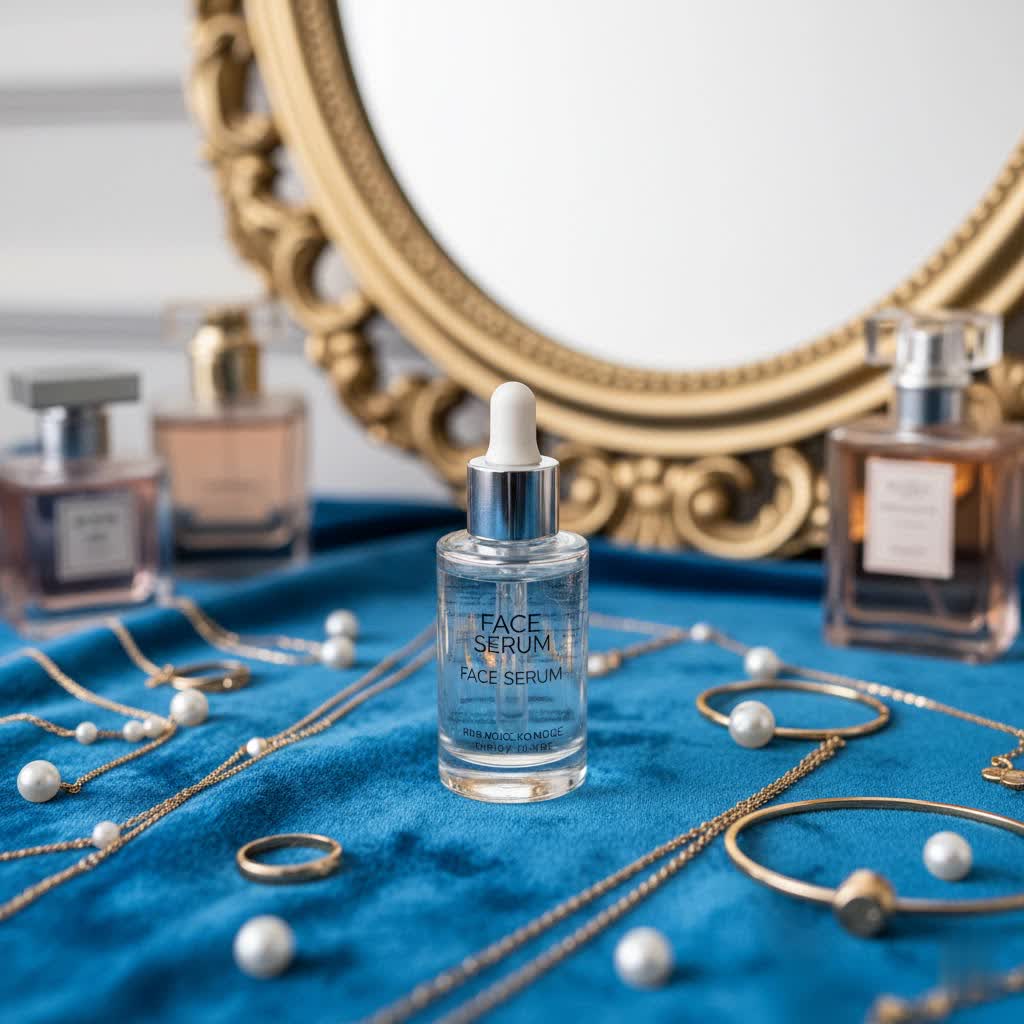
2. Face Serum: Everything You Need to Know
2.1. What is a Face Serum?
A face serum is a lightweight skincare product designed to deliver a high concentration of active ingredients to the skin. Unlike heavier creams or lotions, serums typically have a smaller molecular structure, allowing them to penetrate deeper into the skin’s layers to target specific concerns such as aging, hydration, or acne. They are an essential step in a comprehensive skincare routine, applied after cleansing and before moisturizing, to maximize the efficacy of your other products.
Serums differ from other skincare products in several key ways:
- Creams and Lotions: These are generally thicker and focus on providing a protective barrier and surface hydration. Serums, in contrast, are treatment-focused with concentrated active ingredients.
- Essences: Often used in K-beauty routines, essences are typically lighter than serums, offering a pre-treatment hydration boost and preparing the skin for subsequent steps.
- Oils: While some serums are oil-based, face oils are primarily designed to nourish, seal in moisture, and reinforce the skin barrier, often used as the final step in a routine.
|
Our Picks for the Best Face Serum in 2026
As an Amazon Associate I earn from qualifying purchases.
|
||
| Num | Product | Action |
|---|---|---|
| 1 | TruSkin Vitamin C Serum for Face – Anti Aging Face Serum with Hyaluronic Acid & Vitamin E – Brightening Formula for Improving Appearance of Dark Spots, Fine Lines & Wrinkles – All Skin Types, 1 fl oz |

|
| 2 | Vichy LiftActiv Vitamin C Serum For Face, Brightening Serum With Pure Vitamin C + Hyaluronic Acid + Vitamin E, Reduces Fine Lines, Smooths Skin Texture, Improves Radiance, Anti Aging |
|
| 3 | medicube PDRN Pink Peptide Serum with Rose PDRN - Vegan Pink Glow Serum with Peptides & Niacinamide for Hydration & Firm-Looking Skin - Uneven Tone Care - Korean Skincare, 1.01 fl. Oz |
|
| 4 | Salmon DNA PPRN Serum, 5000ppm Salmon Egg DNA & 2000ppm Collagen, with Glutathione, Niacinamide & 6 Hyaluronic Acids, Korean Anti-Aging Face Serum for Wrinkles and Radiance, 1.5 fl oz, 30 Count |
|
| 5 | La Roche-Posay Hyalu B5 Pure Hyaluronic Acid Serum for Face, Vitamin B5 + Hyaluronic Acid + Madecassoside, Hydrating Serum Visibly Plumps Skin, Sensitive Skin Safe, Anti Aging, Oil-Free |
|
| 6 | medicube PDRN Pink Peptide Serum with Salmon DNA - Pink Glow Serum with Peptides & Niacinamide for Hydration & Firm-Looking Skin - Uneven Tone Care - Korean Skincare, 1.01 fl. Oz |
|
| 7 | The Ordinary Hyaluronic Acid 2% + B5 (with Ceramides), Multi-Depth Hydration Serum for Plumper, Smoother Skin |
|
| 8 | The Ordinary Niacinamide 10% + Zinc 1%, Smoothing Serum for Blemish-Prone Skin |
|
| 9 | Dr Sebagh Platinum Gold Elixir Travel Size (0.17 fl oz) - Luxury Anti Aging Serum with 24K Gold & Platinum - Hydrating Facial Serum for Women & Men - Anti Wrinkle & Antioxidant Skin Care |
|
| 10 | Good Molecules Hyaluronic Acid Serum - 1% Hyaluronic Acid Non-greasy Ultra Hydrating Serum, Facial Moisturizer for Plumper Skin, Skin Care for Face |
|
2.2. Common Ingredients in Face Serums
Face serums are formulated with a variety of potent ingredients, each offering unique benefits to the skin. Understanding these components is key to selecting the right serum for your needs.
Here are some frequently found active ingredients:
- Vitamin C: A powerful antioxidant that brightens skin, reduces hyperpigmentation, and protects against environmental damage. It’s suitable for most skin types, particularly those concerned with dullness and uneven tone.
- Hyaluronic Acid (HA): A humectant capable of holding up to 1,000 times its weight in water, providing intense hydration and plumping the skin. HA is excellent for all skin types, especially dry or dehydrated skin.
- Retinol (Vitamin A derivative): The star ingredient for anti-aging, acne treatment, and improving skin texture. Retinol works by accelerating skin cell turnover and stimulating collagen production. It’s effective for mature, acne-prone, and unevenly textured skin, though sensitive skin types should start with lower concentrations.
- Niacinamide (Vitamin B3): A versatile ingredient that minimizes pores, regulates oil production, reduces redness and inflammation, and strengthens the skin barrier. It’s beneficial for almost all skin types, including oily, acne-prone, and sensitive skin.
- Peptides: Chains of amino acids that signal the skin to produce more collagen and elastin, leading to firmer, more youthful-looking skin. Peptides are great for anti-aging concerns and are generally well-tolerated by all skin types.
- Alpha Hydroxy Acids (AHAs – e.g., Glycolic Acid, Lactic Acid): Exfoliate the skin’s surface, improving brightness, texture, and reducing the appearance of fine lines. Best for dull, sun-damaged, or mature skin.
- Beta Hydroxy Acids (BHAs – e.g., Salicylic Acid): Oil-soluble exfoliants that penetrate pores to dissolve sebum and dead skin cells, making them ideal for oily and acne-prone skin.
2.3. Benefits of Using Face Serum
Incorporating a face serum into your daily routine can yield significant improvements in skin health and appearance. The targeted nature of serums allows for effective treatment of various concerns.
Key benefits include:
- Improved Wrinkles and Skin Aging: Retinol and peptides stimulate collagen production, significantly reducing the appearance of fine lines and wrinkles for a smoother, more youthful complexion.
- Brighter and More Even Skin Tone: Ingredients like Vitamin C, Niacinamide, and certain retinoids can fade dark spots, hyperpigmentation, and post-acne marks, leading to a more radiant and uniform skin tone.
- Deep Hydration and Skin Repair: Hyaluronic acid and ceramides draw moisture into the skin and help fortify the skin barrier, leading to plump, supple skin and reduced water loss.
- Reduced Acne and Blemishes: Retinol accelerates cell turnover, preventing clogged pores, while niacinamide and salicylic acid reduce inflammation and control oil, making serums effective in managing breakouts and improving skin clarity.
2.4. Types of Face Serums on the Market
The market offers a diverse range of face serums, each tailored to address specific skin concerns with specialized formulations.
- Hydrating Serums: Primarily feature ingredients like hyaluronic acid and glycerin to deeply moisturize and plump the skin, ideal for dry or dehydrated complexions.
- Brightening Serums: Packed with Vitamin C, niacinamide, and alpha arbutin to target hyperpigmentation, dark spots, and dullness, revealing a more luminous skin tone.
- Anti-Aging Serums: Often contain retinol, peptides, and antioxidants to combat fine lines, wrinkles, and loss of firmness by promoting collagen production and cell renewal.
- Acne Treatment Serums: Formulated with ingredients such as salicylic acid, niacinamide, and gentle retinoids to unclog pores, reduce inflammation, and minimize breakouts.
- Barrier Repair Serums: Focus on ceramides, fatty acids, and soothing botanicals to strengthen the skin’s natural protective barrier, especially beneficial for sensitive or compromised skin.
2.5. Table Comparing Various Face Serums
| Serum Type | Key Ingredients | Main Benefits | Best For | Example Product Types |
|---|---|---|---|---|
| Hydrating Serum | Hyaluronic Acid, Glycerin, Ceramides | Deep hydration, plumps skin, strengthens barrier | Dry, dehydrated, sensitive skin | Gel-like, lightweight textures |
| Brightening Serum | Vitamin C, Niacinamide, Alpha Arbutin | Reduces dark spots, evens tone, enhances radiance | Dull, hyperpigmented, uneven skin tone | Watery or light cream textures |
| Anti-Aging Serum | Retinol, Peptides, Antioxidants | Reduces wrinkles, firms skin, boosts collagen | Mature skin, fine lines, loss of firmness | Creamy, sometimes oil-based serums |
| Acne Serum | Salicylic Acid, Niacinamide, Tea Tree Oil, Zinc | Unclogs pores, reduces breakouts, controls oil | Oily, acne-prone skin | Clear gels, lightweight liquids |
| Calming Serum | Centella Asiatica, Allantoin, Chamomile, Green Tea | Reduces redness, soothes irritation, strengthens barrier | Sensitive, reactive, easily irritated skin | Milky, soothing liquid textures |
2.6. How to Choose the Right Face Serum for Your Skin Type
Selecting the ideal face serum involves understanding your unique skin type and its specific needs. A tailored approach ensures maximum effectiveness and avoids potential irritation.
- Dry Skin: Look for serums rich in hyaluronic acid, ceramides, and nourishing oils to replenish moisture and strengthen the skin barrier. Cream-based retinol serums with lower concentrations (0.1-0.25%) are often a good choice to prevent further dryness while still benefiting from anti-aging properties.
- Oily Skin: Opt for lightweight, non-comedogenic serums with ingredients like niacinamide, salicylic acid, or a moderate retinol concentration (0.3-0.5%). These help control oil production, minimize pores, and address breakouts without feeling heavy or greasy. Gel or water-based formulas are usually preferred.
- Combination Skin: This skin type benefits from balanced formulas. You might consider niacinamide for oil control in the T-zone and hyaluronic acid for hydration in drier areas. A gentle retinol serum can be used to address overall texture and anti-aging concerns.
- Sensitive Skin: Prioritize serums with lower concentrations of active ingredients (e.g., 0.03% retinal, 0.1-0.25% retinol) and those containing soothing components like ceramides, peptides, bisabolol, or centella asiatica. “Encapsulated retinol” formulas are excellent as they provide a slow, controlled release, minimizing irritation. Always patch test new products.
- Acne-Prone Skin: Serums with salicylic acid, niacinamide, and retinoids (like 0.3% retinol or retinaldehyde) are highly effective. Retinol works by increasing cell turnover to prevent clogged pores and reduce acne marks. Choose lightweight serums to avoid exacerbating breakouts.
- Mature Skin: Serums with higher concentrations of retinol (up to 1%), peptides, and antioxidants like Vitamin C are ideal to target fine lines, wrinkles, loss of firmness, and hyperpigmentation.
2.7. How to Use Face Serum Correctly
To maximize the benefits of your face serum, proper application within your skincare routine is crucial. Consistency and correct technique ensure active ingredients penetrate effectively.
Here are the steps for proper serum application:
- Cleanse: Start with a clean face. Gently wash your face with a mild cleanser to remove dirt, oil, and makeup.
- Tone (Optional): If you use a toner, apply it after cleansing to balance your skin’s pH and prepare it for better absorption of subsequent products.
- Apply Serum: Dispense a pea-sized amount of serum onto your fingertips. Gently pat or press the serum onto your face and neck, avoiding harsh rubbing. If using a retinol serum, avoid the delicate eye area unless it’s an eye-specific retinol product.
- Allow Absorption: Wait a minute or two for the serum to fully absorb into your skin before moving to the next step.
- Moisturize: Follow with your regular moisturizer to lock in the serum’s active ingredients and provide additional hydration and barrier support.
- Sunscreen (Daytime): If using a serum in the morning, always finish your routine with a broad-spectrum sunscreen of SPF 30 or higher, as many active ingredients can increase sun sensitivity.
Important Notes for Retinol Serums:
- Nighttime Use: Retinol is best applied in the evening as it can break down in sunlight and make your skin more sensitive to UV radiation.
- Start Slow: If you’re new to retinol, begin by applying it once or twice a week, gradually increasing frequency as your skin builds tolerance.
- “Sandwich Method”: For sensitive skin or beginners, apply a thin layer of moisturizer, then your retinol serum, and finish with another layer of moisturizer to buffer irritation.
- Pea-Sized Amount: A small amount is effective; more does not mean faster results and can increase irritation.
2.8. Where to Buy Reputable Face Serums?
Ensuring you purchase authentic and high-quality face serums is essential for safety and efficacy. Stick to trusted retailers to avoid counterfeit products.
Here are reliable places to buy genuine face serums:
- Authorized Retailers: Major beauty stores like Sephora, Ulta Beauty, Nordstrom, and Dermstore are authorized sellers of a wide range of reputable brands.
- Brand Websites: Purchasing directly from the official website of the skincare brand guarantees authenticity and access to the latest products and promotions.
- Dermatologist Offices: Many dermatologists stock medical-grade skincare brands, offering expert guidance on selection.
- Reputable Pharmacies/Drugstores: For more affordable options, major drugstores like CVS, Walgreens, and Target often carry well-regarded drugstore brands that are frequently recommended by dermatologists. Look for specific lines known for quality and scientific backing, such as CeraVe, La Roche-Posay, and RoC.
- Online Marketplaces with Caution: While Amazon can offer competitive prices, always ensure you are buying from the official brand store or an authorized reseller to avoid potential fakes. Check seller ratings and reviews carefully.
2.9. Important Considerations When Using Face Serums
While face serums offer numerous benefits, it’s important to be aware of potential side effects and proper care to ensure a positive experience.
- Potential Side Effects:
- Irritation, Redness, Dryness, Peeling: Especially common with potent ingredients like retinoids, particularly when first introducing them. This is often referred to as “retinization” or “purging.” Start with low concentrations and gradually increase use to minimize these effects.
- Sun Sensitivity: Many active ingredients, especially retinoids and AHAs, can make your skin more vulnerable to sun damage. Consistent daily use of broad-spectrum SPF 30+ sunscreen is non-negotiable.
- Allergic Reactions: Though rare, some individuals may experience itching, swelling, or hives. Discontinue use immediately if this occurs.
- How to Store Serums:
- Cool, Dark Place: Store serums away from direct sunlight and extreme temperatures, as light and heat can degrade active ingredients (especially Vitamin C and Retinol).
- Airtight Packaging: Opt for serums in opaque, airtight bottles or pump dispensers to prevent exposure to air, which can cause oxidation and reduce potency.
- Refrigeration (for some): Certain delicate serums, particularly those with Vitamin C, may benefit from refrigeration to extend their shelf life, though this is not always necessary or recommended for all serums. Check product instructions.
2.10. Buying Guide: Secrets to Choosing the Perfect Face Serum
Navigating the vast array of face serums can be daunting, but with a strategic approach, you can find the ideal product for your skincare goals.
- Identify Your Skin Type and Concerns: Before looking at products, clearly define what your skin needs. Are you battling acne, fine lines, dryness, or hyperpigmentation? Your primary concerns will guide your ingredient choices.
- Research Key Ingredients and Their Benefits: Understand which active ingredients target your specific concerns. For example, retinol for anti-aging and acne, hyaluronic acid for hydration, or Vitamin C for brightening. Be aware of different forms of retinoids (retinol, retinal, retinyl palmitate) and their potencies.
- Read Reviews and Compare Products: Look for reviews from individuals with similar skin types and concerns. Pay attention to feedback on texture, absorption, efficacy, and any reported irritation. Compare ingredients, concentrations, and price points across different brands.
- Prioritize Reputable Brands and Formulations: Choose brands known for transparent ingredient lists, scientific research, and stable formulations. Consider “encapsulated retinol” for a gentler release, especially if you have sensitive skin.
- Start with Lower Concentrations (Especially for Retinol): When introducing potent ingredients like retinol, always begin with the lowest available concentration (e.g., 0.1-0.25%) and gradually increase strength as your skin adapts. This minimizes irritation and helps build tolerance.
- Check for Complementary Ingredients: Look for serums that combine active ingredients with soothing and hydrating components like ceramides, niacinamide, or hyaluronic acid to support the skin barrier and counteract potential dryness.
- Consider Packaging: Opaque, air-tight packaging (pumps or dropper bottles that are not clear) helps protect sensitive ingredients like retinol and Vitamin C from degradation due to light and air exposure.
“The most effective skincare routine often boils down to consistency and understanding that ‘stronger’ isn’t always ‘better.’ It’s about finding the right balance of active ingredients that your skin can comfortably tolerate, building up gradually, and always, always protecting your skin with SPF.” – Dr. Marisa Garshick, Board-Certified Dermatologist.
Conclusion
The journey to healthier, more vibrant skin is an ongoing one, and incorporating the right face serum, particularly a potent ingredient like retinol, can be a game-changer. By understanding the science behind these powerful formulations, identifying your specific skin needs, and adopting a disciplined application routine, you can effectively address concerns from fine lines and uneven texture to acne and hyperpigmentation. Remember to start slow, prioritize sun protection, and choose products from reputable sources. With consistency and care, you’ll be well on your way to achieving that healthy, radiant complexion you desire. What steps will you take today to transform your skincare routine?
Frequently Asked Questions
How long does it take to see results from a retinol serum?
It typically takes 2 to 3 weeks to notice initial improvements in skin texture and appearance with regular retinol use. However, more significant results, such as reduced fine lines or fading dark spots, may take 6 to 8 weeks or even longer to become visibly apparent, depending on the product’s concentration and your skin’s response.
Can I use a retinol serum every night?
If you’re new to retinol, it’s best to start with application once or twice a week and gradually increase the frequency. As your skin builds tolerance and experiences no significant irritation, you can slowly work up to using it every other night, and eventually, every night if your skin tolerates it well.
What ingredients should I avoid mixing with retinol?
When starting retinol, it’s generally advised to avoid mixing it with other strong active ingredients like AHAs (glycolic acid, lactic acid) or BHAs (salicylic acid) in the same routine, especially initially, to prevent excessive irritation. Always use sunscreen daily when using retinol.
Is a higher percentage of retinol always better?
Not necessarily. While higher concentrations of retinol can deliver quicker and more dramatic results, they also carry a greater risk of irritation, redness, and peeling, especially for beginners or those with sensitive skin. The “best” concentration is often the highest one your skin can comfortably tolerate without adverse reactions.
Can pregnant or breastfeeding individuals use retinol serum?
No, it is generally recommended that pregnant or breastfeeding individuals avoid using retinol and other retinoids due to potential risks to the baby. Consult your doctor or dermatologist for safe alternatives, such as bakuchiol, which offers similar benefits without the same concerns.
