The quest for a flawless, glowing complexion often feels like an endless journey through countless skincare products. Yet, there’s one potent elixir that stands out as a true game-changer: the face serum. These concentrated formulas are designed to deliver a powerful punch of active ingredients directly to your skin, addressing specific concerns with remarkable efficacy. If you’re ready to elevate your skincare routine and unveil healthier, more vibrant skin, understanding and choosing the right face serum is your essential first step. This guide will walk you through everything you need to know about face serums, from their core benefits and key ingredients to a curated list of the top 10 best options available today, ensuring you find the perfect match for your unique skin needs.
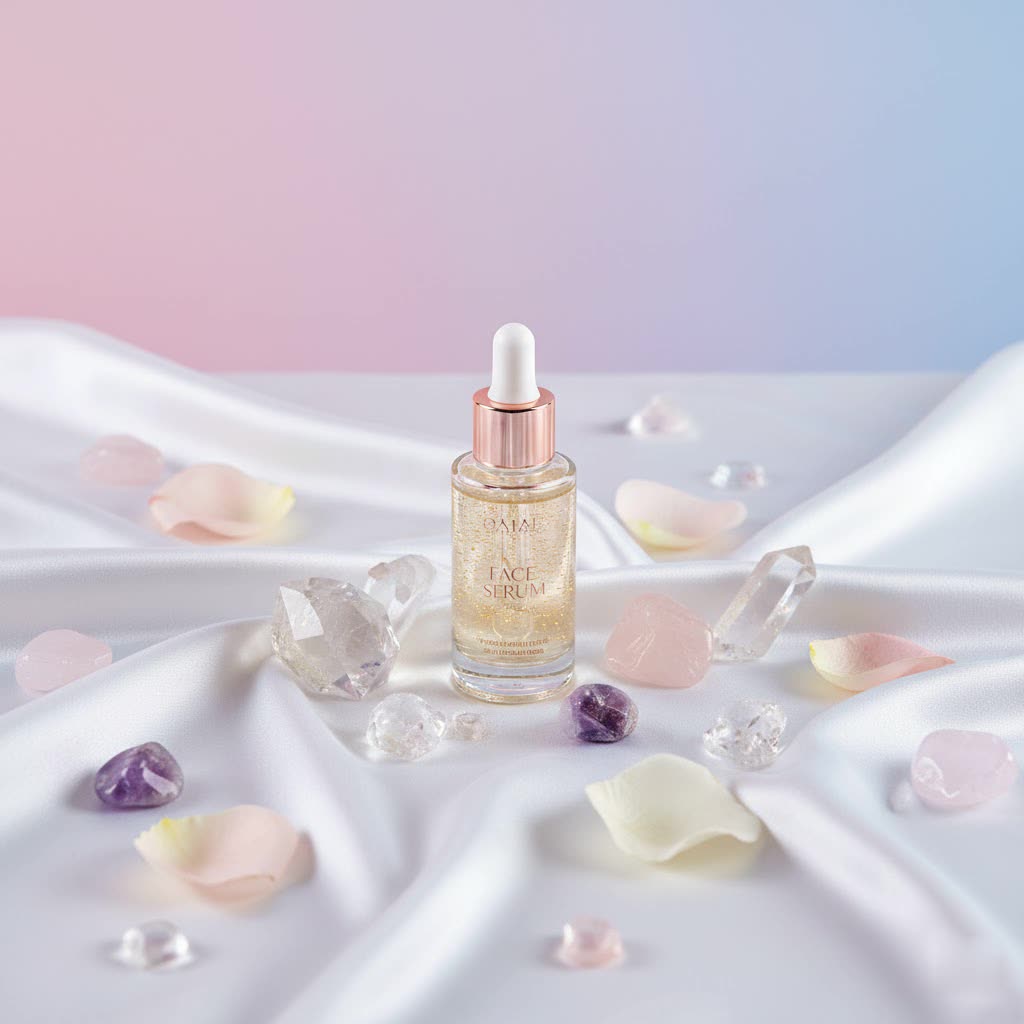
2. Face Serum: All You Need to Know
2.1. What is Face Serum?
|
Our Picks for the Best Face Serum in 2026
As an Amazon Associate I earn from qualifying purchases.
|
||
| Num | Product | Action |
|---|---|---|
| 1 | medicube PDRN Pink Peptide Serum with Salmon DNA - Pink Glow Serum with Peptides & Niacinamide for Hydration & Firm-Looking Skin - Uneven Tone Care - Korean Skincare, 1.01 fl. Oz |

|
| 2 | The Ordinary Niacinamide 10% + Zinc 1%, Smoothing Serum for Blemish-Prone Skin |
|
| 3 | Vichy LiftActiv Vitamin C Serum For Face, Brightening Serum With Pure Vitamin C + Hyaluronic Acid + Vitamin E, Reduces Fine Lines, Smooths Skin Texture, Improves Radiance, Anti Aging |
|
| 4 | The Ordinary Hyaluronic Acid 2% + B5 (with Ceramides), Multi-Depth Hydration Serum for Plumper, Smoother Skin |
|
| 5 | La Roche-Posay Hyalu B5 Pure Hyaluronic Acid Serum for Face, Vitamin B5 + Hyaluronic Acid + Madecassoside, Hydrating Serum Visibly Plumps Skin, Sensitive Skin Safe, Anti Aging, Oil-Free |
|
| 6 | medicube PDRN Pink Peptide Serum with Rose PDRN - Vegan Pink Glow Serum with Peptides & Niacinamide for Hydration & Firm-Looking Skin - Uneven Tone Care - Korean Skincare, 1.01 fl. Oz |
|
| 7 | Dr Sebagh Platinum Gold Elixir Travel Size (0.17 fl oz) - Luxury Anti Aging Serum with 24K Gold & Platinum - Hydrating Facial Serum for Women & Men - Anti Wrinkle & Antioxidant Skin Care |
|
| 8 | TruSkin Vitamin C Serum for Face – Anti Aging Face Serum with Hyaluronic Acid & Vitamin E – Brightening Formula for Improving Appearance of Dark Spots, Fine Lines & Wrinkles – All Skin Types, 1 fl oz |
|
| 9 | Salmon DNA PPRN Serum, 5000ppm Salmon Egg DNA & 2000ppm Collagen, with Glutathione, Niacinamide & 6 Hyaluronic Acids, Korean Anti-Aging Face Serum for Wrinkles and Radiance, 1.5 fl oz, 30 Count |
|
| 10 | Good Molecules Hyaluronic Acid Serum - 1% Hyaluronic Acid Non-greasy Ultra Hydrating Serum, Facial Moisturizer for Plumper Skin, Skin Care for Face |
|
A face serum is a lightweight, highly concentrated skincare product packed with active ingredients that penetrate deeper into the skin than traditional moisturizers. Unlike creams or lotions, serums are formulated with smaller molecules, allowing them to deliver potent doses of beneficial compounds directly to target specific skin concerns. Think of them as targeted treatments designed to address issues like fine lines, dark spots, dehydration, or acne with precision. They absorb quickly, leaving a smooth, often non-greasy finish, making them ideal for layering under other skincare products.
The primary distinction between serums and other skincare staples lies in their concentration and texture. While moisturizers primarily hydrate and seal in moisture, and essences prepare the skin for further treatment, serums are powerhouses of active ingredients. They are typically applied after cleansing and toning, but before heavier creams, allowing their potent formulas to work unhindered. This unique position in the skincare routine maximizes their ability to deliver transformative results, making them an indispensable component for many.
2.2. Common Face Serum Ingredients and Their Benefits
The effectiveness of a face serum largely hinges on its active ingredients, each offering distinct benefits for various skin concerns. Understanding these power players is key to selecting the right product.
- Vitamin C: A celebrated antioxidant, Vitamin C is renowned for its brightening properties, helping to fade dark spots, even out skin tone, and protect against environmental damage. It also stimulates collagen production, contributing to firmer, more youthful-looking skin. Serums often feature forms like L-ascorbic acid or more stable derivatives such as 3-0 ethyl ascorbic acid.
- Hyaluronic Acid (HA): This powerful humectant draws moisture from the environment into the skin, providing intense hydration and a plump, dewy appearance. Many modern HA serums incorporate multiple molecular weights to ensure hydration at various depths of the skin, offering both immediate and sustained moisture.
- Retinol/Retinoids: Considered the gold standard in anti-aging, retinoids (a derivative of Vitamin A) accelerate cellular turnover, reducing the appearance of fine lines, wrinkles, and improving skin texture. They also help minimize pores and address acne concerns. For those with sensitive skin, gentler retinoid alternatives are increasingly available.
- Niacinamide (Vitamin B3): A versatile ingredient, Niacinamide is excellent for calming redness, reducing inflammation, minimizing pore appearance, and improving uneven skin tone and texture. It also helps strengthen the skin’s barrier function and can be beneficial for oily and acne-prone skin types.
- Peptides: These short chains of amino acids are the building blocks of proteins like collagen and elastin. Peptide-rich serums can signal the skin to produce more collagen, leading to firmer skin, reduced wrinkles, and improved elasticity.
- Ceramides: Essential lipids found naturally in the skin barrier, ceramides help maintain moisture and protect against environmental aggressors. Serums with ceramides are excellent for restoring and strengthening a compromised skin barrier, making them ideal for dry and sensitive skin.
- Tranexamic Acid: Gaining popularity for its efficacy in treating hyperpigmentation, tranexamic acid helps reduce the appearance of dark spots, sun spots, and melasma by interrupting the pigment production process.
- Lactic Acid: An alpha hydroxy acid (AHA), lactic acid provides gentle exfoliation, promoting brighter skin, improving texture, and helping to clear pores, making it suitable for dullness and mild acne.
2.3. Benefits of Using Face Serum
Integrating a face serum into your daily routine can unlock a multitude of benefits, transforming your skin’s health and appearance.
Serums are uniquely formulated to target and resolve specific skin issues more effectively than general moisturizers. Their high concentration of active ingredients means they can deliver potent results for concerns such as premature aging, stubborn dark spots, or persistent dryness. For instance, a Vitamin C serum can significantly improve skin radiance and diminish hyperpigmentation, while a Retinol serum actively works to reduce the depth of wrinkles.
Furthermore, face serums excel at providing deep hydration. Ingredients like Hyaluronic Acid penetrate beyond the surface, drawing moisture into the deeper layers of the epidermis, which can leave your skin feeling plump, supple, and more resilient. This deep hydration is crucial for maintaining a healthy skin barrier and preventing moisture loss throughout the day.
Beyond targeted treatment and hydration, serums contribute to an overall healthier complexion. Many formulas contain antioxidants that protect the skin from environmental stressors, while barrier-supporting ingredients like ceramides fortify the skin’s natural defenses. The result is often a brighter, more even-toned, and visibly smoother skin texture that radiates health and vitality.
2.4. Popular Types of Face Serums
The diverse world of face serums caters to virtually every skin concern, allowing for a highly personalized skincare approach.
- Hydrating Serums: Designed to replenish moisture, these serums are typically rich in Hyaluronic Acid, glycerin, and ceramides. They are a savior for dry, dehydrated, or tight-feeling skin, instantly plumping and softening the complexion.
- Brightening/Dark Spot Serums: Targeting hyperpigmentation, sun spots, and uneven skin tone, these formulas often feature Vitamin C, Niacinamide, alpha arbutin, or tranexamic acid. They work to inhibit melanin production and accelerate cell turnover, revealing a more luminous and uniform complexion.
- Anti-Aging Serums: Focused on combating signs of aging, these serums are packed with powerful ingredients like Retinol, peptides, growth factors, and antioxidants. They aim to reduce the appearance of fine lines and wrinkles, improve skin firmness, and boost collagen production.
- Acne-Fighting Serums: Formulated to address breakouts, excess oil, and clogged pores, these serums commonly contain salicylic acid, lactic acid, niacinamide, or zinc. They help to exfoliate, reduce inflammation, and regulate sebum production.
- Calming/Sensitive Skin Serums: For those with easily irritated or reactive skin, these serums prioritize gentle, soothing ingredients such as Niacinamide, centella asiatica, or arnica. They work to reduce redness, discomfort, and strengthen the skin barrier without causing further irritation.
2.5. Top 10 Face Serums: A Curated Selection
Choosing from the myriad of options can be daunting. Here’s a curated list of top-performing face serums, praised for their efficacy across various skin concerns:
-
SkinCeuticals C E Ferulic Serum:
- Key Ingredients: 15% L-Ascorbic Acid (Vitamin C), 1% Alpha Tocopherol (Vitamin E), 0.5% Ferulic Acid.
- Primary Benefit: Advanced environmental protection, reduces fine lines and wrinkles, brightens complexion. A powerful antioxidant shield.
- Skin Type: Normal, dry, and sensitive skin.
-
The Ordinary Hyaluronic Acid 2% + B5:
- Key Ingredients: Hyaluronic Acid (multi-molecular weights), Vitamin B5.
- Primary Benefit: Provides multi-depth hydration, plumps the skin, and smooths texture. An affordable yet highly effective hydrator.
- Skin Type: All skin types, especially dry and dehydrated.
-
Naturium Niacinamide Serum 12% Plus Zinc 2%:
- Key Ingredients: 12% Niacinamide, 2% Zinc PCA.
- Primary Benefit: Refines skin texture, reduces the appearance of pores, calms redness, and controls excess oil. Excellent for improving overall skin clarity.
- Skin Type: Oily, combination, and blemish-prone skin.
-
Paula’s Choice Clinical 1% Retinol Treatment:
- Key Ingredients: 1% Retinol, Peptides, Vitamin C, Licorice Root Extract.
- Primary Benefit: Targets deep wrinkles, fine lines, uneven skin tone, and texture for significant anti-aging results.
- Skin Type: Normal to oily, anti-aging concerns. (Start with lower concentrations if new to retinol).
-
Vichy Mineral 89 Daily Skin Booster:
- Key Ingredients: 89% Vichy Volcanic Mineralizing Water, Hyaluronic Acid.
- Primary Benefit: Strengthens the skin barrier, provides deep hydration, and protects against daily aggressors. A minimalist yet powerful booster.
- Skin Type: All skin types, including sensitive.
-
Medik8 Crystal Retinal:
- Key Ingredients: Stabilized Retinaldehyde (various strengths), Hyaluronic Acid, Vitamin E.
- Primary Benefit: Visibly reduces fine lines and wrinkles, improves skin texture, and enhances radiance with less irritation than traditional retinol.
- Skin Type: All skin types, particularly those seeking potent anti-aging with a gentler approach.
-
CeraVe Hydrating Hyaluronic Acid Serum:
- Key Ingredients: Hyaluronic Acid, 3 Essential Ceramides, Vitamin B5.
- Primary Benefit: Delivers 24-hour hydration, restores the skin’s protective barrier, and leaves skin feeling soft and smooth. A gentle, drugstore favorite.
- Skin Type: Normal to dry, sensitive.
-
InnBeauty Project Firming & Plumping Vegan Snail Serum:
- Key Ingredients: Vegan Snail-like Peptide, Plant-Based Collagen, Hyaluronic Acid.
- Primary Benefit: Hydrates, softens, and visibly firms the skin, giving a plumping effect. A unique approach to elasticity.
- Skin Type: All skin types, especially those concerned with firmness and hydration.
-
Glow Recipe Watermelon Glow Niacinamide Hue Drops Sun Glow Serum:
- Key Ingredients: Niacinamide, Watermelon Extract, Hyaluronic Acid.
- Primary Benefit: Addresses dullness and dryness, provides a luminous glow, and can be used to enhance makeup radiance.
- Skin Type: All skin types, especially for brightening and a dewy finish.
-
Shani Darden Lactic Acid Serum:
- Key Ingredients: Lactic Acid, Gluconolactone, Hyaluronic Acid.
- Primary Benefit: Gently exfoliates to improve skin texture, reduce congestion, minimize pores, and enhance clarity. Excellent for acne-prone and textured skin.
- Skin Type: Combination, oily, acne-prone, and dull skin.
2.6. How to Choose the Right Face Serum for Your Skin Type
Selecting the perfect serum is about understanding your skin’s unique needs and pairing them with the right active ingredients.
- For Dry Skin: Prioritize intensely hydrating serums. Look for ingredients like Hyaluronic Acid, Ceramides, and Glycerin which draw and lock moisture into the skin. These will help combat tightness and flakiness, ensuring a supple complexion.
- For Oily and Acne-Prone Skin: Focus on serums that regulate sebum production, reduce inflammation, and gently exfoliate. Niacinamide is excellent for minimizing pores and controlling oil, while Lactic Acid or Salicylic Acid can help clear congestion and prevent breakouts. Opt for lightweight, non-comedogenic formulas.
- For Combination Skin: You might need a more balanced approach. Consider serums with Niacinamide to address oiliness in the T-zone while still offering barrier support to drier areas. Sometimes, using different serums for different areas or at different times can be beneficial.
- For Sensitive Skin: Gentleness is paramount. Seek out serums with calming and soothing ingredients like Niacinamide, Centella Asiatica, or Arnica. Always choose fragrance-free, hypoallergenic formulas and perform a patch test before full application to avoid irritation.
- For Mature Skin/Anti-Aging Concerns: Serums rich in Retinol, Peptides, and Vitamin C are your allies. These ingredients stimulate collagen, reduce fine lines, and improve skin elasticity, promoting a more youthful appearance. Antioxidants are also crucial for protecting against age-accelerating environmental damage.
2.7. How to Use Face Serum Correctly
To maximize the benefits of your face serum, proper application is crucial within your daily skincare regimen.
The ideal time to apply serum is after cleansing and toning, but before your moisturizer. Start with a clean canvas: gently cleanse your face to remove impurities, then apply a toner to balance the skin’s pH and prepare it for better absorption. Dispense a pea-sized amount of serum into your fingertips and gently pat or press it evenly onto your face, neck, and décolletage. Avoid rubbing vigorously, as this can irritate the skin and reduce absorption. Allow the serum to fully absorb for 60 seconds before moving to the next step.
When incorporating multiple serums, always apply them from the thinnest to the thickest consistency. For example, a water-based Hyaluronic Acid serum would go on before an oil-based Vitamin C serum. Follow your serum application with a moisturizer to seal in the active ingredients and provide an additional layer of hydration. In your morning routine, always finish with a broad-spectrum sunscreen, especially if using active ingredients like Vitamin C or Retinol, which can increase sun sensitivity. Remember that consistency is key; using your serum regularly, ideally twice a day (morning and night), will yield the best results over time.
2.8. Where to Buy Authentic Face Serums
Ensuring the authenticity of your face serums is paramount to their efficacy and your skin’s health. Purchasing from reputable sources guarantees you’re getting genuine, high-quality products.
Always opt for authorized retailers, whether online or in brick-and-mortar stores. This includes well-known beauty stores like Sephora, Ulta Beauty, or dedicated brand websites. Reputable department stores, certified pharmacies, and authorized dermatological clinics are also reliable sources. Many skincare brands have official online stores where you can purchase directly, often with exclusive deals and loyalty programs.
Exercise caution when encountering heavily discounted products from unverified third-party sellers on e-commerce platforms. While these might seem appealing, they carry a higher risk of being counterfeit, expired, or improperly stored, which can render them ineffective or even harmful to your skin. Check for clear return policies, customer service contact information, and positive reviews specifically mentioning product authenticity to ensure a safe shopping experience.
2.9. Important Considerations When Using Face Serums
While face serums offer remarkable benefits, it’s essential to be aware of certain considerations to ensure their safe and effective use.
One key aspect is potential side effects. Highly potent ingredients like retinoids or certain concentrations of Vitamin C can sometimes cause mild irritation, redness, or peeling, especially when first introduced to your routine. It’s advisable to start with lower concentrations and gradually increase frequency, or to perform a patch test on a small area of skin before full facial application. If severe irritation occurs, discontinue use and consult a dermatologist.
Proper storage is also crucial for maintaining the stability and potency of your serum. Many active ingredients, particularly Vitamin C, are susceptible to degradation from light and air. Store serums in a cool, dark place, away from direct sunlight and extreme temperatures. Some delicate formulas may even benefit from refrigeration. Always ensure the cap is tightly sealed after each use to minimize air exposure. Finally, remember that consistency is more important than quantity; a few drops of a quality serum applied regularly will yield better results than sporadic overuse.
2.10. Buying Guide: Your Perfect Face Serum Checklist
Navigating the vast array of face serums becomes effortless with a clear checklist. Here’s how to pinpoint the ideal serum for your radiant skin.
First and foremost, identify your primary skin concerns and type. Are you battling fine lines, persistent dryness, stubborn dark spots, or recurring breakouts? Understanding whether your skin is oily, dry, combination, or sensitive will guide your ingredient choices. This crucial step narrows down the field significantly, allowing you to focus on products formulated to address your specific needs.
Next, research active ingredients and their benefits. Once you know your concerns, educate yourself on which ingredients effectively target them. For instance, Vitamin C for brightening, Hyaluronic Acid for hydration, Retinol for anti-aging, or Niacinamide for calming and pore refinement. Scrutinize ingredient lists to ensure the key actives are present in effective concentrations.
Then, read reviews and compare prices. Consult independent product reviews from trusted sources and fellow users with similar skin types. Pay attention to both positive and negative feedback, looking for recurring themes. Compare prices across reputable retailers to find the best value, but remember that a higher price doesn’t always guarantee superior results; sometimes, excellent drugstore options exist.
Finally, choose reputable brands. Opt for brands known for their commitment to research, transparency, and quality formulations. Established brands often provide detailed information about their ingredient sourcing, testing, and concentrations, building trust and ensuring you invest in a product that genuinely works.
Conclusion
Face serums are truly the concentrated powerhouses of any effective skincare routine, offering targeted solutions to a myriad of skin concerns. From deep hydration and illuminating brightness to powerful anti-aging and blemish control, the right serum can unlock your skin’s full potential for health and radiance. By understanding your skin type, identifying your specific concerns, and knowing which active ingredients to seek out, you’re empowered to make informed choices. The market offers an incredible selection, from luxurious formulations to accessible drugstore gems, ensuring there’s a perfect match for everyone. So, are you ready to transform your complexion and embrace the glow you deserve?
Frequently Asked Questions
What is the difference between a face serum and a moisturizer?
A face serum is a lightweight, highly concentrated product designed to deliver active ingredients deep into the skin to target specific concerns like wrinkles or dark spots. A moisturizer, on the other hand, is generally thicker, focuses on hydrating the skin’s surface, and creates a barrier to prevent moisture loss, sealing in the benefits of the serum.
Can I use multiple face serums at once?
Yes, you can use multiple serums, but it’s important to layer them correctly. Apply serums from the thinnest consistency to the thickest, allowing each to absorb fully before applying the next. Avoid combining too many highly active ingredients that might cause irritation, such as multiple retinoids or strong acids, without expert guidance.
How long does it take for a face serum to show results?
The time it takes to see results from a face serum varies depending on the active ingredients and your specific skin concern. Some hydrating serums may show immediate plumping effects, while others, like those targeting dark spots or wrinkles, might require consistent use for 4-12 weeks to show noticeable improvements as skin cell turnover occurs.
Is face serum necessary for a skincare routine?
While not strictly “necessary” for everyone, a face serum can significantly enhance a skincare routine by providing targeted treatment for specific concerns that moisturizers alone may not fully address. If you have particular issues like fine lines, hyperpigmentation, or severe dryness, a serum can be a highly effective addition.
What age should I start using face serum?
There’s no definitive age to start using face serum; it depends on your individual skin concerns. Younger individuals might use hydrating or antioxidant serums for prevention and maintenance, while those in their late 20s or 30s might introduce anti-aging serums. Focus on your skin’s needs rather than a specific age benchmark.
