Are you navigating the vast world of skincare, wondering which product truly holds the key to a healthier, more luminous complexion? For many, the answer lies in the potent power of a Face Serum. These concentrated elixirs are specifically designed to deliver a high dose of active ingredients deep into the skin, targeting specific concerns with remarkable efficacy. If you’ve ever felt overwhelmed by choices or unsure how to integrate this vital step into your routine, you’re in the right place. This comprehensive guide will demystify face serums, helping you understand their benefits, ingredients, and how to select the perfect one to achieve your skin goals.
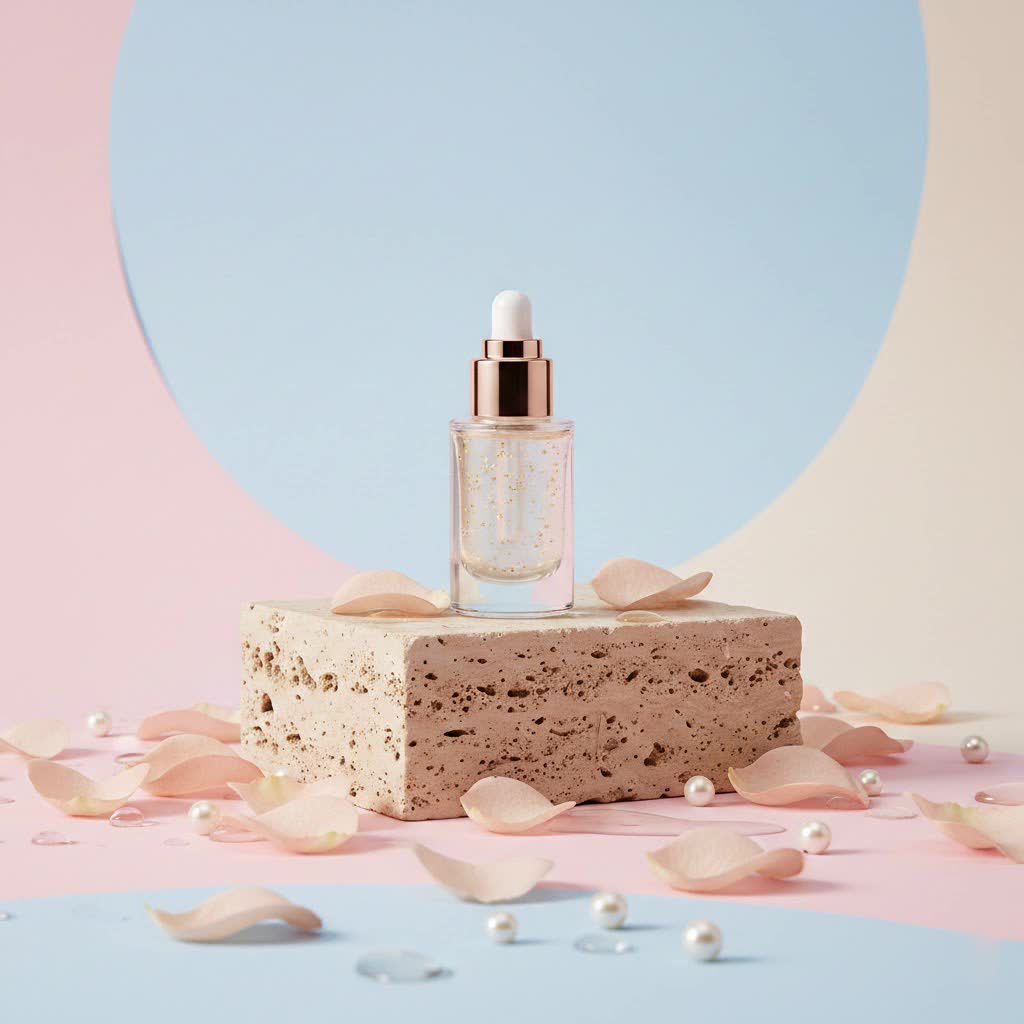
2. Face Serum: Everything You Need to Know
2.1. What is a Face Serum?
|
Our Picks for the Best Face Serum in 2026
As an Amazon Associate I earn from qualifying purchases.
|
||
| Num | Product | Action |
|---|---|---|
| 1 | Good Molecules Hyaluronic Acid Serum - 1% Hyaluronic Acid Non-greasy Ultra Hydrating Serum, Facial Moisturizer for Plumper Skin, Skin Care for Face |

|
| 2 | TruSkin Vitamin C Serum for Face – Anti Aging Face Serum with Hyaluronic Acid & Vitamin E – Brightening Formula for Improving Appearance of Dark Spots, Fine Lines & Wrinkles – All Skin Types, 1 fl oz |
|
| 3 | The Ordinary Hyaluronic Acid 2% + B5 (with Ceramides), Multi-Depth Hydration Serum for Plumper, Smoother Skin |
|
| 4 | Vichy LiftActiv Vitamin C Serum For Face, Brightening Serum With Pure Vitamin C + Hyaluronic Acid + Vitamin E, Reduces Fine Lines, Smooths Skin Texture, Improves Radiance, Anti Aging |
|
| 5 | La Roche-Posay Hyalu B5 Pure Hyaluronic Acid Serum for Face, Vitamin B5 + Hyaluronic Acid + Madecassoside, Hydrating Serum Visibly Plumps Skin, Sensitive Skin Safe, Anti Aging, Oil-Free |
|
| 6 | The Ordinary Niacinamide 10% + Zinc 1%, Smoothing Serum for Blemish-Prone Skin |
|
| 7 | Salmon DNA PPRN Serum, 5000ppm Salmon Egg DNA & 2000ppm Collagen, with Glutathione, Niacinamide & 6 Hyaluronic Acids, Korean Anti-Aging Face Serum for Wrinkles and Radiance, 1.5 fl oz, 30 Count |
|
| 8 | medicube PDRN Pink Peptide Serum with Rose PDRN - Vegan Pink Glow Serum with Peptides & Niacinamide for Hydration & Firm-Looking Skin - Uneven Tone Care - Korean Skincare, 1.01 fl. Oz |
|
| 9 | Dr Sebagh Platinum Gold Elixir Travel Size (0.17 fl oz) - Luxury Anti Aging Serum with 24K Gold & Platinum - Hydrating Facial Serum for Women & Men - Anti Wrinkle & Antioxidant Skin Care |
|
| 10 | medicube PDRN Pink Peptide Serum with Salmon DNA - Pink Glow Serum with Peptides & Niacinamide for Hydration & Firm-Looking Skin - Uneven Tone Care - Korean Skincare, 1.01 fl. Oz |
|
A face serum is a lightweight, highly concentrated skincare product packed with active ingredients that penetrate deeply into the skin. Unlike moisturizers, which primarily hydrate the skin’s surface and create a barrier, serums are formulated to deliver powerful active molecules to address specific skin concerns at a cellular level. They often have a thinner consistency than creams or lotions, allowing for quicker absorption and more effective delivery of beneficial compounds.
Serums differ significantly from other skincare products like moisturizers, essences, and lotions. Moisturizers are thicker and primarily focus on hydration and barrier protection. Essences are typically lighter and used after toning to add an initial layer of hydration and prepare the skin for subsequent steps. Lotions are lighter than creams but still focus on general hydration rather than targeted treatment. Serums, by contrast, are treatment-focused powerhouses designed to deliver specific solutions.
2.2. Common Ingredients Found in Face Serums
Face serums are renowned for their potent formulations, often featuring a blend of active ingredients chosen for their efficacy in addressing various skin concerns. Understanding these components is key to selecting the right serum.
- Vitamin C (L-Ascorbic Acid, Tetrahexyldecyl Ascorbate): A powerful antioxidant that brightens skin, reduces hyperpigmentation, stimulates collagen production, and protects against environmental damage. Ideal for dull skin, dark spots, and anti-aging.
- Hyaluronic Acid: A humectant capable of holding up to 1,000 times its weight in water, providing intense hydration and plumping the skin. Excellent for all skin types, especially dry or dehydrated skin.
- Retinol (Vitamin A derivative): Promotes cell turnover, reduces fine lines and wrinkles, improves skin texture, and minimizes pores. A gold standard for anti-aging and acne-prone skin, though it can cause initial irritation.
- Niacinamide (Vitamin B3): A versatile ingredient that reduces inflammation, minimizes pore appearance, improves uneven skin tone, strengthens the skin barrier, and regulates oil production. Suitable for most skin types, including sensitive and acne-prone.
- Peptides: Short chains of amino acids that act as building blocks for proteins like collagen and elastin. They can signal the skin to produce more collagen, improving firmness and reducing wrinkles. Great for anti-aging and skin repair.
- Alpha Hydroxy Acids (AHAs – Glycolic, Lactic Acid): Exfoliate the skin’s surface, improving texture, brightening, and reducing fine lines. Good for dull or uneven skin.
- Beta Hydroxy Acids (BHAs – Salicylic Acid): Oil-soluble exfoliants that penetrate pores to clear congestion, reducing blackheads, whiteheads, and acne. Best for oily and acne-prone skin.
2.3. Benefits of Using a Face Serum
Incorporating a face serum into your daily routine offers a multitude of benefits, transforming your complexion and addressing specific concerns with targeted efficacy.
- Improves Fine Lines and Skin Aging: Many serums are packed with anti-aging ingredients like retinol, peptides, and antioxidants that stimulate collagen production, reduce the appearance of wrinkles, and improve skin elasticity, leading to a more youthful look.
- Brightens and Evens Skin Tone: Ingredients such as Vitamin C, niacinamide, and alpha hydroxy acids work to fade dark spots, hyperpigmentation, and overall dullness, revealing a brighter, more uniform complexion.
- Deep Hydration and Skin Repair: Hyaluronic acid serums deliver intense moisture, plumping the skin and improving its barrier function. Other ingredients can help repair damaged skin, soothe irritation, and promote overall skin health.
- Reduces Acne and Blemishes: Serums containing salicylic acid, niacinamide, or tea tree oil can effectively reduce inflammation, unclog pores, control oil production, and minimize the appearance of breakouts and post-acne marks.
- Enhanced Absorption of Other Products: By preparing the skin and delivering key nutrients, serums can also improve the absorption and efficacy of subsequent skincare products like moisturizers.
2.4. Popular Types of Face Serums on the Market
The vast array of face serums available caters to virtually every skin concern, making it crucial to identify which type aligns with your specific needs. Each category is formulated with particular active ingredients designed to deliver targeted results.
- Hydrating Serums: These serums are primarily focused on replenishing moisture, often featuring hyaluronic acid, glycerin, and ceramides. They are ideal for dry, dehydrated, or sensitive skin, plumping the skin and improving its barrier function.
- Brightening Serums: Designed to combat dullness, dark spots, and uneven skin tone, these typically contain Vitamin C, alpha arbutin, niacinamide, or licorice root extract. They work to inhibit melanin production and promote a more radiant complexion.
- Anti-Aging Serums: These are formulated to reduce the visible signs of aging, such as fine lines, wrinkles, and loss of firmness. Common ingredients include retinol, peptides, antioxidants (like Vitamin E and ferulic acid), and growth factors.
- Acne-Fighting Serums: Targeting breakouts, excess oil, and clogged pores, these serums often contain salicylic acid (BHA), niacinamide, tea tree oil, or zinc. They help to exfoliate, reduce inflammation, and regulate sebum production.
- Exfoliating Serums: Utilizing AHAs (glycolic, lactic acid) or BHAs, these serums gently shed dead skin cells, improving texture, unclogging pores, and promoting cell turnover for smoother, clearer skin.
- Calming/Soothing Serums: For sensitive or irritated skin, these serums focus on reducing redness and inflammation with ingredients like centella asiatica (Cica), bisabolol, or oats.
2.5. Comparing Popular Face Serum Ingredients and Their Functions
Understanding the core ingredients and their primary functions is essential when choosing a face serum. This table offers a concise comparison of some of the most sought-after components.
| Ingredient | Primary Function | Best For | Key Benefits |
|---|---|---|---|
| Vitamin C | Antioxidant, Brightening, Collagen Synthesis | Dullness, Dark Spots, Anti-Aging | Reduces hyperpigmentation, boosts radiance, firms skin, protects from free radicals |
| Hyaluronic Acid | Hydration, Plumping | Dry, Dehydrated Skin, All Skin Types | Intense moisture, smooths fine lines, improves skin elasticity |
| Retinol | Cell Turnover, Anti-Aging, Acne Treatment | Fine Lines, Wrinkles, Acne, Uneven Texture | Reduces wrinkles, clears acne, refines skin texture |
| Niacinamide | Anti-inflammatory, Barrier Support, Oil Regulation | Redness, Pores, Oiliness, Uneven Tone | Minimizes pores, strengthens barrier, reduces inflammation, evens tone |
| Peptides | Collagen Boosting, Firming | Anti-Aging, Loss of Firmness | Improves skin elasticity, reduces wrinkles, promotes youthful appearance |
| Salicylic Acid | Exfoliation (oil-soluble), Pore Clearing | Oily, Acne-Prone, Congested Skin | Unclogs pores, reduces blackheads/whiteheads, calms breakouts |
| Glycolic Acid | Exfoliation (water-soluble), Brightening | Dullness, Uneven Texture, Fine Lines | Resurfaces skin, brightens complexion, improves texture |
2.6. How to Choose the Right Face Serum for Your Skin Type
Selecting the perfect face serum requires a clear understanding of your individual skin type and its specific needs. A serum that works wonders for one person might not be suitable for another.
- For Dry Skin: Focus on intensely hydrating serums. Look for ingredients like Hyaluronic Acid, Glycerin, Ceramides, and Squalane. These help to attract and retain moisture, strengthening the skin barrier and preventing water loss.
- For Oily Skin: Opt for lightweight, non-comedogenic formulas that help regulate oil production and minimize shine. Key ingredients include Niacinamide, Salicylic Acid, and Zinc. These can reduce inflammation, control sebum, and keep pores clear without adding extra oiliness.
- For Combination Skin: This skin type requires a balanced approach. You might consider using different serums for different areas (e.g., a hydrating serum for dry patches and a salicylic acid serum for oily T-zone) or a versatile serum with Niacinamide or Hyaluronic Acid that addresses both hydration and oil control.
- For Sensitive Skin: Choose serums with soothing and anti-inflammatory ingredients, ensuring they are fragrance-free and hypoallergenic. Centella Asiatica (Cica), Bisabolol, Aloe Vera, and Hyaluronic Acid are excellent choices to calm redness and irritation while providing gentle hydration.
- For Acne-Prone Skin: Prioritize serums with Salicylic Acid to unclog pores, Niacinamide to reduce inflammation and redness, and Tea Tree Oil for its antimicrobial properties. Avoid heavy, occlusive formulas that can exacerbate breakouts.
- For Mature/Aging Skin: Target concerns like fine lines, wrinkles, and loss of firmness with Retinol, Peptides, Vitamin C, and powerful antioxidants. These ingredients stimulate collagen, improve elasticity, and protect against environmental damage.
“Understanding your skin’s unique language – whether it’s thirsty, irritated, or showing early signs of aging – is the first step to finding a serum that truly transforms your complexion.” – Dr. Sarah Chen, Dermatologist
2.7. How to Use Face Serum Correctly
Integrating a face serum into your skincare routine correctly ensures maximum efficacy and optimal results. Consistency is key, and proper application can make a significant difference.
Steps for using serum in your skincare routine:
- Cleanse: Begin with a gentle cleanser to remove makeup, dirt, and impurities. This creates a clean canvas for your serum.
- Tone (Optional but Recommended): Apply a toner to balance your skin’s pH and prepare it for better absorption of subsequent products.
- Apply Serum: Dispense a small amount (typically 2-4 drops) of serum onto your fingertips. Gently pat and press the serum evenly over your face and neck. Avoid rubbing vigorously, as this can irritate the skin and reduce absorption.
- Allow Absorption: Give the serum a minute or two to fully absorb into your skin before moving to the next step.
- Moisturize: Follow with your preferred moisturizer to lock in the serum’s active ingredients and provide additional hydration and barrier protection.
- Sunscreen (Morning Routine): Always finish your morning routine with a broad-spectrum sunscreen to protect your skin from UV damage, especially when using active ingredients like Vitamin C or Retinol.
Important considerations when using serum:
- Less is More: Serums are highly concentrated, so a small amount is usually sufficient. Over-applying won’t necessarily yield better results and can sometimes lead to irritation or product waste.
- Layering: If using multiple serums, apply the thinnest consistency first, allowing each to absorb before applying the next. Alternatively, use different serums at different times of the day (e.g., Vitamin C in the morning, Retinol at night).
- Patch Test: If you have sensitive skin or are trying a new active ingredient, perform a patch test on a small area of your skin (e.g., behind the ear or inner forearm) for a few days to check for any adverse reactions.
- Listen to Your Skin: Pay attention to how your skin reacts. If you experience redness, irritation, or excessive dryness, reduce frequency or discontinue use.
2.8. Where to Buy Reputable Face Serums
Purchasing face serums from reliable sources is paramount to ensure you’re getting authentic, high-quality products that are safe and effective. The market is flooded with options, but not all retailers are created equal.
- Authorized Retailers: The safest places to buy are directly from the brand’s official website or through authorized beauty retailers. These include well-known department stores, major beauty chains (like Sephora, Ulta Beauty), and reputable online stores that explicitly state they are authorized sellers.
- Dermatologist Offices/Medical Spas: For professional-grade or specific therapeutic serums, purchasing directly from a dermatologist’s office or a medical spa ensures product authenticity and often comes with expert guidance.
- Pharmacies: Many pharmacies carry a range of reputable skincare brands, especially those known for sensitive skin or specific concerns.
- Avoid Unauthorized Sellers: Be cautious of third-party sellers on marketplaces like Amazon, eBay, or smaller, unverified websites. While prices might seem appealing, there’s a higher risk of counterfeits, expired products, or improperly stored items that could be ineffective or even harmful.
- Check for Seals and Packaging: Always inspect product packaging for tamper-evident seals and ensure it matches the brand’s official presentation.
2.9. Important Considerations When Using Face Serums
While face serums are powerful allies in skincare, a few key considerations and precautions can help you maximize their benefits and avoid potential drawbacks.
- Potential Side Effects:
- Irritation/Redness: Especially common with active ingredients like Retinol, Vitamin C (if concentration is too high), or AHAs, particularly when starting a new product. Begin with lower concentrations and gradually increase frequency as your skin adapts.
- Dryness/Peeling: Retinoids are known to cause dryness and peeling, especially during the initial “retinization” phase. Ensure adequate hydration and moisturization.
- Purging: Some acne-fighting serums (e.g., with Salicylic Acid or Retinol) can cause a temporary increase in breakouts as they bring underlying impurities to the surface. This usually subsides within a few weeks.
- Sun Sensitivity: Many active ingredients, particularly retinoids and AHAs, can increase your skin’s sensitivity to the sun. Always use a broad-spectrum SPF 30+ sunscreen daily, even on cloudy days, to protect your skin.
- Product Interactions: Be mindful of combining certain active ingredients. For example, using high concentrations of Vitamin C and Retinol simultaneously might be too irritating for some. It’s often best to use them at different times of the day (e.g., Vitamin C in the morning, Retinol at night) or on alternating nights. Always read product instructions and consult a dermatologist if unsure.
- Storage of Serums:
- Cool, Dark Place: Most serums should be stored in a cool, dark place away from direct sunlight and extreme temperatures to maintain their stability and efficacy.
- Refrigeration: Some Vitamin C serums, especially those with L-Ascorbic Acid, benefit from refrigeration to prolong their shelf life and prevent oxidation. Check the product’s specific instructions.
- Airtight Packaging: Serums are best kept in opaque, airtight bottles with pumps or droppers to minimize exposure to air, which can degrade sensitive ingredients.
2.10. Buying Guide: The Secret to Choosing Your Perfect Face Serum
Navigating the multitude of face serums can feel daunting, but a systematic approach will guide you to the perfect match for your skin. Here’s a comprehensive buying guide to make an informed decision.
- Identify Your Skin Type and Primary Concerns: This is the most crucial first step. Are you dealing with dryness, oiliness, sensitivity, acne, hyperpigmentation, or signs of aging? Your serum should directly target your most pressing issues. For instance, if fine lines are a concern, look for anti-aging ingredients. If hydration is key, prioritize moisturizing components.
- Research Key Ingredients and Their Functions: Once you know your concerns, educate yourself on which active ingredients are best suited to address them. Refer to sections 2.2 and 2.5 of this guide. A Vitamin C serum is for brightening, Hyaluronic Acid for hydration, Retinol for anti-aging, and Salicylic Acid for acne.
- Read Reviews and Compare Products: Dive into honest product reviews from users with similar skin types and concerns. Look for consistent positive feedback and note any reported side effects. Compare formulations, concentrations, and ingredient lists across different brands. Pay attention to how the product feels on the skin and its absorption rate.
- Prioritize Reputable Brands and Ethical Practices: Choose brands known for their transparency, scientific research, and quality ingredients. Brands with dermatologist recommendations or clinical testing often indicate a higher standard of product. Consider brands that align with your values, such as those that are cruelty-free, vegan, or use sustainable practices, if those are important to you.
- Consider Price vs. Value: While price can be an indicator of quality, it’s not the sole determinant. A higher price doesn’t always guarantee better results, and many effective serums are available at more accessible price points. Evaluate the concentration of active ingredients, the quality of the formulation, and the overall volume of the product to determine its true value. Sometimes, investing in a high-quality serum with potent, stable ingredients is more cost-effective in the long run than repeatedly buying cheaper, less effective alternatives.
By systematically following these steps, you can confidently select a face serum that not only meets your skin’s unique demands but also integrates seamlessly into your routine, setting you on the path to a healthier, more radiant complexion.
Conclusion
Face serums are undoubtedly a transformative step in any comprehensive skincare regimen, offering highly concentrated solutions for virtually every skin concern. From battling the visible signs of aging and deeply hydrating parched skin to brightening a dull complexion and managing breakouts, the right face serum can unlock remarkable improvements in your skin’s health and appearance. By understanding your skin type, delving into the power of key ingredients, and committing to proper application, you empower yourself to make informed choices. Embrace the potent capabilities of a well-chosen face serum and watch your skin thrive. What specific skin concern are you hoping a face serum will help you conquer first?
Frequently Asked Questions
Can I use a face serum every day?
Yes, most face serums are formulated for daily use, typically once or twice a day, depending on the active ingredients and your skin’s tolerance. Always check the product’s specific instructions, especially for potent ingredients like retinol.
At what age should I start using a face serum?
There’s no definitive age to start, as it depends on your skin concerns. Many begin in their late teens or early twenties to address hydration or acne, while anti-aging serums are often introduced in the mid-twenties to thirties for preventative care.
How long does it take to see results from a face serum?
Results vary based on the serum’s ingredients and your skin’s specific needs, but typically, you can expect to see noticeable improvements within 4-6 weeks of consistent use. Some results, like hydration, can be immediate, while others, such as wrinkle reduction or spot fading, take longer.
Can I use multiple face serums at once?
Yes, you can layer multiple serums, but it’s generally best to apply them from thinnest to thickest consistency. Alternatively, use different serums at different times of the day (e.g., a Vitamin C serum in the morning and a retinol serum at night) to avoid potential irritation or reduce efficacy.
Is face serum a substitute for moisturizer?
No, a face serum is not a substitute for moisturizer. Serums deliver active ingredients to address specific concerns, while moisturizers primarily hydrate the skin’s surface and create a protective barrier to lock in moisture and serum benefits. They work best in conjunction.
