Embarking on the journey to radiant skin often leads to one powerful ingredient: Vitamin C. But with a dizzying array of options, how do you pinpoint the best vitamin C serum for your face? This essential antioxidant is a true skincare powerhouse, famed for its ability to brighten, protect, and rejuvenate the complexion. If you’re looking to transform dullness, combat environmental damage, or diminish signs of aging, incorporating a high-quality vitamin C serum into your routine is a game-changer. This guide will navigate you through the world of face serums, helping you understand their magic, identify key ingredients, and ultimately, choose the perfect formula to unlock your skin’s healthiest glow.
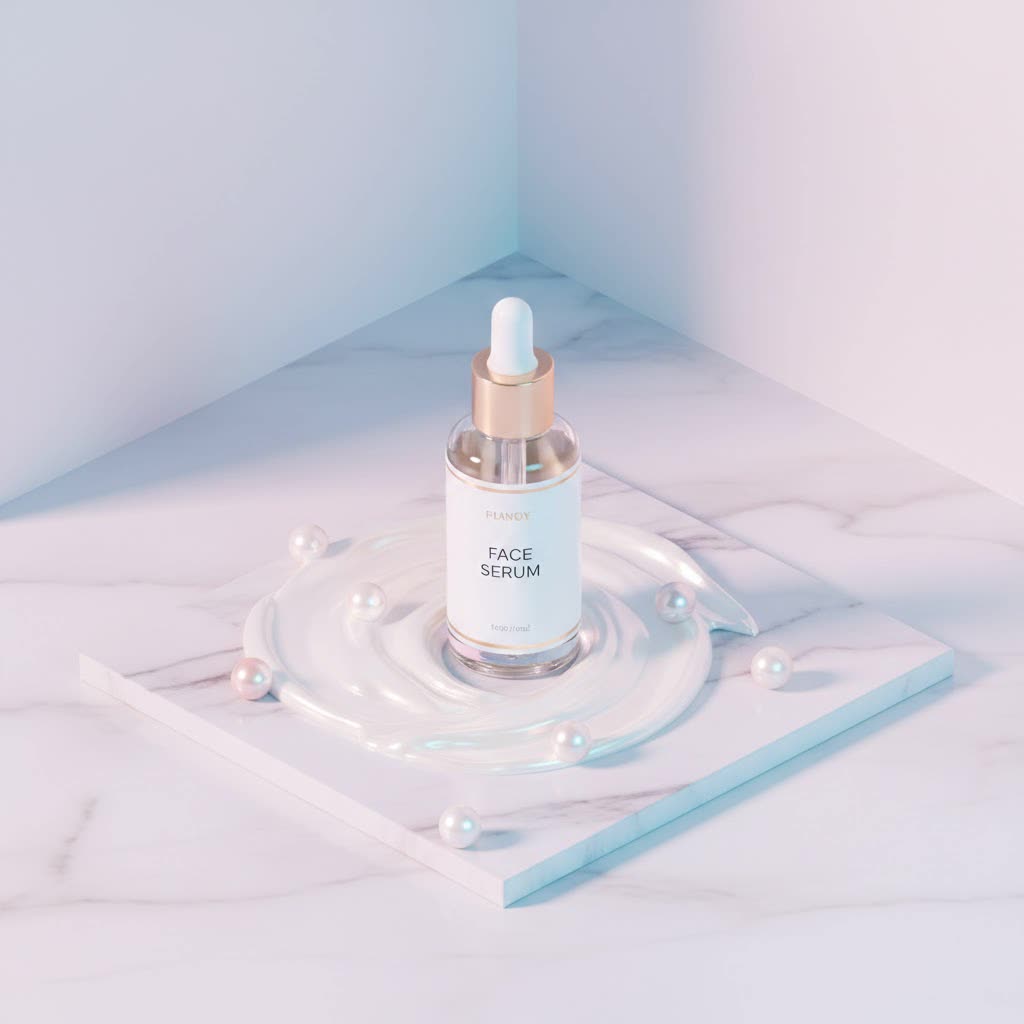
2. Face Serum: All You Need to Know
2.1. Face Serum is What?
|
Our Picks for the Best Face Serum in 2026
As an Amazon Associate I earn from qualifying purchases.
|
||
| Num | Product | Action |
|---|---|---|
| 1 | medicube PDRN Pink Peptide Serum with Rose PDRN - Vegan Pink Glow Serum with Peptides & Niacinamide for Hydration & Firm-Looking Skin - Uneven Tone Care - Korean Skincare, 1.01 fl. Oz |

|
| 2 | The Ordinary Niacinamide 10% + Zinc 1%, Smoothing Serum for Blemish-Prone Skin |
|
| 3 | La Roche-Posay Hyalu B5 Pure Hyaluronic Acid Serum for Face, Vitamin B5 + Hyaluronic Acid + Madecassoside, Hydrating Serum Visibly Plumps Skin, Sensitive Skin Safe, Anti Aging, Oil-Free |
|
| 4 | Good Molecules Hyaluronic Acid Serum - 1% Hyaluronic Acid Non-greasy Ultra Hydrating Serum, Facial Moisturizer for Plumper Skin, Skin Care for Face |
|
| 5 | medicube PDRN Pink Peptide Serum with Salmon DNA - Pink Glow Serum with Peptides & Niacinamide for Hydration & Firm-Looking Skin - Uneven Tone Care - Korean Skincare, 1.01 fl. Oz |
|
| 6 | The Ordinary Hyaluronic Acid 2% + B5 (with Ceramides), Multi-Depth Hydration Serum for Plumper, Smoother Skin |
|
| 7 | Vichy LiftActiv Vitamin C Serum For Face, Brightening Serum With Pure Vitamin C + Hyaluronic Acid + Vitamin E, Reduces Fine Lines, Smooths Skin Texture, Improves Radiance, Anti Aging |
|
| 8 | Dr Sebagh Platinum Gold Elixir Travel Size (0.17 fl oz) - Luxury Anti Aging Serum with 24K Gold & Platinum - Hydrating Facial Serum for Women & Men - Anti Wrinkle & Antioxidant Skin Care |
|
| 9 | Salmon DNA PPRN Serum, 5000ppm Salmon Egg DNA & 2000ppm Collagen, with Glutathione, Niacinamide & 6 Hyaluronic Acids, Korean Anti-Aging Face Serum for Wrinkles and Radiance, 1.5 fl oz, 30 Count |
|
| 10 | TruSkin Vitamin C Serum for Face – Anti Aging Face Serum with Hyaluronic Acid & Vitamin E – Brightening Formula for Improving Appearance of Dark Spots, Fine Lines & Wrinkles – All Skin Types, 1 fl oz |
|
A face serum is a lightweight, concentrated skincare product designed to deliver high concentrations of active ingredients to the skin. Unlike moisturizers, which are primarily for hydration and barrier protection, serums penetrate deeper into the skin to target specific concerns like aging, dullness, or acne. Serums typically have a thinner viscosity and are applied after cleansing and toning but before moisturizing, allowing their potent ingredients to work effectively without being diluted.
2.2. Common Ingredients Found in Face Serums
Face serums are formulated with a variety of powerful ingredients, each targeting specific skin needs. Understanding these components is key to selecting an effective serum.
- Vitamin C (Ascorbic Acid, L-Ascorbic Acid, Tetrahexyldecyl Ascorbate): A potent antioxidant that brightens skin, reduces hyperpigmentation, stimulates collagen production, and protects against environmental damage. L-Ascorbic Acid is the most biologically active form, often stabilized with Vitamin E and Ferulic Acid. Ideal for most skin types, especially those concerned with dullness, dark spots, and aging.
- Hyaluronic Acid: A humectant that draws moisture from the air into the skin, providing intense hydration and a plump appearance. It is suitable for all skin types, particularly dry and dehydrated skin, to improve suppleness and reduce the look of fine lines.
- Retinol (Vitamin A derivative): Promotes cell turnover, reduces wrinkles, improves skin texture, and minimizes pores. Best for mature or acne-prone skin, it should be introduced gradually due to its potency.
- Niacinamide (Vitamin B3): Calms inflammation, reduces redness, minimizes pore appearance, regulates oil production, and improves skin barrier function. Excellent for sensitive, acne-prone, and oily skin types.
- Peptides: Short chains of amino acids that signal the skin to produce more collagen and elastin, leading to firmer, smoother skin. Beneficial for all skin types looking to improve elasticity and reduce signs of aging.
2.3. Benefits of Using Face Serum
Integrating a face serum, especially a vitamin C serum, into your routine offers a multitude of benefits for your complexion:
- Improved Wrinkles and Skin Aging: Vitamin C stimulates collagen synthesis, which helps to plump the skin and diminish the appearance of fine lines and wrinkles, promoting a more youthful look.
- Brightens and Evens Skin Tone: As a powerful antioxidant, vitamin C inhibits melanin production, effectively reducing dark spots, hyperpigmentation, and overall skin dullness, leading to a more luminous and uniform complexion.
- Deep Hydration and Skin Repair: Many serums, including those with hyaluronic acid or vitamin C, provide intense hydration, helping to restore the skin’s moisture barrier and promote healing.
- Reduces Acne and Blemishes: Certain serums containing ingredients like salicylic acid or niacinamide, often paired with vitamin C, can help reduce inflammation, control oil, and fade post-inflammatory hyperpigmentation, minimizing breakouts and improving skin clarity.
2.4. Popular Types of Face Serums on the Market
The serum market is diverse, catering to virtually every skin concern. Here are some of the most popular categories:
- Hydrating Serums: Primarily focus on replenishing moisture, often featuring hyaluronic acid, glycerin, or ceramides.
- Brightening Serums: Aim to reduce hyperpigmentation, even skin tone, and enhance radiance, with vitamin C, alpha arbutin, or niacinamide as key ingredients.
- Anti-Aging Serums: Target fine lines, wrinkles, and loss of firmness, commonly containing retinol, peptides, antioxidants like vitamin C and E, or growth factors.
- Acne Treatment Serums: Formulated to control breakouts, reduce inflammation, and minimize post-acne marks, often including salicylic acid, niacinamide, or tea tree oil.
2.5. Comparison Table of Face Serums
| Serum Type | Key Ingredients | Primary Benefits | Best For | Common Brands (Examples) |
|---|---|---|---|---|
| Vitamin C Serum | L-Ascorbic Acid, Vitamin E, Ferulic Acid, Hyaluronic Acid | Brightening, anti-aging, antioxidant protection, collagen boost | Dullness, dark spots, aging skin, all skin types | SkinCeuticals, Paula’s Choice, Timeless, Drunk Elephant |
| Hydrating Serum | Hyaluronic Acid, Glycerin, Ceramides | Deep hydration, plumping, barrier support | Dry, dehydrated, sensitive skin | The Ordinary, CeraVe, La Roche-Posay |
| Retinol Serum | Retinol, Retinal, Bakuchiol (plant-based) | Anti-aging, wrinkle reduction, skin texture improvement, acne control | Mature skin, acne-prone skin | Paula’s Choice, Shani Darden, Olay |
| Niacinamide Serum | Niacinamide (Vitamin B3) | Oil regulation, pore minimization, redness reduction, barrier repair | Oily, acne-prone, sensitive skin | The Ordinary, Paula’s Choice, Inkey List |
2.6. Guide to Choosing the Right Face Serum for Your Skin Type
Selecting the optimal face serum requires understanding your skin’s unique needs.
- Dry Skin: Look for vitamin C serums combined with hydrating ingredients like hyaluronic acid, glycerin, and vitamin E to provide both antioxidant benefits and essential moisture. Avoid formulas with high alcohol content.
- Oily Skin: Choose lightweight, non-comedogenic vitamin C serums, often in a gel or watery texture. Formulas with niacinamide or salicylic acid can help control oil and minimize pores while still brightening.
- Combination Skin: A balanced approach works best. You might opt for a vitamin C serum that targets brightening and mild anti-aging, ensuring it’s not too heavy for oily zones or too drying for drier areas.
- Sensitive Skin: Seek vitamin C derivatives like Magnesium Ascorbyl Phosphate or Tetrahexyldecyl Ascorbate, which are gentler than pure L-Ascorbic Acid. Also, look for serums free from fragrance, essential oils, and excessive alcohol. Start with lower concentrations and patch test.
2.7. How to Use Face Serum Correctly
To maximize the benefits of your face serum, proper application is crucial within your skincare routine.
- Steps for Using Serum in Your Skincare Routine:
- Cleanse: Start with a clean face to remove dirt and impurities.
- Tone (Optional): Apply toner to balance skin pH and prepare it for better absorption.
- Apply Serum: Dispense 2-3 drops of serum onto your fingertips. Gently pat and press the serum evenly over your face and neck, avoiding harsh rubbing.
- Wait: Allow the serum a minute or two to fully absorb before proceeding.
- Moisturize: Follow with your regular moisturizer to lock in the serum’s active ingredients and provide additional hydration.
- Sunscreen (Morning): Always finish your morning routine with broad-spectrum sunscreen.
- Important Notes When Using Serum:
- Consistency is Key: Use your vitamin C serum daily, preferably in the morning to leverage its antioxidant protection against daytime environmental aggressors.
- Layering: Apply products from thinnest to thickest consistency.
- Patch Test: Always perform a patch test when trying a new serum, especially if you have sensitive skin, to check for adverse reactions.
- Start Slow: If using potent ingredients like high-concentration L-Ascorbic Acid or retinol, begin with alternate-day use and gradually increase frequency as your skin adjusts.
2.8. Where to Buy Reputable Face Serums?
When investing in a face serum, especially a potent one like vitamin C, purchasing from reliable sources is paramount to ensure authenticity and efficacy.
- Authorized Retailers: Purchase directly from the brand’s official website, reputable department stores, or authorized beauty retailers (e.g., Sephora, Ulta, Dermstore).
- Dermatologist Offices: Many dermatologists stock clinical-grade skincare products, offering expert advice and guaranteed genuine products.
- Reputable Online Pharmacies: Certain online pharmacies or drugstores with strong beauty sections (e.g., CVS, Walgreens, Boots in the UK) carry trusted drugstore brands.
- Avoid Third-Party Sellers: Be cautious of deeply discounted products from unofficial third-party sellers, as counterfeits or expired products are common.
2.9. Important Considerations When Using Face Serums
While face serums are highly beneficial, understanding potential issues and proper care ensures the best experience.
- Possible Side Effects: Some individuals might experience mild irritation, redness, or tingling, especially when starting a new vitamin C serum, particularly with L-Ascorbic Acid. This usually subsides as the skin adjusts. If irritation persists, reduce frequency or switch to a gentler formula.
- Serum Storage: Vitamin C is notoriously unstable and can oxidize when exposed to light, air, and heat, reducing its effectiveness. Store your serum in a cool, dark place, ideally in opaque or amber-colored bottles with airtight pumps or droppers to prolong its potency. Discard if it changes color (e.g., turns dark orange or brown).
2.10. Buying Guide: The Secret to Choosing the Perfect Face Serum
Navigating the vast world of face serums can feel overwhelming, but a systematic approach will lead you to your ideal match.
- Identify Your Skin Type and Needs: Are you battling acne, seeking anti-aging benefits, or aiming for brighter skin? Your primary concerns will guide your ingredient choices. For instance, if dark spots are your enemy, a potent vitamin C serum is a must.
- Research Ingredients and Benefits: Once you know your goals, delve into the ingredient list. Look for specific active compounds that address your concerns, such as L-Ascorbic Acid for brightening and collagen support, or hyaluronic acid for hydration. Understand what each ingredient does and if it’s suitable for your skin type.
- Read Reviews and Compare Prices: Consult trustworthy product reviews from individuals with similar skin types and concerns. Compare different brands and formulations within your budget, keeping in mind that higher price doesn’t always equate to better performance, but quality ingredients often come with a cost.
- Choose Reputable Brands: Opt for brands known for their transparency, scientific backing, and stable formulations. Brands that openly share ingredient concentrations and conduct third-party testing are generally more reliable.
“A well-formulated vitamin C serum is like a shield for your skin, protecting it during the day and helping to repair it at night. It’s truly one of the most effective tools you can add to your anti-aging arsenal.” – Dr. Geeta Yadav, Board-Certified Dermatologist
In the pursuit of healthier, more radiant skin, the best vitamin C serum for your face acts as a cornerstone. By diligently selecting a product tailored to your unique skin type and concerns, understanding its potent ingredients, and applying it correctly, you unlock a cascade of benefits, from diminished dark spots to a visibly firmer complexion. Remember that consistency and patience are your allies, as the true magic of vitamin C unfolds over time.
Frequently Asked Questions
Which form of Vitamin C is best for my skin?
The most potent and well-researched form is L-Ascorbic Acid, ideal for maximum anti-aging and brightening benefits. However, if you have sensitive skin, gentler derivatives like Magnesium Ascorbyl Phosphate or Tetrahexyldecyl Ascorbate might be more suitable to avoid irritation.
Can I use Vitamin C serum every day?
Yes, for most individuals, daily use of vitamin C serum, preferably in the morning, is recommended to leverage its antioxidant protection against environmental stressors throughout the day. Always follow with sunscreen.
How long does it take to see results from Vitamin C serum?
While some users report initial improvements in brightness within a few weeks, significant results for concerns like dark spots, fine lines, and overall skin tone typically become noticeable after 8-12 weeks of consistent use.
Can Vitamin C serum be used with other active ingredients?
Vitamin C can be effectively combined with hyaluronic acid, vitamin E, and ferulic acid. However, exercise caution when pairing it with potent exfoliants like AHAs/BHAs or retinol; it’s often best to use them at different times of the day (e.g., Vitamin C in the morning, Retinol at night) to prevent potential irritation.
What concentration of Vitamin C serum should I look for?
For effective results, a concentration between 10% and 20% L-Ascorbic Acid is generally recommended. Beginners or those with sensitive skin might start with lower concentrations (5-10%) and gradually increase as their skin builds tolerance.
