Achieving luminous, healthy-looking skin is a universal desire, but with countless skincare products promising a radiant complexion, how do you find the one that truly delivers? If you’re struggling with dullness, uneven tone, or tired-looking skin, a well-chosen face serum can be a game-changer. These highly concentrated formulations are specifically designed to penetrate deeper into the skin, targeting your concerns with potent active ingredients to unlock that coveted glow.
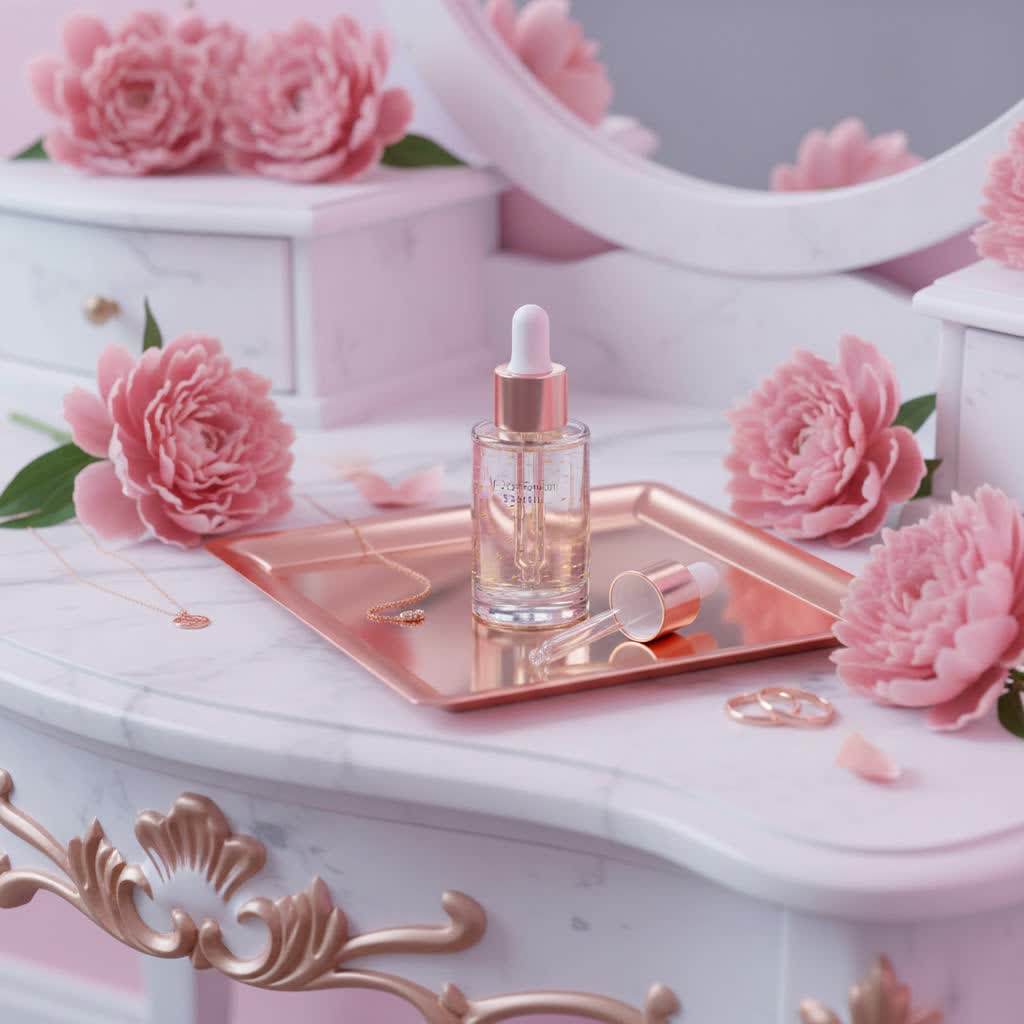
Face Serum: Everything You Need to Know
Face serums are an essential step in any effective skincare routine, acting as targeted treatments for various skin concerns. Unlike heavier creams or lotions, serums are lightweight, allowing their concentrated active ingredients to absorb deeply and work efficiently. This deeper penetration makes them more effective at addressing issues like dullness, pigmentation, and fine lines.
What is a Face Serum?
|
Our Picks for the Best Face Serum in 2026
As an Amazon Associate I earn from qualifying purchases.
|
||
| Num | Product | Action |
|---|---|---|
| 1 | The Ordinary Hyaluronic Acid 2% + B5 (with Ceramides), Multi-Depth Hydration Serum for Plumper, Smoother Skin |

|
| 2 | Vichy LiftActiv Vitamin C Serum For Face, Brightening Serum With Pure Vitamin C + Hyaluronic Acid + Vitamin E, Reduces Fine Lines, Smooths Skin Texture, Improves Radiance, Anti Aging |
|
| 3 | Dr Sebagh Platinum Gold Elixir Travel Size (0.17 fl oz) - Luxury Anti Aging Serum with 24K Gold & Platinum - Hydrating Facial Serum for Women & Men - Anti Wrinkle & Antioxidant Skin Care |
|
| 4 | La Roche-Posay Hyalu B5 Pure Hyaluronic Acid Serum for Face, Vitamin B5 + Hyaluronic Acid + Madecassoside, Hydrating Serum Visibly Plumps Skin, Sensitive Skin Safe, Anti Aging, Oil-Free |
|
| 5 | Good Molecules Hyaluronic Acid Serum - 1% Hyaluronic Acid Non-greasy Ultra Hydrating Serum, Facial Moisturizer for Plumper Skin, Skin Care for Face |
|
| 6 | The Ordinary Niacinamide 10% + Zinc 1%, Smoothing Serum for Blemish-Prone Skin |
|
| 7 | TruSkin Vitamin C Serum for Face – Anti Aging Face Serum with Hyaluronic Acid & Vitamin E – Brightening Formula for Improving Appearance of Dark Spots, Fine Lines & Wrinkles – All Skin Types, 1 fl oz |
|
| 8 | medicube PDRN Pink Peptide Serum with Salmon DNA - Pink Glow Serum with Peptides & Niacinamide for Hydration & Firm-Looking Skin - Uneven Tone Care - Korean Skincare, 1.01 fl. Oz |
|
| 9 | medicube PDRN Pink Peptide Serum with Rose PDRN - Vegan Pink Glow Serum with Peptides & Niacinamide for Hydration & Firm-Looking Skin - Uneven Tone Care - Korean Skincare, 1.01 fl. Oz |
|
| 10 | Salmon DNA PPRN Serum, 5000ppm Salmon Egg DNA & 2000ppm Collagen, with Glutathione, Niacinamide & 6 Hyaluronic Acids, Korean Anti-Aging Face Serum for Wrinkles and Radiance, 1.5 fl oz, 30 Count |
|
A face serum is a lightweight skincare product packed with a high concentration of active ingredients designed to target specific skin concerns. Think of it as a shot of powerful nutrients for your skin. While moisturizers typically focus on hydration and creating a protective barrier on the skin’s surface, serums are formulated to deliver potent ingredients deeper into the epidermis. This allows them to address issues at a cellular level, offering more intensive and often faster results than other skincare products. For example, a serum might contain specific vitamins, antioxidants, or acids that penetrate beyond the skin’s superficial layer to treat concerns like dark spots or fine lines.
Common Ingredients in Face Serums
Understanding the ingredients in your face serum is key to choosing the right one for your skin. Different actives offer distinct benefits, catering to various skin needs and helping you achieve a specific type of glow.
- Vitamin C (Ascorbic Acid): This powerful antioxidant is a cornerstone for radiant skin. It brightens dullness, reduces hyperpigmentation, and stimulates collagen production, leading to a more even and youthful complexion. Vitamin C also protects the skin from environmental damage caused by free radicals. It’s ideal for those with uneven skin tone and dullness.
- Niacinamide (Vitamin B3): Known for its versatility, niacinamide improves skin barrier function, reduces inflammation, minimizes the appearance of enlarged pores, and helps regulate oil production. It’s gentle yet effective, making it suitable for a wide range of skin types, including oily, acne-prone, and sensitive skin.
- Hyaluronic Acid (HA): A hydration hero, hyaluronic acid can hold up to 1000 times its weight in water, drawing moisture into the skin to plump it up and provide immediate hydration. This results in a smoother, dewier, and instantly glowing appearance. It’s particularly beneficial for dry and dehydrated skin.
- Retinol (Vitamin A): A potent anti-aging ingredient, retinol accelerates cell turnover, which helps to reduce the appearance of fine lines, wrinkles, and pigmentation. Consistent use can lead to long-term radiance and improved skin texture. Retinol is best suited for mature or aging skin.
- Peptides: These short chains of amino acids are the building blocks of proteins like collagen and elastin. Peptides signal the skin to produce more collagen, leading to firmer, more elastic skin and a reduction in the visible signs of aging. They are often found in serums for mature skin to improve overall skin structure.
- Alpha Arbutin: A natural skin-brightening agent, alpha arbutin works to reduce hyperpigmentation, dark spots, and melasma by inhibiting melanin production. It is a gentle yet effective option for achieving a more even skin tone.
- AHAs & BHAs (Exfoliating Acids): Alpha Hydroxy Acids (like glycolic and lactic acid) and Beta Hydroxy Acids (like salicylic acid) gently exfoliate the skin by removing dead skin cells from the surface. This process reveals the fresh, glowing skin underneath, improving texture and clarity. These are great for dull, rough, or congested skin.
- Antioxidants (e.g., Green Tea Extract, Ferulic Acid): Beyond Vitamin C, other antioxidants like green tea extract and ferulic acid help protect the skin from environmental aggressors such as pollution and UV rays. They also enhance the effectiveness of other brightening ingredients, contributing to healthier, more radiant skin.
Benefits of Using a Face Serum
Incorporating a face serum into your routine offers a multitude of benefits, directly contributing to that healthy, luminous complexion you desire.
- Brightens Dull Skin: Serums with ingredients like Vitamin C and niacinamide actively target pigmentation and uneven skin tone, leading to a visibly brighter and more vibrant complexion.
- Deeply Hydrates and Plumps: Hyaluronic acid in serums attracts and locks in moisture, making the skin feel softer, look plumper, and instantly imparting a dewy glow.
- Evens Skin Tone: Potent ingredients work to fade dark spots, sun damage, and post-acne marks, resulting in a more uniform and clear skin tone.
- Boosts Collagen Production: Serums containing retinol and peptides help stimulate collagen synthesis, improving skin elasticity and reducing the appearance of fine lines and wrinkles for a smoother, youthful look.
- Reduces Acne and Blemishes: Certain serums formulated with niacinamide or salicylic acid can help calm redness, reduce inflammation, and prevent breakouts, promoting clearer skin.
- Prepares Skin for Makeup: A well-chosen serum creates a smooth, hydrated, and luminous base, allowing makeup to apply more seamlessly and look more natural.
“Serums are a really good way to get extra anti-aging effects, more than your typical moisturizer and sunscreen.” – Abigail Baird Waldman, Assistant Professor of Dermatology at Harvard University
Popular Face Serum Types
The market is abundant with serums tailored to specific concerns, ensuring there’s a perfect match for every skin goal.
- Hydrating Serums: Primarily featuring hyaluronic acid, glycerin, and ceramides, these serums intensely moisturize and plump the skin, combating dryness and dehydration for a supple, dewy finish.
- Brightening Serums: Rich in Vitamin C, alpha arbutin, and niacinamide, these target dullness, dark spots, and uneven skin tone, revealing a more radiant and luminous complexion.
- Anti-Aging Serums: Packed with retinol, peptides, and potent antioxidants, these serums focus on reducing fine lines, wrinkles, improving elasticity, and promoting overall skin regeneration for a youthful glow.
- Acne-Fighting Serums: Often containing salicylic acid, niacinamide, or tea tree oil, these work to reduce inflammation, control oil production, and prevent breakouts, leading to clearer and smoother skin.
Comparison of Popular Face Serums for Glow
| Serum Type | Key Ingredients | Primary Benefit | Example Products (Illustrative) | Skin Type Best Suited For | Price Range (Illustrative) |
|---|---|---|---|---|---|
| Brightening Serum | Vitamin C, Niacinamide, Arbutin | Reduces dark spots, evens tone | WOWMD Glow Fusion Vitamin C Serum, L’Oreal Glycolic Bright Serum | Dull, uneven, hyperpigmented | Mid-High |
| Hydrating Serum | Hyaluronic Acid, Glycerin | Deep hydration, plumps skin | WOWMD Hyaluronic Acid Serum, L’Oreal Revitalift HA Serum | Dry, dehydrated, all skin types | Mid |
| Anti-Aging Serum | Retinol, Peptides, Antioxidants | Reduces wrinkles, improves firmness | Estée Lauder Advanced Night Repair, Beverly Hills MD Repair + Reverse | Mature, aging | High |
| Pore Refining/Oil Control | Niacinamide, Zinc | Minimizes pores, controls oil | The Ordinary Niacinamide 10% + Zinc 1%, Plum 10% Niacinamide Serum | Oily, acne-prone, combination | Low-Mid |
| Dark Spot Corrector | Alpha Arbutin, Kojic Acid | Fades pigmentation, brightens | Minimalist Alpha Arbutin 2% Serum, WOWMD Dark Spot Serum | Hyperpigmented, sun-damaged | Mid |
How to Choose the Right Face Serum for Your Skin
Choosing the “best” serum for a face glow isn’t about finding a one-size-fits-all product; it’s about understanding your unique skin and its needs.
-
Identify Your Skin Type:
- Dry Skin: Look for serums rich in hyaluronic acid, glycerin, and ceramides to lock in moisture and plump the skin. Avoid high-strength exfoliating acids that can strip natural oils.
- Oily Skin: Opt for lightweight, oil-free serums with niacinamide to regulate sebum production and minimize pores. Salicylic acid can also be beneficial for oil control and preventing breakouts.
- Combination Skin: A balanced serum containing Vitamin C and hyaluronic acid can address both dryness and dullness. You might consider spot-treating oily areas with a niacinamide-focused serum if needed.
- Sensitive Skin: Stick to soothing formulas with ingredients like aloe vera, chamomile, or niacinamide. Avoid high concentrations of potent actives like retinol or strong acids which can cause irritation. Always patch test new products.
- Aging Skin: Serums with retinol, peptides, and Vitamin C are excellent choices for targeting fine lines, wrinkles, and improving overall skin elasticity and radiance.
-
Research Ingredients and Benefits: Once you know your skin type, delve into the ingredient list. Match the active ingredients to your primary concerns (e.g., Vitamin C for brightening, Hyaluronic Acid for hydration, Retinol for anti-aging).
-
Read Reviews and Compare Prices: Consumer reviews can offer valuable insights into a product’s effectiveness and how it feels on different skin types. Compare prices across reputable retailers to ensure you’re getting a good value, but remember that premium ingredients often come with a higher price tag.
-
Choose Reputable Brands: Opt for brands known for their transparency, quality ingredients, and dermatological testing. This helps ensure the product is safe and effective.
How to Use a Face Serum Correctly
Applying your face serum correctly maximizes its benefits and ensures optimal absorption of its potent ingredients.
- Cleanse Your Face: Start with a gentle cleanser to remove dirt, oil, and makeup. This creates a clean canvas for the serum to penetrate effectively.
- Apply Toner (Optional): If you use a toner, apply it after cleansing. Toner helps balance your skin’s pH and prepares it for better serum absorption.
- Apply Serum to Damp Skin: Take 2-3 drops of serum (a pea-sized amount is often sufficient) and gently pat it onto your face and neck. Applying serum to slightly damp skin can enhance absorption. If using multiple serums, apply the thinnest consistency first, followed by thicker ones.
- Allow Absorption: Give the serum one to two minutes to fully absorb into your skin before moving to the next step.
- Follow with Moisturizer: Lock in the serum’s benefits by applying a moisturizer. This creates a protective barrier and prevents the active ingredients from evaporating.
- Apply Sunscreen (Daytime): In the morning, sunscreen is non-negotiable, especially when using active ingredients like Vitamin C or retinol, which can increase sun sensitivity.
Where to Buy Reliable Face Serums?
When purchasing face serums, especially those with potent active ingredients, it’s crucial to ensure authenticity and quality.
- Authorized Retailers: Purchase directly from brand websites or authorized beauty retailers (online and in-store). This minimizes the risk of counterfeit products.
- Dermatologist’s Office: Many dermatologists offer medical-grade skincare lines that include highly effective serums.
- Reputable Online Marketplaces: If buying from large online marketplaces, always check seller reviews, product authenticity guarantees, and return policies.
Important Considerations When Using Face Serums
While serums are powerful, it’s important to use them thoughtfully to avoid potential issues.
- Patch Test: Always perform a patch test on a small, inconspicuous area of skin (like behind your ear or on your inner arm) before applying a new serum to your entire face. This helps identify any allergic reactions or sensitivities.
- Potential Side Effects: Some potent ingredients, particularly retinoids and high concentrations of Vitamin C or AHAs, can cause mild irritation, redness, tingling, or dryness as your skin adjusts. Start with a small amount a few times a week and gradually increase frequency as your skin builds tolerance. If irritation persists, reduce usage or switch to a gentler formula.
- Layering Serums: While you can use more than one serum, avoid layering too many active ingredients at once, which can overwhelm and irritate your skin. Stick to 1-2 serums per routine, focusing on your primary concerns.
- Storage: Store your serums in a cool, dark place away from direct sunlight and extreme temperatures, especially those containing delicate ingredients like Vitamin C, which can degrade with exposure to light and air. Check product instructions for specific storage recommendations.
- Consistency is Key: Visible results from serums typically appear within 4 to 8 weeks of consistent, regular use. Don’t expect immediate miracles; give your serum time to work its magic. A 2024 consumer skincare survey found that 67% of women reported visible improvement in skin glow after 8 weeks of regular serum use.
Buying Guide: The Secret to Choosing the Perfect Face Serum
Navigating the vast world of face serums can feel overwhelming, but a systematic approach will lead you to your perfect match for a radiant glow.
- Define Your Skin Type and Concerns: This is the most critical first step. Are you primarily battling dullness, dark spots, dryness, fine lines, or acne? Your skin type (oily, dry, combination, sensitive) will also heavily influence your choices.
- Prioritize Key Ingredients: Once your concerns are clear, look for serums featuring the active ingredients best suited to address them. For glow, Vitamin C, Niacinamide, and Hyaluronic Acid are top contenders.
- Read Reviews and Seek Expert Advice: Consult product reviews from reputable sources and consider advice from dermatologists or trusted skincare experts. This provides real-world insights beyond marketing claims.
- Consider Formulation and Texture: Do you prefer a lightweight, fast-absorbing liquid or a slightly richer serum? The texture can impact how well it integrates into your existing routine.
- Check for Complementary Ingredients: Look for serums with synergistic ingredients that enhance each other’s effects, such as Vitamin C with Ferulic Acid.
- Assess Brand Reputation and Transparency: Choose brands that are transparent about their ingredients, concentrations, and testing.
- Patch Test Always: Regardless of recommendations, always perform a patch test to ensure no adverse reactions.
Conclusion
Embracing the right face serum can be a transformative step in your skincare journey, moving beyond basic hydration to target specific concerns and unlock your skin’s natural radiance. By understanding what serums are, identifying key ingredients, and choosing a product tailored to your unique skin type and concerns, you can effectively combat dullness, dark spots, and dehydration. Remember, consistency in application, coupled with a complete skincare routine including cleansing, moisturizing, and sun protection, is paramount to seeing lasting results. The secret to a glowing complexion lies in giving your skin the targeted care it truly deserves.
What radiant glow are you dreaming of achieving?
Frequently Asked Questions
Can I use more than one serum in my routine?
Yes, you can layer serums, but it’s best to stick to a maximum of two to avoid overwhelming your skin or causing irritation. Apply the thinner serum first, allowing it to absorb before applying the thicker one.
How long does it take to see results from a face serum?
Most serums show visible improvements within 4 to 8 weeks of consistent daily use. However, individual results can vary based on skin type, concern, and the serum’s active ingredients.
Is face serum better than moisturizer for glowing skin?
Serums and moisturizers serve different, complementary purposes. Serums deliver concentrated active ingredients deep into the skin to target specific concerns like dullness or dark spots, while moisturizers primarily hydrate and lock in moisture. For glowing skin, using both together is often ideal.
Can men use face serums for glowing skin?
Absolutely! Skin biology is fundamentally the same for men and women, so face serums designed to promote glow, hydration, or address specific concerns will be effective for all genders.
What makes a serum “high concentration”?
A “high concentration” in a serum means it contains a significant percentage of its active ingredients, ensuring a potent and effective dose to target skin concerns. For example, a 20% Vitamin C serum is considered high concentration for visible brightening results.
