Hydration is the cornerstone of healthy, glowing skin, yet many still struggle to find the right solutions for their unique needs. Whether your skin feels tight, looks dull, or struggles with fine lines, a high-quality hydrating face serum can be a game-changer, transforming your complexion from within. Understanding the science behind these concentrated elixirs is the first step toward achieving the radiant skin you desire.
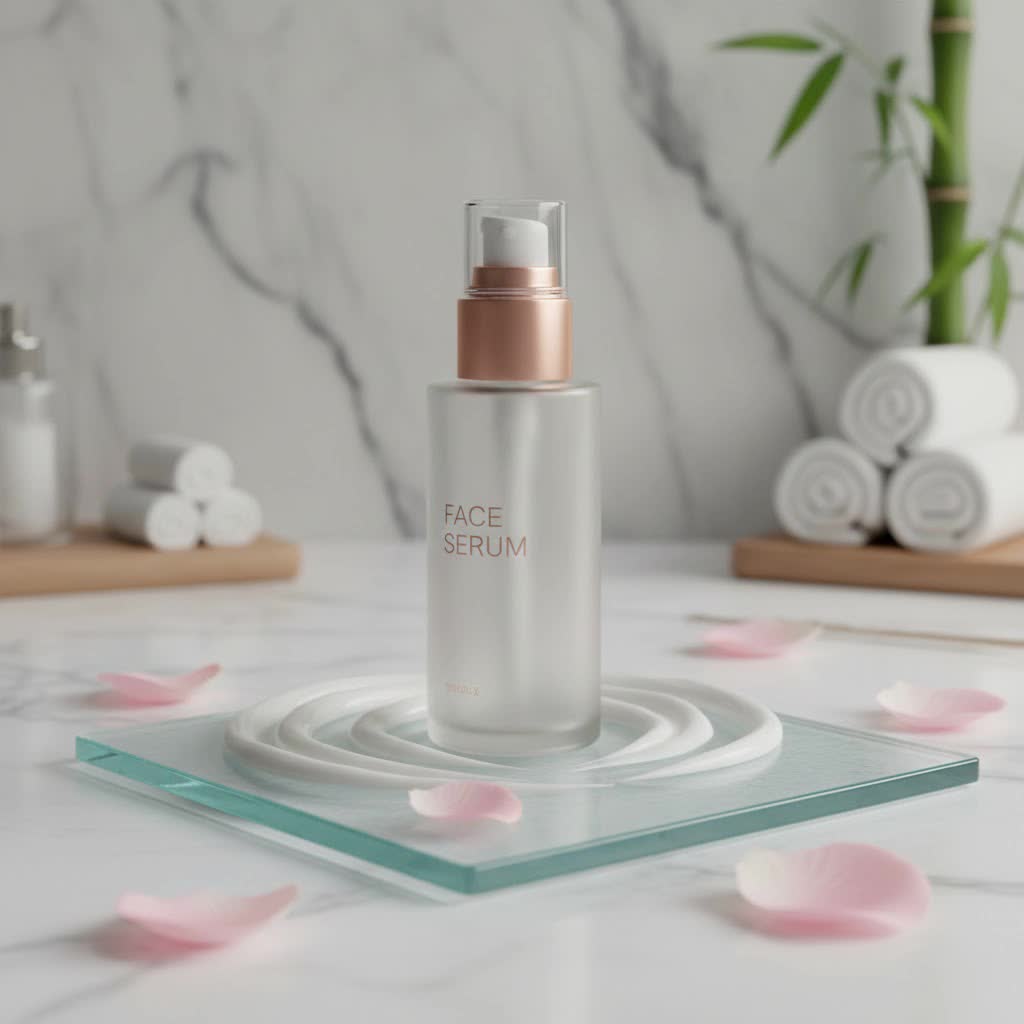
2. Face Serum: Everything You Need to Know
A face serum is a lightweight skincare product designed to deliver highly concentrated active ingredients deep into the skin. Unlike moisturizers, which primarily form a protective barrier on the skin’s surface, serums are typically thinner in viscosity, allowing their potent formulas to penetrate more effectively and target specific concerns like dehydration, dullness, or signs of aging.
2.1. What is Face Serum?
|
Our Picks for the Best Face Serum in 2026
As an Amazon Associate I earn from qualifying purchases.
|
||
| Num | Product | Action |
|---|---|---|
| 1 | medicube PDRN Pink Peptide Serum with Salmon DNA - Pink Glow Serum with Peptides & Niacinamide for Hydration & Firm-Looking Skin - Uneven Tone Care - Korean Skincare, 1.01 fl. Oz |

|
| 2 | TruSkin Vitamin C Serum for Face – Anti Aging Face Serum with Hyaluronic Acid & Vitamin E – Brightening Formula for Improving Appearance of Dark Spots, Fine Lines & Wrinkles – All Skin Types, 1 fl oz |
|
| 3 | The Ordinary Hyaluronic Acid 2% + B5 (with Ceramides), Multi-Depth Hydration Serum for Plumper, Smoother Skin |
|
| 4 | Salmon DNA PPRN Serum, 5000ppm Salmon Egg DNA & 2000ppm Collagen, with Glutathione, Niacinamide & 6 Hyaluronic Acids, Korean Anti-Aging Face Serum for Wrinkles and Radiance, 1.5 fl oz, 30 Count |
|
| 5 | La Roche-Posay Hyalu B5 Pure Hyaluronic Acid Serum for Face, Vitamin B5 + Hyaluronic Acid + Madecassoside, Hydrating Serum Visibly Plumps Skin, Sensitive Skin Safe, Anti Aging, Oil-Free |
|
| 6 | medicube PDRN Pink Peptide Serum with Rose PDRN - Vegan Pink Glow Serum with Peptides & Niacinamide for Hydration & Firm-Looking Skin - Uneven Tone Care - Korean Skincare, 1.01 fl. Oz |
|
| 7 | The Ordinary Niacinamide 10% + Zinc 1%, Smoothing Serum for Blemish-Prone Skin |
|
| 8 | Good Molecules Hyaluronic Acid Serum - 1% Hyaluronic Acid Non-greasy Ultra Hydrating Serum, Facial Moisturizer for Plumper Skin, Skin Care for Face |
|
| 9 | Dr Sebagh Platinum Gold Elixir Travel Size (0.17 fl oz) - Luxury Anti Aging Serum with 24K Gold & Platinum - Hydrating Facial Serum for Women & Men - Anti Wrinkle & Antioxidant Skin Care |
|
| 10 | Vichy LiftActiv Vitamin C Serum For Face, Brightening Serum With Pure Vitamin C + Hyaluronic Acid + Vitamin E, Reduces Fine Lines, Smooths Skin Texture, Improves Radiance, Anti Aging |
|
A face serum is a topical product with a thin viscosity that contains concentrated amounts of active ingredients, allowing larger amounts of these molecules to penetrate the skin’s surface for optimal effectiveness. This deeper penetration helps address skin issues more efficiently than traditional moisturizers. Serums are usually water-based, though some oil-based options exist, making them feel light and absorb quickly.
The key difference between a serum and other skincare products like creams or lotions lies in its molecular size and concentration. Serums have smaller molecules, enabling them to dive deep into skin layers and deliver potent ingredients precisely where they are needed most. Moisturizers, on the other hand, create a protective barrier to seal in hydration and prevent water loss. For comprehensive skincare, using both a serum and a moisturizer is often recommended.
2.2. Common Ingredients in Hydrating Face Serums
The efficacy of a hydrating face serum largely depends on its active ingredients. Here are some of the most common and effective components found in hydrating serums:
- Hyaluronic Acid (HA): This superstar humectant can hold up to 1,000 times its weight in water, making it incredibly effective at plumping and hydrating the skin. Look for formulas that include multi-molecular weights of HA for both surface and deeper penetration. It helps skin appear fresh, plump, and can temporarily minimize the appearance of fine lines.
- Glycerin: Another highly effective humectant that draws moisture into the skin and supports barrier function, providing robust, long-lasting hydration.
- Ceramides: Crucial for repairing and strengthening the skin’s natural barrier, ceramides prevent water loss and protect against irritants. They are particularly beneficial for dry or compromised skin.
- Niacinamide (Vitamin B3): A versatile ingredient that benefits almost every skin type. It helps regulate oil production, minimize pores, reduce redness, and support the skin’s natural hydration mechanisms.
- Panthenol (Pro-Vitamin B5): This ingredient soothes while hydrating, making it ideal for sensitive or irritated skin. It also aids in making skin appear smoother and more hydrated.
- Peptides: Short chains of amino acids that serve as building blocks for proteins like collagen and elastin, helping to plump fine lines and support skin structure.
- Squalane: A highly effective emollient and natural antioxidant that helps to hydrate and soften the skin.
- Vitamin C: While known for brightening, Vitamin C also hydrates, protects the skin from environmental damage, and promotes collagen production.
2.3. Benefits of Using a Face Serum
Incorporating a hydrating face serum into your routine offers a multitude of benefits, enhancing overall skin health and appearance:
- Deep Hydration: Serums penetrate deeper than moisturizers, delivering concentrated hydrating ingredients where they are most needed, leading to plumper, more supple skin.
- Improved Skin Barrier: Ingredients like ceramides and niacinamide strengthen the skin’s natural barrier, helping to prevent water loss and protect against external stressors.
- Reduced Appearance of Fine Lines and Wrinkles: By deeply hydrating and plumping the skin, serums can temporarily minimize the visibility of fine lines and contribute to a smoother texture.
- Radiant and Even Skin Tone: Proper hydration can make the skin look brighter and more uniform, contributing to a natural, healthy glow.
- Soothing Sensitive Skin: Lightweight, fragrance-free hydrating serums can calm irritation and reduce redness, making them suitable for sensitive or acne-prone skin.
- Quick Absorption: Serums are lightweight and absorb quickly, making them an ideal first step in your skincare routine before heavier products.
2.4. Popular Types of Face Serums
While the focus here is on hydrating serums, it’s helpful to understand their place within the broader serum landscape:
- Hydrating Serums: Designed to add and retain moisture, primarily featuring hyaluronic acid, glycerin, and ceramides.
- Brightening Serums: Target dullness and uneven skin tone, often containing Vitamin C, glycolic acid, or licorice root extract.
- Anti-Aging Serums: Focus on reducing fine lines and wrinkles, with ingredients like retinol, peptides, and antioxidants.
- Acne-Fighting Serums: Help reduce breakouts and control oil, typically including salicylic acid or niacinamide.
2.5. Comparison Table: Hydrating Serum Ingredients and Benefits
| Ingredient | Primary Benefit | Skin Types Suited For | Key Products Often Found In |
|---|---|---|---|
| Hyaluronic Acid | Deep hydration, plumping, reduces fine lines | All | Serums for intense hydration, anti-aging |
| Ceramides | Strengthens skin barrier, prevents water loss | Dry, Sensitive, All | Barrier repair serums, nourishing formulas |
| Glycerin | Draws moisture, long-lasting hydration | All | Hydrating serums, often combined with HA |
| Niacinamide | Regulates oil, minimizes pores, reduces redness | All, Oily, Acne-Prone | Multi-tasking serums, those targeting pores and uneven tone |
| Panthenol (B5) | Soothes, hydrates, improves texture | Sensitive, Dry, All | Calming serums, post-procedure formulas |
| Peptides | Boosts collagen, improves firmness, reduces wrinkles | Mature, All | Anti-aging serums, firmness-boosting formulas |
| Vitamin C | Brightens, antioxidant protection, collagen boost | All | Brightening serums, antioxidant serums |
2.6. Choosing the Right Hydrating Face Serum for Your Skin Type
Selecting the perfect hydrating serum requires understanding your skin’s unique needs.
- Dry Skin: Opt for rich, creamy serums packed with multiple molecular weights of hyaluronic acid, ceramides, glycerin, and squalane to provide intensive, deep, and long-lasting hydration. Look for terms like “intensive” or “barrier-repair.”
- Oily or Acne-Prone Skin: Choose lightweight, non-comedogenic, gel-based formulas that provide hydration without adding heaviness or clogging pores. Ingredients like hyaluronic acid and niacinamide are beneficial as they can help regulate oil production over time.
- Combination Skin: This skin type benefits from a balanced approach. You might use a hydrating serum all over or apply more targeted formulas – for instance, a hydrating serum on drier cheeks and a niacinamide-rich serum on an oily T-zone.
- Sensitive Skin: Prioritize fragrance-free formulas with minimal ingredients. Look for gentle, proven hydrators like ceramides, panthenol, and hyaluronic acid. Always patch test new products to avoid irritation.
2.7. How to Use Face Serum Correctly
Proper application is key to maximizing the benefits of your hydrating face serum.
- Cleanse: Start with a freshly cleansed face to remove impurities and prepare your skin.
- Tone (Optional): If you use a toner, apply it after cleansing.
- Apply Serum to Damp Skin: The moisture on your skin helps the serum spread more easily and can boost its absorption. Apply 2-3 drops to your face and neck, gently pressing the product into your skin rather than rubbing it vigorously.
- Allow Absorption: Give the serum a minute or two to fully absorb into your skin before moving to the next step.
- Follow with Moisturizer: Always seal in the serum’s benefits with a moisturizer. This creates a protective barrier that locks in the hydration and active ingredients.
- Sunscreen (AM): In your morning routine, always finish with a broad-spectrum SPF to protect your skin.
“Many people mistakenly believe that only dry skin needs hydration—but that’s a myth. Even oily or acne-prone skin can be dehydrated (lacking water), which often triggers excess oil production as a compensatory mechanism.”
2.8. Where to Buy Reputable Face Serums
When purchasing face serums, especially high-performing hydrating ones, it’s crucial to buy from trusted sources to ensure product authenticity and quality. Consider:
- Authorized Retailers: Major beauty retailers (online and in-store), department stores, and the official websites of skincare brands.
- Dermatologist Offices: Many dermatologists offer medical-grade skincare products.
- Reputable Online Platforms: Platforms that specifically focus on product discovery and trials, allowing you to test mini-sizes before committing to a full purchase.
2.9. Important Considerations When Using Face Serums
While generally safe, keep these points in mind for optimal use:
- Potential Side Effects: While rare with hydrating serums, some individuals might experience mild irritation, redness, or breakouts, especially when introducing new ingredients or if they have highly sensitive skin. Always perform a patch test.
- Product Layering: Apply products from thinnest to thickest consistency. If using multiple serums, allow each to absorb before applying the next. Consider alternating highly active ingredients (like retinoids or strong acids) with your hydrating serum to avoid overwhelming the skin.
- Consistency is Key: Visible results typically appear within 2-4 weeks of consistent use. Don’t get discouraged if you don’t see immediate changes.
- Storage: Store serums in a cool, dark place, away from direct sunlight and extreme temperatures, to maintain ingredient stability.
2.10. Buying Guide: Your Secret to Selecting the Perfect Hydrating Face Serum
Navigating the vast world of hydrating face serums can be overwhelming, but a systematic approach helps.
- Identify Your Skin Type and Primary Concerns: Are you dealing with dryness, oiliness, sensitivity, or fine lines? Your skin type is the biggest factor in choosing a serum.
- Research Key Ingredients: Look for the powerhouses like multi-molecular weight hyaluronic acid, ceramides, glycerin, and niacinamide, depending on your needs. Understand what each ingredient does.
- Read Reviews and Compare Products: User reviews, dermatologist recommendations, and professional articles offer valuable insights into product performance and suitability for different skin types.
- Check for Formulations: Consider whether you prefer a lightweight gel or a richer, creamier texture. Ensure the product is non-comedogenic if you have oily or acne-prone skin.
- Choose Reputable Brands: Opt for established brands known for their transparency, ingredient quality, and efficacy.
- Consider Your Budget: Hydrating serums are available across various price points. Excellent options exist at every budget, so you don’t always need to splurge for effective results.
Conclusion
Embracing the right hydrating face serum can profoundly enhance your skincare routine, leading to a complexion that feels comfortable, looks plump, and radiates a healthy glow. Remember, hydration is the bedrock of resilient skin, helping it to better protect itself from environmental stressors and maintain its youthful vibrancy. By understanding your skin type, knowing key ingredients, and committing to consistent use, you can unlock the full potential of these powerful elixirs.
What steps will you take to find your perfect hydrating face serum and achieve your skin goals?
Frequently Asked Questions
What is the difference between a hydrating serum and a moisturizer?
A hydrating serum primarily adds water to the skin through concentrated ingredients that penetrate deeply, while a moisturizer creates a protective barrier to lock in that hydration and prevent water loss. Both are crucial for complete skin health, with the serum working from within and the moisturizer sealing the benefits on the surface.
Can I use a hydrating serum every day?
Yes, most hydrating serums are gentle enough for daily use, typically applied twice a day—morning and evening—after cleansing and before moisturizing. Consistent application is key to achieving and maintaining optimal hydration levels and visible results.
How do I know if my skin is dehydrated versus dry?
Dry skin lacks oil and often feels flaky, tight, or rough. Dehydrated skin, on the other hand, lacks water and can affect any skin type (even oily), leading to dullness, tightness, and more visible fine lines. A simple test is to pinch your skin; if it wrinkles easily, it might be dehydrated.
Should I apply hydrating serum to wet or dry skin?
It’s generally recommended to apply hydrating serums, especially those with hyaluronic acid, to slightly damp skin. This helps the humectant ingredients draw moisture from the environment into your skin, enhancing absorption and effectiveness, rather than pulling moisture from deeper skin layers.
Can men use hydrating serums?
Absolutely. Skincare products, including hydrating serums, are gender-neutral and beneficial for everyone. Men can use hydrating serums to address common concerns like dryness, dullness, post-shave irritation, and the appearance of fine lines, contributing to healthier and more comfortable skin.
