As we navigate the journey of life, our skin subtly tells tales of every laugh line and sun-kissed memory. While aging is a beautiful process, the desire to maintain a radiant, youthful complexion often leads us to seek effective skincare solutions. Among the vast array of products, face serums stand out as potent elixirs, specifically formulated to target and diminish the visible signs of aging, helping you unlock healthier, more luminous skin.
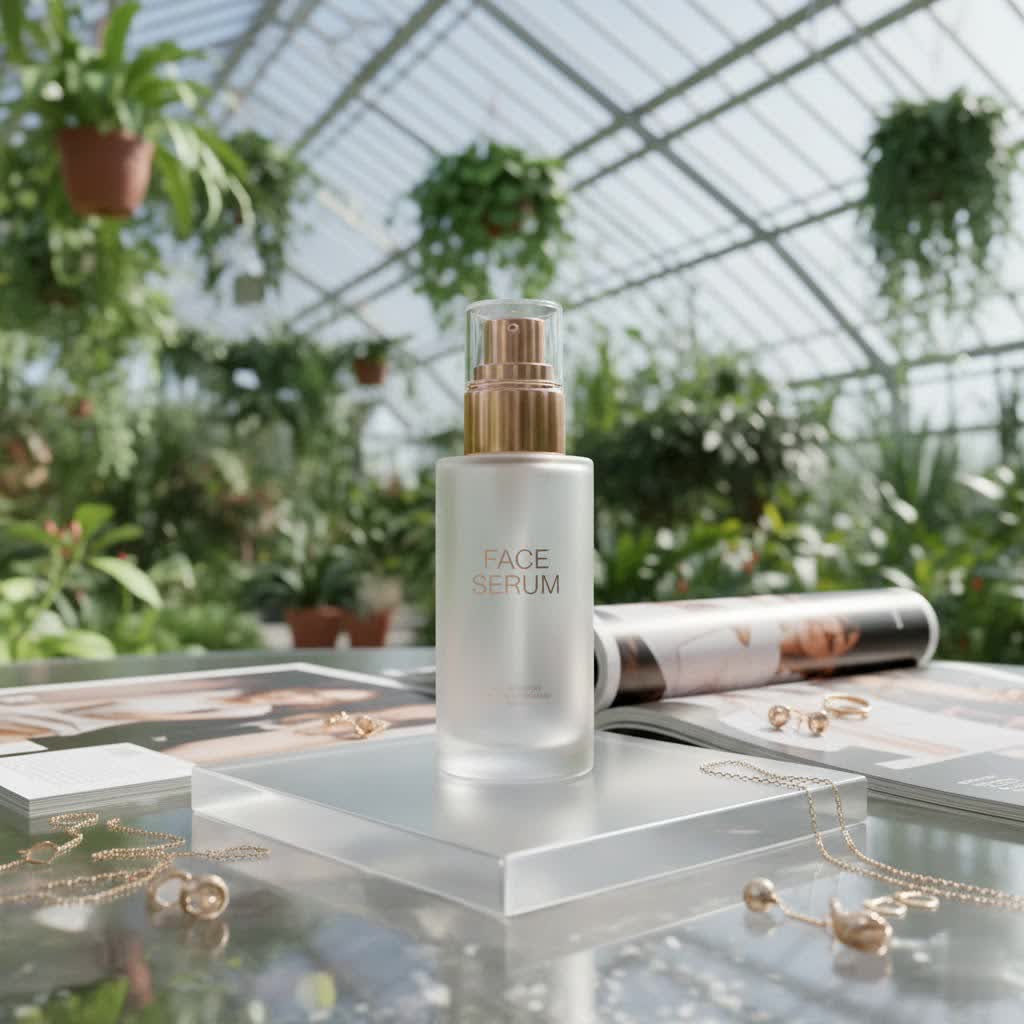
2. Face Serum: Everything You Need to Know
2.1. What is Face Serum?
|
Our Picks for the Best Face Serum in 2026
As an Amazon Associate I earn from qualifying purchases.
|
||
| Num | Product | Action |
|---|---|---|
| 1 | La Roche-Posay Hyalu B5 Pure Hyaluronic Acid Serum for Face, Vitamin B5 + Hyaluronic Acid + Madecassoside, Hydrating Serum Visibly Plumps Skin, Sensitive Skin Safe, Anti Aging, Oil-Free |

|
| 2 | Salmon DNA PPRN Serum, 5000ppm Salmon Egg DNA & 2000ppm Collagen, with Glutathione, Niacinamide & 6 Hyaluronic Acids, Korean Anti-Aging Face Serum for Wrinkles and Radiance, 1.5 fl oz, 30 Count |
|
| 3 | Vichy LiftActiv Vitamin C Serum For Face, Brightening Serum With Pure Vitamin C + Hyaluronic Acid + Vitamin E, Reduces Fine Lines, Smooths Skin Texture, Improves Radiance, Anti Aging |
|
| 4 | medicube PDRN Pink Peptide Serum with Salmon DNA - Pink Glow Serum with Peptides & Niacinamide for Hydration & Firm-Looking Skin - Uneven Tone Care - Korean Skincare, 1.01 fl. Oz |
|
| 5 | medicube PDRN Pink Peptide Serum with Rose PDRN - Vegan Pink Glow Serum with Peptides & Niacinamide for Hydration & Firm-Looking Skin - Uneven Tone Care - Korean Skincare, 1.01 fl. Oz |
|
| 6 | TruSkin Vitamin C Serum for Face – Anti Aging Face Serum with Hyaluronic Acid & Vitamin E – Brightening Formula for Improving Appearance of Dark Spots, Fine Lines & Wrinkles – All Skin Types, 1 fl oz |
|
| 7 | The Ordinary Hyaluronic Acid 2% + B5 (with Ceramides), Multi-Depth Hydration Serum for Plumper, Smoother Skin |
|
| 8 | Good Molecules Hyaluronic Acid Serum - 1% Hyaluronic Acid Non-greasy Ultra Hydrating Serum, Facial Moisturizer for Plumper Skin, Skin Care for Face |
|
| 9 | The Ordinary Niacinamide 10% + Zinc 1%, Smoothing Serum for Blemish-Prone Skin |
|
| 10 | Dr Sebagh Platinum Gold Elixir Travel Size (0.17 fl oz) - Luxury Anti Aging Serum with 24K Gold & Platinum - Hydrating Facial Serum for Women & Men - Anti Wrinkle & Antioxidant Skin Care |
|
A face serum is a lightweight, highly concentrated skincare product designed to deliver active ingredients directly to the skin. Unlike moisturizers, which primarily hydrate and create a barrier on the skin’s surface, serums penetrate deeper, targeting specific concerns with a powerful punch of ingredients. They are typically thinner than creams and lotions, often with a gel-like or watery consistency, allowing for quick absorption and intense treatment. Serums act as a targeted treatment, addressing issues like wrinkles, fine lines, dark spots, and loss of firmness, preparing the skin for subsequent moisturizing steps.
2.2. Common Ingredients in Face Serums
The efficacy of a face serum largely depends on its active ingredients, each meticulously chosen for its unique benefits to aging skin. Understanding these components can help you select the most suitable serum for your needs.
- Retinoids (Retinol, Retinaldehyde): Derivatives of Vitamin A, retinoids are powerhouses for anti-aging. They stimulate collagen production, accelerate cell turnover, and improve skin texture, significantly reducing the appearance of fine lines, wrinkles, and hyperpigmentation. Regular use can lead to firmer, smoother skin.
- Bakuchiol: Often hailed as “nature’s retinol,” bakuchiol offers similar anti-aging benefits to retinoids—increasing cell turnover and reducing lines—but with less irritation, making it an excellent alternative for sensitive skin types or during pregnancy.
- Vitamin C (L-Ascorbic Acid): A potent antioxidant, Vitamin C brightens the complexion, fades dark spots, and protects the skin from environmental damage caused by free radicals. It also plays a crucial role in collagen synthesis, contributing to firmer skin.
- Hyaluronic Acid: This humectant is a magnet for moisture, capable of holding up to 1,000 times its weight in water. It deeply hydrates and plumps the skin, instantly diminishing the appearance of fine lines and creating a smoother, more supple surface.
- Peptides: These short chains of amino acids are the building blocks of proteins like collagen and elastin. When applied topically, peptides signal the skin to produce more collagen, improving firmness, elasticity, and overall skin plumpness.
- Niacinamide (Vitamin B3): A versatile ingredient, niacinamide helps strengthen the skin barrier, reduces inflammation and redness, minimizes the appearance of pores, and improves uneven skin tone and texture. It can also help mitigate potential irritation from other potent actives.
- Ferulic Acid: An antioxidant that works synergistically with Vitamin C and E to enhance their stability and efficacy. It further boosts protection against free radical damage and helps address age spots and wrinkles.
- Alpha Hydroxy Acids (AHAs) & Beta Hydroxy Acids (BHAs): AHAs (like lactic and glycolic acid) exfoliate the skin’s surface, improving texture, brightening, and reducing fine lines. BHAs (like salicylic acid) penetrate oil to unclog pores, making them beneficial for aging skin prone to breakouts or texture issues.
2.3. Benefits of Using Face Serum
Incorporating a face serum into your daily routine can offer a multitude of benefits for aging skin, making it a cornerstone of an effective anti-aging regimen.
- Improves Wrinkles and Fine Lines: Serums packed with retinoids, peptides, and antioxidants actively work to smooth out existing lines and prevent new ones from forming by boosting collagen and accelerating cell renewal.
- Brightens and Evens Skin Tone: Ingredients like Vitamin C and niacinamide are highly effective in reducing hyperpigmentation, sunspots, and dullness, leading to a more radiant and uniform complexion.
- Deeply Hydrates and Restores Skin: Hyaluronic acid and ceramides penetrate the skin to deliver intense moisture, plumping up the skin and supporting its natural barrier function, resulting in a softer, more resilient feel.
- Firms and Lifts Sagging Skin: Peptides and retinoids stimulate collagen and elastin production, essential proteins for maintaining skin’s structure and firmness, thereby counteracting sagging and improving overall skin elasticity.
- Reduces Breakouts and Blemishes: For mature skin that still experiences breakouts, serums with ingredients like salicylic acid or adapalene can help clear pores while simultaneously addressing signs of aging.
2.4. Popular Types of Face Serums on the Market
The diverse range of face serums caters to virtually every aging skin concern, allowing for targeted and effective treatment.
- Hydrating Serums: Primarily feature hyaluronic acid, glycerin, or ceramides to intensely moisturize and plump the skin, reducing dehydration lines.
- Brightening Serums: Rich in Vitamin C, alpha arbutin, or niacinamide, these serums target dark spots, sun damage, and uneven skin tone to reveal a more luminous complexion.
- Anti-Aging/Wrinkle Serums: Often contain retinoids, peptides, or growth factors to stimulate collagen, firm the skin, and diminish the appearance of fine lines and wrinkles.
- Firming Serums: Focus on ingredients like peptides and certain growth factors to improve skin elasticity and reduce sagging, creating a more lifted appearance.
- Acne-Fighting Anti-Aging Serums: Combine exfoliating acids (AHAs/BHAs) or retinoids with soothing ingredients to address both breakouts and signs of aging.
2.5. Comparative Overview of Key Face Serum Ingredients for Aging Skin
| Ingredient Category | Primary Benefit for Aging Skin | Target Concerns | Best For Skin Types | Potential Considerations |
|---|---|---|---|---|
| Retinoids | Collagen stimulation, cell turnover, wrinkle reduction | Fine lines, wrinkles, texture, hyperpigmentation | All (introduce slowly for sensitive) | Can cause irritation, sun sensitivity (use SPF) |
| Bakuchiol | Retinol-like effects without irritation | Fine lines, wrinkles, elasticity | Sensitive, dry, pregnant/breastfeeding (consult doctor) | Milder effects than potent retinoids, generally well-tolerated |
| Vitamin C | Brightening, antioxidant protection, collagen support | Dark spots, dullness, environmental damage | All | Can be unstable, some forms may irritate very sensitive skin |
| Hyaluronic Acid | Deep hydration, plumping | Dehydration, fine lines, loss of plumpness | All | Needs moisture in the air to draw from, can feel sticky if too much |
| Peptides | Firmness, elasticity, collagen production | Sagging skin, loss of firmness, lines | All | Results may take longer to appear |
| Niacinamide | Barrier support, soothing, tone evening | Redness, uneven tone, enlarged pores, texture | All (especially sensitive, acne-prone) | Generally well-tolerated, rare flushing at high concentrations |
2.6. How to Choose the Right Face Serum for Your Skin Type
Selecting the ideal face serum involves understanding your skin’s unique needs and concerns. A serum should complement your skin type while addressing specific signs of aging.
- Dry Skin: Opt for hydrating serums rich in hyaluronic acid, ceramides, and nourishing oils. These ingredients replenish moisture, strengthen the skin barrier, and reduce the appearance of dry fine lines.
- Oily Skin: Look for lightweight, non-comedogenic formulas containing niacinamide, salicylic acid, or gentle retinoids. These can help regulate oil production, minimize pores, and address aging concerns without exacerbating oiliness.
- Combination Skin: A multi-tasking serum with a blend of ingredients like hyaluronic acid for hydration and niacinamide for oil control and barrier support can be highly effective. You might also consider alternating serums for different areas of your face.
- Sensitive Skin: Prioritize serums with soothing ingredients like bakuchiol (as a retinol alternative), ceramides, and green tea extract. Always patch test new products and introduce active ingredients gradually, starting with lower concentrations. Avoid serums with strong fragrances or harsh chemicals.
- Mature Skin (Post-Menopause): Serums specifically formulated for mature skin, often containing proxylane, cassia extract, vitamins B3-C-E, and omega fatty acids, can help address concerns like loss of density, deep wrinkles, and intense dryness.
2.7. How to Use Face Serum Correctly
To maximize the benefits of your anti-aging face serum, proper application is key.
- Cleanse: Start with a clean face. Use a gentle cleanser to remove makeup, dirt, and impurities.
- Tone (Optional): If you use a toner, apply it after cleansing to prepare your skin to absorb the serum.
- Apply Serum: Dispense a small amount (2-3 drops or a pea-sized amount) onto your fingertips. Gently pat and press the serum evenly over your face and neck. Avoid rubbing vigorously; allow the product to absorb naturally.
- Wait: Give the serum a minute or two to fully sink into your skin before moving to the next step.
- Moisturize: Follow with your preferred moisturizer to lock in the serum’s active ingredients and provide additional hydration.
- Sun Protection (Daytime): Always finish your morning routine with a broad-spectrum SPF 30 or higher. This is arguably the most crucial step in anti-aging, protecting your skin from further damage.
“When it comes to using anti-aging serums, it’s best to apply at night after you’ve cleansed and toned your skin, but before you moisturize. This way, those active ingredients can really get to work deep down into your skin overnight.” – Dr. Sheila Malek Kassir, Board-Certified Plastic Surgeon
2.8. Where to Buy Reputable Face Serums?
When investing in a face serum, especially for anti-aging, sourcing from reputable retailers is paramount to ensure product authenticity and quality.
- Official Brand Websites: Purchasing directly from the brand’s official website guarantees you are getting genuine products.
- Authorized Retailers: Major beauty retailers like Sephora, Ulta Beauty, Nordstrom, and Dermstore are reliable sources. They often carry a wide range of brands and provide detailed product information.
- Dermatologist Offices: Many dermatologists offer medical-grade skincare lines directly in their clinics, providing expert guidance tailored to your skin.
- Reputable Online Marketplaces: While platforms like Amazon can carry skincare, it’s crucial to buy from verified sellers or the brand’s official store on the platform to avoid counterfeit products.
2.9. Important Considerations When Using Face Serums
While face serums offer remarkable benefits, a few key considerations can ensure a safe and effective experience.
- Patch Test: Before applying a new serum all over your face, perform a patch test on a small, inconspicuous area of your skin (like behind the ear or on the inner forearm) to check for any adverse reactions.
- Gradual Introduction of Actives: Potent ingredients like retinoids and high concentrations of Vitamin C should be introduced slowly into your routine. Start with a few times a week and gradually increase frequency as your skin builds tolerance to minimize irritation.
- Layering Rules: Avoid overloading your skin with too many active serums simultaneously, as this can cause irritation or reduce efficacy. Focus on one or two targeted concerns at a time.
- Pregnancy and Breastfeeding: Certain ingredients, particularly retinoids, are not recommended during pregnancy or breastfeeding. Always consult your healthcare provider and opt for safe alternatives like bakuchiol or hydrating serums.
- Sun Sensitivity: Many active ingredients, especially retinoids and AHAs, can increase your skin’s sensitivity to the sun. Consistent daily use of broad-spectrum SPF is non-negotiable.
- Storage: To maintain the stability and potency of active ingredients, store serums in a cool, dark place, away from direct sunlight and extreme temperatures. Some Vitamin C serums may benefit from refrigeration.
2.10. Buying Guide: Your Perfect Face Serum Checklist
Finding “the best” face serum is a personal journey, but this checklist can guide you toward a product that truly transforms your aging skin.
- Identify Your Primary Concern: Are you battling fine lines, dark spots, sagging, or dryness? Choose a serum whose key ingredients directly address your main concern.
- Know Your Skin Type: Select formulations suitable for oily, dry, combination, or sensitive skin to avoid irritation or ineffective results.
- Research Key Ingredients: Look for scientifically proven actives like retinoids, Vitamin C, hyaluronic acid, peptides, and niacinamide. Understand how each ingredient functions.
- Read Reviews and Testimonials: Gain insights into product performance, consistency, absorption, and potential side effects from other users. Pay attention to reviews from people with similar skin concerns.
- Check the Concentration: Higher concentrations of active ingredients can be more potent but also potentially more irritating. Start with lower percentages if you have sensitive skin.
- Consider Brand Reputation: Opt for reputable brands known for their research, quality ingredients, and transparent formulations.
- Price vs. Value: While some high-end serums deliver exceptional results, many affordable options are also highly effective. Focus on ingredients and efficacy rather than just price.
- Packaging: Look for opaque or airless pump packaging for light-sensitive ingredients like Vitamin C and retinoids to maintain their stability.
“These actives are not immediate solutions, so you do have to be invested into using them over a prolonged period of time. Sometimes you’re not going to see results until four weeks. Sometimes it’s eight weeks. It could even be 12. A lot of times, that usage is communicated by the brand, though, because it’s how they do their clinical testing.” – Manessa Lormejuste, Beauty Scientist and Product Developer
Conclusion
Embracing the signs of aging doesn’t mean we can’t strive for our healthiest, most vibrant skin. Face serums, with their concentrated power and targeted action, offer a profound way to address the complexities of aging, from diminishing wrinkles to restoring luminosity and firmness. By understanding key ingredients, listening to your skin’s needs, and committing to a consistent routine, you unlock the potential for truly ageless skin. The journey to a radiant complexion is a continuous one, enriched by informed choices and dedicated care. What steps will you take today to empower your skin’s future?
Frequently Asked Questions
What is the single best ingredient for anti-aging in a face serum?
While “best” can be subjective, retinoids (like retinol or retinaldehyde) are widely considered the gold standard by dermatologists for their unparalleled ability to stimulate collagen, accelerate cell turnover, and effectively reduce the appearance of fine lines, wrinkles, and hyperpigmentation.
How long does it take to see results from an anti-aging face serum?
Patience and consistency are key. While some individuals may notice initial improvements in hydration or brightness within a few weeks, significant changes in fine lines, wrinkles, or dark spots typically require 4 to 12 weeks of consistent daily or nightly use, as cellular renewal takes time.
Can I use multiple face serums for aging skin at once?
Yes, but with caution. It’s generally best to focus on one or two targeted concerns. If layering, apply the thinner serum first, followed by the thicker one. Avoid combining highly potent actives (like certain retinoids with strong AHAs) without expert guidance, as this can lead to irritation.
Is there an anti-aging face serum safe for sensitive skin?
Absolutely. For sensitive skin, look for serums containing bakuchiol (a gentle retinol alternative), niacinamide to strengthen the skin barrier, or hyaluronic acid for deep, soothing hydration. Always patch test and introduce new products gradually.
Should I use an anti-aging face serum in the morning or at night?
Many anti-aging serums, especially those with retinoids, are best applied at night. This allows the active ingredients to work with the skin’s natural repair processes without sun exposure. Vitamin C serums are often recommended in the morning for antioxidant protection against environmental damage. Always follow product-specific instructions.
