If you’ve ever felt your skin begging for a deeper drink, beyond what your daily moisturizer can offer, you’ve likely encountered the world of face serums. As someone who has navigated hundreds of skincare formulations over a decade, I understand the quest for truly hydrated, radiant skin. Dryness, dullness, and the early signs of aging often stem from a lack of adequate moisture at a cellular level. This comprehensive guide will demystify moisturizing face serums, revealing how these concentrated elixirs can transform your complexion and help you achieve the healthy, glowing skin you desire.
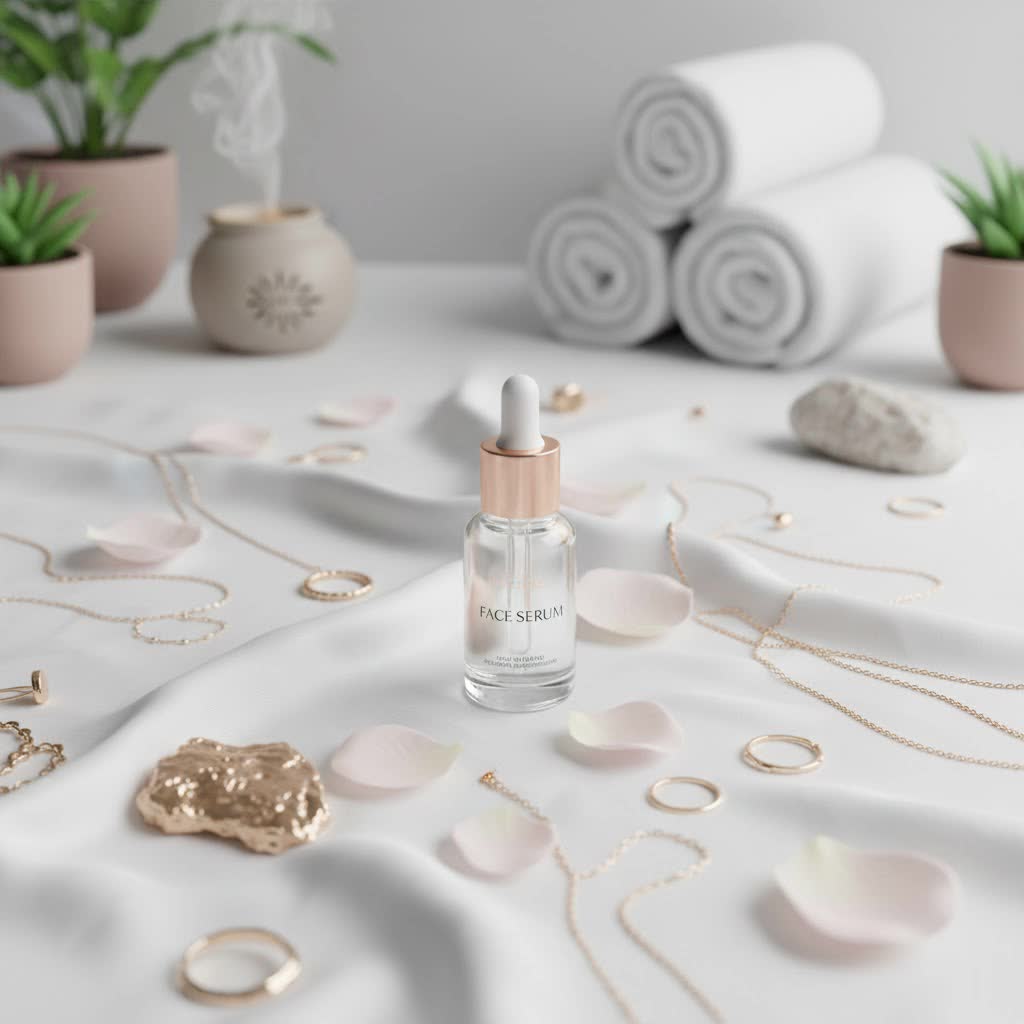
2. Face Serum: Everything You Need to Know
2.1. What is Face Serum?
|
Our Picks for the Best Face Serum in 2026
As an Amazon Associate I earn from qualifying purchases.
|
||
| Num | Product | Action |
|---|---|---|
| 1 | The Ordinary Niacinamide 10% + Zinc 1%, Smoothing Serum for Blemish-Prone Skin |

|
| 2 | Vichy LiftActiv Vitamin C Serum For Face, Brightening Serum With Pure Vitamin C + Hyaluronic Acid + Vitamin E, Reduces Fine Lines, Smooths Skin Texture, Improves Radiance, Anti Aging |
|
| 3 | medicube PDRN Pink Peptide Serum with Rose PDRN - Vegan Pink Glow Serum with Peptides & Niacinamide for Hydration & Firm-Looking Skin - Uneven Tone Care - Korean Skincare, 1.01 fl. Oz |
|
| 4 | TruSkin Vitamin C Serum for Face – Anti Aging Face Serum with Hyaluronic Acid & Vitamin E – Brightening Formula for Improving Appearance of Dark Spots, Fine Lines & Wrinkles – All Skin Types, 1 fl oz |
|
| 5 | The Ordinary Hyaluronic Acid 2% + B5 (with Ceramides), Multi-Depth Hydration Serum for Plumper, Smoother Skin |
|
| 6 | medicube PDRN Pink Peptide Serum with Salmon DNA - Pink Glow Serum with Peptides & Niacinamide for Hydration & Firm-Looking Skin - Uneven Tone Care - Korean Skincare, 1.01 fl. Oz |
|
| 7 | Good Molecules Hyaluronic Acid Serum - 1% Hyaluronic Acid Non-greasy Ultra Hydrating Serum, Facial Moisturizer for Plumper Skin, Skin Care for Face |
|
| 8 | La Roche-Posay Hyalu B5 Pure Hyaluronic Acid Serum for Face, Vitamin B5 + Hyaluronic Acid + Madecassoside, Hydrating Serum Visibly Plumps Skin, Sensitive Skin Safe, Anti Aging, Oil-Free |
|
| 9 | Salmon DNA PPRN Serum, 5000ppm Salmon Egg DNA & 2000ppm Collagen, with Glutathione, Niacinamide & 6 Hyaluronic Acids, Korean Anti-Aging Face Serum for Wrinkles and Radiance, 1.5 fl oz, 30 Count |
|
| 10 | Dr Sebagh Platinum Gold Elixir Travel Size (0.17 fl oz) - Luxury Anti Aging Serum with 24K Gold & Platinum - Hydrating Facial Serum for Women & Men - Anti Wrinkle & Antioxidant Skin Care |
|
A face serum is a lightweight, highly concentrated skincare product designed to deliver potent active ingredients directly into the deeper layers of your skin. Unlike moisturizers, which primarily form a protective barrier on the surface, serums feature smaller molecular structures that allow for more effective penetration. This targeted delivery makes them exceptionally effective at addressing specific concerns, such as dehydration, fine lines, dullness, or uneven tone.
Serums distinguish themselves from other skincare products through their specialized function. While essences are often lighter and prep the skin, and lotions are typically thinner versions of moisturizers, serums are packed with a higher concentration of active compounds. Their primary role is to provide a powerful dose of beneficial ingredients that work from within, optimizing skin health before a moisturizer locks everything in and provides surface hydration.
2.2. Common Ingredients in Face Serums
Understanding the ingredients in your moisturizing face serum is key to choosing the right product for your skin’s needs. These powerhouses work synergistically to replenish hydration and improve skin function.
- Hyaluronic Acid (HA): This renowned humectant is a moisture magnet, capable of holding up to 1,000 times its weight in water. It draws moisture from the environment into the skin, plumping it up and reducing the appearance of fine lines. Serums often feature various molecular weights of HA for both surface and deep hydration.
- Glycerin: Another effective humectant, glycerin attracts water to the skin, helping to maintain its hydration levels and smooth its texture. It’s a versatile ingredient found in many hydrating formulas.
- Niacinamide (Vitamin B3): A multifaceted ingredient, niacinamide improves the skin’s barrier function, reduces inflammation, minimizes pore appearance, and helps to balance oil production. It’s excellent for overall skin health and can significantly boost hydration retention.
- Ceramides: These lipids are crucial components of your skin barrier, acting like the “mortar” between your skin cells. Ceramide-rich serums help repair and strengthen a compromised barrier, preventing moisture loss and protecting against environmental aggressors.
- Peptides: Short chains of amino acids, peptides are the building blocks of proteins like collagen and elastin. Serums with peptides encourage collagen production, leading to firmer, more elastic skin and a reduction in wrinkles, contributing to a more youthful bounce.
- Vitamin B5 (Panthenol): Also known as pantothenic acid, Vitamin B5 deeply moisturizes and soothes the skin. It helps support the formation of skin barrier components, making it excellent for preventing moisture loss and enhancing overall skin suppleness.
- Aloe Vera: Known for its calming and healing properties, aloe vera is a natural hydrator that provides soothing relief and adds a lightweight burst of moisture, particularly beneficial for sensitive or irritated skin.
- Squalane: A highly effective emollient and natural antioxidant, squalane closely mimics the skin’s natural oils. It provides exceptional hydration, locking in moisture without feeling heavy or greasy, promoting a soft and supple complexion.
- Antioxidants (e.g., Vitamin C, Vitamin E): While primarily known for protecting against free radical damage, these antioxidants also support overall skin health, aid in skin repair, and can improve hydration levels by strengthening the skin’s resilience.
| Ingredient | Primary Benefit | Suitable Skin Type |
|---|---|---|
| Hyaluronic Acid | Intense Hydration, Plumping | All, especially dry/dehydrated |
| Niacinamide | Barrier Repair, Brightening, Oil Balance | All, especially oily/acne-prone/sensitive |
| Ceramides | Strengthens Skin Barrier, Prevents Moisture Loss | Dry, sensitive, compromised barrier |
| Peptides | Anti-Aging, Firming, Collagen Boost | Mature, fine lines, loss of elasticity |
| Vitamin B5 (Panthenol) | Soothing, Hydrating, Barrier Support | All, especially sensitive, irritated |
2.3. Benefits of Using Face Serum
Integrating a moisturizing face serum into your daily routine offers a multitude of benefits, elevating your skincare game significantly. These concentrated formulas work efficiently to deliver visible improvements to your complexion.
Firstly, the most direct benefit is deep and lasting hydration. Serums, particularly those rich in humectants like hyaluronic acid and glycerin, penetrate beyond the skin’s surface, attracting and holding moisture within the epidermal layers. This results in significantly more plump, dewy, and supple skin that feels comfortable throughout the day.
Another remarkable advantage is improved skin texture and smoothness. Dehydrated skin often appears rough, flaky, or dull. By replenishing essential moisture and supporting cell turnover, hydrating serums help to soften and refine the skin’s surface, leading to a visibly smoother and more even complexion. This also translates to an enhanced radiance and glow, as well-hydrated skin reflects light more effectively.
Moisturizing serums can also significantly contribute to the reduction of fine lines and wrinkles. When skin is optimally hydrated, it appears plumper, which temporarily diminishes the visibility of dehydration lines. Ingredients like peptides further support this by boosting collagen production, offering long-term anti-aging benefits. Moreover, these serums play a critical role in strengthening and repairing the skin barrier, which is essential for preventing future moisture loss and protecting against environmental damage.
For those with sensitive or irritated skin, many hydrating serums offer calming and soothing properties, thanks to ingredients like aloe vera or niacinamide that reduce redness and discomfort. Surprisingly, some formulations can also help in balancing natural oil production; often, oily skin overcompensates for a lack of moisture by producing more sebum, and proper hydration can help regulate this. Lastly, by creating a smooth, hydrated canvas, serums optimize the absorption of other skincare products that follow, and allow for smoother, more flawless makeup application.
2.4. Popular Types of Face Serums
While our focus here is on moisturization, it’s helpful to understand that face serums come in various types, each designed to target specific skin concerns. Many serums, however, offer overlapping benefits, combining hydration with other active ingredients.
- Hydrating Serums: These are specifically formulated to infuse the skin with moisture. They typically contain high concentrations of humectants like hyaluronic acid, glycerin, and ceramides, aiming to replenish water content and improve barrier function. This category is universally beneficial for all skin types, especially those prone to dryness or dehydration.
- Brightening Serums: Often featuring ingredients such as Vitamin C, niacinamide, and alpha hydroxy acids (AHAs), these serums work to reduce hyperpigmentation, fade dark spots, and improve overall skin radiance. Many brightening serums also offer significant hydrating benefits as a secondary effect, making them excellent multi-taskers.
- Anti-aging Serums: Targeted at combating signs of aging like fine lines, wrinkles, and loss of firmness, these serums frequently include retinol, peptides, and antioxidants. These ingredients promote cell turnover, stimulate collagen production, and protect against environmental damage, often supported by hydrating elements to prevent irritation.
- Acne-Fighting Serums: Formulated with ingredients like salicylic acid (BHA), niacinamide, and zinc, these serums aim to clear pores, reduce inflammation, and prevent breakouts. While treating acne, many also incorporate soothing and hydrating components to prevent excessive dryness or irritation.
For our purposes, a “moisturizing serum for face” most directly aligns with the Hydrating Serum category, though many Anti-aging and Brightening serums also provide significant hydration as part of their comprehensive benefits.
2.5. Comparing Different Face Serums
When navigating the vast world of face serums, it’s not about finding a single “best” product, but rather the best fit for your skin’s unique blueprint. The comparison truly comes down to the synergy of ingredients and their specific concentrations, which dictate the serum’s primary function and efficacy.
Think of it like this: a serum focused purely on hydration will often have a higher concentration of humectants like hyaluronic acid and glycerin. These are ideal for plumping and quenching thirsty skin. In contrast, an anti-aging serum might combine hyaluronic acid with peptides or retinol. Here, the hydration supports the more potent anti-aging actives, mitigating potential irritation while still offering plumping benefits. Brightening serums often blend hydrating components with Vitamin C or niacinamide, tackling dullness and uneven tone while maintaining moisture.
The key is to examine the ingredient list closely. A serum boasting “multi-molecular hyaluronic acid” suggests it targets different skin depths for comprehensive hydration, whereas one highlighting “niacinamide 10%” indicates a strong focus on barrier support and oil regulation, alongside hydration.
It’s crucial to remember that ingredient concentrations, purity, and formulation synergy all impact a serum’s performance. For instance, a beautifully formulated hydrating serum from a reputable brand might offer superior benefits compared to a product with a laundry list of ingredients that are poorly stabilized or in insufficient amounts.
2.6. How to Choose the Right Face Serum for Your Skin Type
Selecting the perfect moisturizing face serum requires understanding your skin’s specific needs and concerns. Tailoring your choice will ensure maximum benefits and avoid potential irritation.
- For Dry Skin: If your skin often feels tight, flaky, or looks dull, you need intense, long-lasting hydration. Look for serums rich in Hyaluronic Acid, Glycerin, Ceramides, and Squalane. These ingredients work to draw in and lock down moisture, repairing a compromised skin barrier. Layering a rich serum under your moisturizer can be a game-changer for perpetual dryness.
- For Oily Skin: It might seem counterintuitive, but oily skin still needs hydration, especially if it’s dehydrated (lacking water, not oil). Dehydration can trigger more oil production. Opt for lighter, non-comedogenic formulas with Niacinamide (to help balance oil and reduce pore appearance) and Hyaluronic Acid in gel or water-based textures. Avoid heavy oils that might clog pores.
- For Combination Skin: This skin type requires a balanced approach. You might consider using different serums for different areas, or a single serum with adaptable ingredients. A serum containing Hyaluronic Acid for hydration and Niacinamide for oil control in T-zone areas can be highly effective. Look for formulations that are not too heavy but provide ample moisture.
- For Sensitive Skin: Sensitivity means being cautious with potent actives. Choose serums with gentle, soothing, and barrier-supporting ingredients like Aloe Vera, Vitamin B5 (Panthenol), Ceramides, and lower concentrations of Niacinamide. Always opt for fragrance-free and hypoallergenic formulas, and perform a patch test before full application.
- For Aging Skin: While anti-aging serums are crucial, foundational hydration is equally important for mature skin to maintain elasticity and plumpness. Look for serums with Hyaluronic Acid, Peptides, and Antioxidants to help improve firmness, reduce the appearance of fine lines, and support overall skin resilience.
Remember, a “moisturizing serum” should be a cornerstone for almost any skin type, providing that deep hydration that other products might not deliver as effectively.
2.7. How to Use Face Serum Correctly
Applying your face serum correctly is crucial to maximize its effectiveness and ensure your skin fully absorbs all those beneficial ingredients. Think of it as a strategic step in your skincare ritual.
The general rule of thumb for skincare layering is to apply products from thinnest to thickest consistency. Serums, being lightweight and concentrated, typically come after cleansing and toning, but before your moisturizer.
Here’s a step-by-step guide:
- Cleanse: Start with a clean slate. Wash your face with a gentle cleanser suitable for your skin type to remove dirt, oil, and makeup. Pat your skin almost dry, leaving it slightly damp. Applying serum to slightly damp skin can significantly enhance absorption, helping the active ingredients penetrate more effectively.
- Tone (Optional but Recommended): If you use a toner, apply it after cleansing. A hydrating toner can further prep your skin, balancing its pH and adding a preliminary layer of moisture, making it even more receptive to the serum.
- Apply Serum: Dispense a small amount – usually 2-3 drops or a pea-sized amount – into your fingertips. Gently warm the serum between your palms, then lightly press and pat it evenly over your face and neck. Avoid harsh rubbing; gentle patting motions help with absorption without pulling at your skin.
- Allow Absorption: Give the serum a minute or two to fully absorb into your skin. You’ll feel it sink in, leaving your skin feeling soft and ready for the next step.
- Follow with Moisturizer: This is a non-negotiable step after serum. Your moisturizer acts as a protective seal, locking in all the powerful ingredients from your serum and providing an additional layer of hydration.
- Apply Sunscreen (Morning): In your morning routine, always finish with a broad-spectrum sunscreen to protect your skin from UV damage.
Timing Matters: Serums can be used both morning and night. For instance, a Vitamin C serum is excellent in the morning for antioxidant protection, while serums with ingredients like retinol or stronger AHAs are often best reserved for nighttime use to support skin repair and avoid sun sensitivity. Always refer to the product’s specific instructions.
2.8. Where to Buy Reputable Face Serums
Investing in a quality face serum means ensuring you’re purchasing from trusted sources. The skincare market can be saturated with imitations or poorly stored products, which can compromise efficacy or even cause harm.
Always prioritize purchasing your face serums from:
- Authorized Retailers: This includes official brand websites, reputable department stores (like Nordstrom, Sephora, Ulta), and certified beauty specialty stores. These channels guarantee product authenticity and proper storage conditions.
- Licensed Pharmacies or Dermatologist Offices: Many high-quality, clinical-grade serums are available through these avenues, often with professional guidance.
- Direct from Brand Boutiques: If a brand has its own physical store, it’s a reliable option for purchase.
Be wary of third-party online marketplaces that offer products at suspiciously low prices without clear authentication. While discounts are tempting, the risk of receiving expired, counterfeit, or improperly stored products outweighs the potential savings. Always check for verifiable seller ratings and return policies if you choose to buy online. A reputable retailer will also have clear contact information and excellent customer service should you have any questions about the product.
2.9. Important Considerations When Using Face Serum
While moisturizing face serums offer incredible benefits, a few key considerations can help ensure you get the most out of your product and avoid potential pitfalls.
Firstly, potential side effects are a crucial aspect to be aware of, especially when introducing new or highly active ingredients. Some individuals may experience mild redness, tingling, or breakouts as their skin adjusts. This is why a patch test is always recommended before full facial application. Apply a small amount to an inconspicuous area, like behind your ear or on your inner forearm, and wait 24-48 hours to check for any adverse reactions. If irritation persists or is severe, discontinue use.
Proper storage is also vital for maintaining the efficacy of your serum. Many active ingredients, especially antioxidants like Vitamin C, are sensitive to light and air. Store your serums in a cool, dark place, away from direct sunlight and extreme temperatures. Some serums, particularly those with very delicate formulations, may even benefit from refrigeration – always check the product’s instructions.
Consistency is truly key when it comes to seeing results. “Skincare is a marathon, not a sprint,” as many dermatologists often say. While some hydrating benefits might be immediate, significant improvements in skin texture, radiance, or the reduction of fine lines often require consistent daily use over several weeks or months. Don’t expect overnight miracles; patience and diligence will yield the best outcomes.
Finally, understand the principles of layering. As mentioned, serums go on clean, toned skin before moisturizers. However, if you use multiple serums (e.g., a hydrating serum and a brightening serum), apply the one with the thinnest consistency first, allowing each to absorb before applying the next. Avoid overloading your skin with too many active ingredients at once, which can sometimes lead to irritation.
2.10. Buying Guide: The Secret to Finding Your Perfect Face Serum
Navigating the diverse world of face serums can feel overwhelming, but with a strategic approach, you can confidently select the perfect moisturizing elixir for your complexion.
- Identify Your Skin Type and Primary Concerns: Before anything else, understand what your skin truly needs. Are you battling chronic dryness, fine lines, dullness, or occasional sensitivity? For example, if deep hydration is your top priority, focus on humectants. If you also have signs of aging, look for serums that combine hydration with anti-aging peptides.
- Research Key Ingredients: Armed with your identified concerns, dive into ingredient lists. Familiarize yourself with the benefits of Hyaluronic Acid, Niacinamide, Ceramides, Glycerin, and Squalane for moisturization. Match these powerhouses to your specific needs. “Don’t just buy a serum because it’s popular; buy it because its ingredients align with your skin’s unique dialogue.”
- Read Reviews, But With a Critical Eye: User reviews can offer valuable insights into texture, scent, and general user experience. However, remember that individual results vary. Look for trends in reviews regarding absorption, hydration levels, and any common concerns, but always remember your skin is unique.
- Consider Brand Reputation and Price: Opt for reputable brands known for their transparency, scientific backing, and quality formulations. While price doesn’t always equate to efficacy, extremely cheap products might skimp on ingredient quality or concentration. Find a balance between quality and what fits your budget.
- Always Patch Test New Products: This crucial step cannot be overstated. Before applying a new serum all over your face, test a small amount on an inconspicuous area for 24-48 hours to check for any adverse reactions. This protects your skin from widespread irritation.
- Start Simple and Observe: When incorporating a new serum, introduce it gradually. Don’t layer too many new active products at once. Give your skin time to adjust and observe how it responds before adding more.
By following this guide, you’ll be well-equipped to cut through the noise and discover a moisturizing face serum that truly enhances your skin’s health and radiance.
Conclusion
Embracing a moisturizing face serum is a pivotal step towards achieving deeply hydrated, radiant, and resilient skin. These concentrated elixirs work beyond surface-level hydration, delivering potent ingredients that penetrate deeply to replenish moisture, strengthen your skin’s natural barrier, and diminish concerns like fine lines and dullness. From the plumping power of hyaluronic acid to the barrier-boosting benefits of ceramides and niacinamide, the right serum can truly transform your complexion. Remember to choose a serum tailored to your specific skin type and needs, apply it correctly after cleansing and toning, and always follow with a moisturizer to lock in its benefits.
Your journey to healthier, glowing skin begins with understanding and nurturing it from within. What steps will you take today to integrate a moisturizing face serum into your routine and unlock your skin’s full potential?
Frequently Asked Questions
What is the primary difference between a moisturizing serum and a face moisturizer?
Moisturizing serums are concentrated with active ingredients and have smaller molecules, allowing them to penetrate deeper into the skin for targeted hydration. Face moisturizers are generally thicker, forming a protective barrier on the skin’s surface to lock in moisture and prevent environmental damage.
How often should I use a moisturizing face serum?
Most moisturizing face serums can be used once or twice daily, both in your morning and evening skincare routines. For optimal results, apply it consistently every day after cleansing and toning, and before your moisturizer. Always check specific product instructions.
Can oily skin benefit from a moisturizing serum?
Absolutely. Oily skin can often be dehydrated, leading to increased oil production to compensate. A lightweight, non-comedogenic moisturizing serum with ingredients like hyaluronic acid and niacinamide can provide essential hydration without clogging pores, helping to balance oil production.
Will a moisturizing serum cause breakouts?
Generally, a well-formulated moisturizing serum designed for your skin type should not cause breakouts. However, if a serum contains ingredients that don’t suit your skin, or if it’s too heavy for your skin type, it could potentially contribute to congestion. Always patch test and choose non-comedogenic formulas.
How long does it take to see results from a moisturizing serum?
While some immediate plumping and radiance can be noticed after the first few applications, significant improvements in skin texture, fine lines, and overall hydration typically become visible after consistent use for 4-6 weeks. Skincare results are cumulative and require patience.
Can I layer multiple face serums, including a moisturizing one?
Yes, you can layer multiple serums, but it’s best to do so strategically. Apply serums from the thinnest consistency to the thickest, allowing each to absorb fully before the next. Start with a hydrating serum, then follow with other targeted treatments, and always finish with your moisturizer.
Is it necessary to use a moisturizer after applying a face serum?
Yes, it is highly recommended to follow your face serum with a moisturizer. The moisturizer acts as an occlusive layer, sealing in the active ingredients of the serum and preventing moisture from evaporating, thereby maximizing the serum’s benefits and providing an additional layer of hydration and protection.
