Ever wondered how to achieve that coveted plump, hydrated glow? If your skin feels dull, dry, or shows the first signs of aging, the answer might lie in a powerful skincare hero: hyaluronic acid serum. This remarkable ingredient has become a cornerstone of modern skincare, celebrated for its ability to transform complexions from within. As a naturally occurring sugar molecule vital for maintaining skin moisture, hyaluronic acid plays a crucial role in keeping your skin supple and youthful.
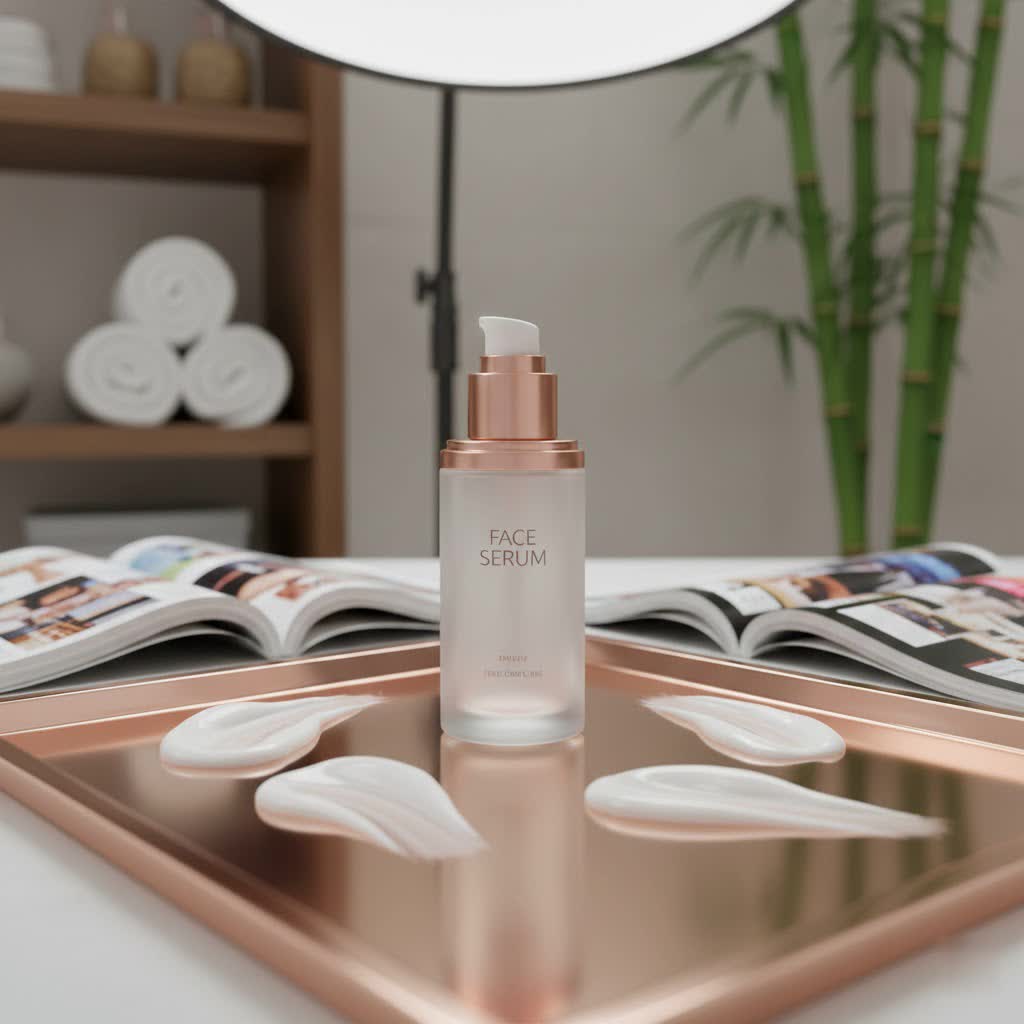
Hyaluronic acid, or HA, is naturally present in our bodies, primarily in the skin, eyes, and joints. Its fundamental function is to attract and hold water, effectively maintaining skin hydration and a naturally plump appearance. However, as we age, our body’s natural production of this vital molecule diminishes, leading to common concerns like dryness, reduced elasticity, and the visible formation of fine lines and wrinkles. Incorporating a topical hyaluronic acid serum into your routine helps replenish these declining levels, delivering a potent surge of moisture directly to your skin.
What sets hyaluronic acid serums apart from other skincare products like creams, lotions, or essences? It’s their concentrated nature and specific role as humectants. While a moisturizer primarily creates a protective barrier to minimize moisture loss, and an essence offers a lighter layer of hydration, a serum is designed to deliver a higher concentration of active ingredients deeply into the skin. HA serums specifically draw and bind water from the surrounding air, providing intensive, multi-layered hydration that results in a visibly plumper, smoother complexion. To maximize their benefits, these serums are typically applied after cleansing and before richer creams, allowing their potent ingredients to absorb effectively.
Hyaluronic acid serums often leverage a combination of different molecular weights of HA. High molecular weight HA forms a hydrating film on the skin’s surface, effectively preventing transepidermal water loss and imparting immediate smoothness. Conversely, low molecular weight HA, characterized by its smaller size, penetrates deeper into the skin layers. This deeper penetration ensures sustained hydration, stimulates the skin’s inherent HA production, and enhances overall skin elasticity and firmness. This multi-molecular approach guarantees thorough hydration across all epidermal layers.
2. Face Serum: Everything You Need to Know
2.1. What is Face Serum?
|
Our Picks for the Best Face Serum in 2026
As an Amazon Associate I earn from qualifying purchases.
|
||
| Num | Product | Action |
|---|---|---|
| 1 | medicube PDRN Pink Peptide Serum with Rose PDRN - Vegan Pink Glow Serum with Peptides & Niacinamide for Hydration & Firm-Looking Skin - Uneven Tone Care - Korean Skincare, 1.01 fl. Oz |

|
| 2 | La Roche-Posay Hyalu B5 Pure Hyaluronic Acid Serum for Face, Vitamin B5 + Hyaluronic Acid + Madecassoside, Hydrating Serum Visibly Plumps Skin, Sensitive Skin Safe, Anti Aging, Oil-Free |
|
| 3 | TruSkin Vitamin C Serum for Face – Anti Aging Face Serum with Hyaluronic Acid & Vitamin E – Brightening Formula for Improving Appearance of Dark Spots, Fine Lines & Wrinkles – All Skin Types, 1 fl oz |
|
| 4 | Salmon DNA PPRN Serum, 5000ppm Salmon Egg DNA & 2000ppm Collagen, with Glutathione, Niacinamide & 6 Hyaluronic Acids, Korean Anti-Aging Face Serum for Wrinkles and Radiance, 1.5 fl oz, 30 Count |
|
| 5 | Vichy LiftActiv Vitamin C Serum For Face, Brightening Serum With Pure Vitamin C + Hyaluronic Acid + Vitamin E, Reduces Fine Lines, Smooths Skin Texture, Improves Radiance, Anti Aging |
|
| 6 | Dr Sebagh Platinum Gold Elixir Travel Size (0.17 fl oz) - Luxury Anti Aging Serum with 24K Gold & Platinum - Hydrating Facial Serum for Women & Men - Anti Wrinkle & Antioxidant Skin Care |
|
| 7 | The Ordinary Hyaluronic Acid 2% + B5 (with Ceramides), Multi-Depth Hydration Serum for Plumper, Smoother Skin |
|
| 8 | medicube PDRN Pink Peptide Serum with Salmon DNA - Pink Glow Serum with Peptides & Niacinamide for Hydration & Firm-Looking Skin - Uneven Tone Care - Korean Skincare, 1.01 fl. Oz |
|
| 9 | Good Molecules Hyaluronic Acid Serum - 1% Hyaluronic Acid Non-greasy Ultra Hydrating Serum, Facial Moisturizer for Plumper Skin, Skin Care for Face |
|
| 10 | The Ordinary Niacinamide 10% + Zinc 1%, Smoothing Serum for Blemish-Prone Skin |
|
A face serum is a lightweight, concentrated skincare product designed to deliver high concentrations of active ingredients to the skin. Unlike moisturizers, which primarily hydrate the surface and create a barrier, serums penetrate deeper to target specific concerns such as hydration, aging, or brightening. Face serums are formulated with smaller molecules that can bypass the skin’s outer layers more effectively, allowing potent ingredients like hyaluronic acid to work at a cellular level.
Distinguishing serums from other skincare products is key to understanding their role. Lotions and creams are typically thicker and serve to moisturize and protect the skin’s surface. Essences are often more watery and prepare the skin to absorb subsequent products. Serums, however, are packed with active ingredients, providing targeted treatment. For example, a hyaluronic acid serum focuses on drawing and locking in moisture, delivering intense hydration that creams alone might not achieve.
2.2. Common Ingredients in Face Serum
Beyond the star ingredient, hyaluronic acid, several other beneficial components are frequently found in face serums, each contributing to a healthier complexion:
- Hyaluronic Acid (HA) / Sodium Hyaluronate: This core ingredient is a powerful humectant, renowned for its ability to hold up to 1,000 times its weight in water, providing unparalleled hydration and a plumping effect. Sodium hyaluronate, its salt form, has a smaller molecular weight, allowing for deeper skin penetration.
- Glycerin: Another excellent humectant that works synergistically with HA to attract and retain moisture, boosting the serum’s overall hydrating power.
- Vitamin B5 (Panthenol): Valued for its soothing and softening properties, Vitamin B5 helps improve the skin’s barrier function, reduces irritation, and promotes the skin’s natural healing process.
- Vitamin C: A potent antioxidant, Vitamin C brightens the skin, diminishes dark spots, and offers protection against environmental damage, revealing a more radiant and even skin tone.
- Niacinamide (Vitamin B3): Known for its anti-inflammatory benefits, Niacinamide effectively calms redness, minimizes the appearance of pores, regulates sebum production, and refines skin texture.
- Peptides: These short chains of amino acids signal the skin to produce more collagen, which is essential for improving skin firmness, elasticity, and reducing the look of fine lines and wrinkles.
- Ceramides: As essential lipids, ceramides fortify the skin’s natural barrier, preventing moisture loss and shielding against external irritants, leading to more resilient skin.
- Aloe Vera: This natural ingredient offers significant soothing and lightweight moisturizing properties, making it particularly beneficial for sensitive or irritated skin types.
- Beta-glucan: Known for its skin-repairing capabilities, beta-glucan can enhance the hydrating and protective effects of hyaluronic acid.
- Squalane: A highly effective emollient and antioxidant, squalane softens the skin, prevents moisture loss, and helps to maintain skin’s suppleness without feeling heavy or greasy.
2.3. Benefits of Using Face Serum
Integrating a hyaluronic acid face serum into your routine offers a myriad of advantages that significantly enhance skin health and appearance:
- Improves Fine Lines and Aging: Hyaluronic acid’s plumping effect visibly reduces the depth of fine lines and wrinkles by restoring moisture and volume to the skin. This leads to a smoother, more youthful complexion, improving skin elasticity and firmness.
- Brightens and Evens Skin Tone: By promoting optimal hydration and aiding in skin cell regeneration, hyaluronic acid contributes to a more vibrant and even skin tone, helping to diminish dullness and improve overall radiance.
- Deeply Hydrates and Restores Skin: The primary benefit of HA serum is its ability to attract and bind water, delivering intense, lasting hydration to multiple layers of the skin. This deep moisturization is crucial for maintaining a healthy, supple skin barrier.
- Reduces Acne and Blemishes: While not a direct acne treatment, hyaluronic acid can help protect the skin’s lipid barrier, reducing inflammation and irritation often associated with breakouts. Lightweight, non-comedogenic formulas can hydrate oily and acne-prone skin without exacerbating blemishes.
“Hyaluronic acid is a superstar ingredient, capable of holding up to 1,000 times its weight in water. This makes it an essential for anyone seeking deep hydration and a visibly plumper, smoother complexion.”
2.4. Popular Types of Face Serums on the Market
Face serums are formulated to address a diverse range of skin concerns, going beyond basic hydration. Here are some common types:
- Hydrating Serums: These serums primarily focus on delivering an intense moisture boost, typically featuring multi-molecular HA to ensure hydration penetrates all layers of the skin. They are essential for combating dryness and dehydration.
- Brightening Serums: Designed to enhance skin luminosity and even out complexion, these serums often combine HA with powerful ingredients like Vitamin C or Niacinamide, targeting dullness and hyperpigmentation.
- Anti-Aging Serums: Formulated to combat the visible signs of aging, these serums pair HA with ingredients such as peptides, retinol (or its natural alternative, bakuchiol), and various antioxidants to reduce fine lines, wrinkles, and improve skin firmness.
- Acne-Fighting Serums: These are typically lightweight, non-comedogenic formulations that might include ingredients like Niacinamide, Salicylic Acid, or other blemish-fighting compounds alongside HA. They hydrate without clogging pores and help soothe inflammation associated with breakouts.
- Calming/Sensitive Skin Serums: Created for easily irritated or reactive skin, these serums are often fragrance-free and incorporate soothing ingredients such as aloe vera, beta-glucan, and ceramides to provide hydration without causing irritation.
2.5. Comparison Table of Face Serums
| Feature | Hydrating Serum | Brightening Serum | Anti-Aging Serum | Acne-Fighting Serum |
|---|---|---|---|---|
| Key HA Type | Multi-molecular HA, Sodium Hyaluronate | Multi-molecular HA | Low molecular weight HA | Lightweight HA, Sodium Hyaluronate |
| Complementary Ingredients | Glycerin, Panthenol (B5), Ceramides | Vitamin C, Niacinamide, Ferulic Acid | Peptides, Retinol (Bakuchiol), Antioxidants, Vitamin C | Niacinamide, Salicylic Acid, Aloe Vera, Beta-glucan |
| Primary Benefit | Deep, multi-layered hydration, plumping | Reduces dark spots, evens tone, boosts radiance | Reduces fine lines/wrinkles, improves firmness/elasticity | Hydrates without clogging, reduces inflammation, aids healing |
| Texture | Lightweight gel, slightly viscous | Lightweight, fast-absorbing | Slightly richer gel or light cream | Very lightweight, often water-like |
| Best For | All skin types, especially dry/dehydrated | Dull skin, uneven tone, hyperpigmentation | Mature skin, visible signs of aging | Oily, acne-prone skin, breakout concerns |
| Example Brands | The Ordinary, Vichy, Cerave | The Derma Co (with Vit C), Mad Hippie (Vit C) | SkinCeuticals, Osea, StriVectin | La Roche-Posay, Isdin (some), Neutrogena |
| Price Range | Affordable to Mid-range | Mid-range to Premium | Premium | Affordable to Mid-range |
2.6. How to Choose the Right Face Serum for Each Skin Type
Selecting the ideal hyaluronic acid serum requires a thorough understanding of your specific skin type and its unique requirements:
- Dry Skin: If your skin frequently feels tight, flaky, or rough, particularly in arid climates or during winter, you need a serum that delivers intensive hydration and supports the skin barrier. Look for formulations containing multiple molecular weights of HA, ceramides, panthenol (pro-vitamin B5), and nourishing emollients like squalane or plant oils. These ingredients synergistically hydrate deeply and fortify the skin’s natural defenses.
- Oily or Acne-Prone Skin: It’s a common misconception that oily skin doesn’t need hydration. Dehydration can paradoxically trigger increased oil production. For this skin type, opt for lightweight, oil-free, non-comedogenic HA serums. Seek out complementary ingredients such as niacinamide to help regulate oil production and calm inflammation, or salicylic acid if acne is a primary concern. The goal is effective hydration without contributing to greasiness or pore blockages.
- Combination Skin: Characterized by an oily T-zone and drier cheeks, combination skin benefits from a balanced approach. A versatile, medium-weight HA serum is often the best choice. Ingredients like glycerin serve as excellent complementary humectants, and formulations that include both hyaluronic acid and sodium hyaluronate can provide stable, penetrative hydration. Mild antioxidants, such as green tea extract, can also offer additional benefits.
- Sensitive Skin: For skin that is easily irritated or reactive, simplicity in formulation is paramount. Choose hyaluronic acid serums that are explicitly fragrance-free and devoid of potential irritants like drying alcohols and parabens. Look for formulas enriched with soothing ingredients such as aloe vera, beta-glucan, and ceramides to hydrate and calm the skin without provoking adverse reactions. Always perform a patch test before full facial application.
- Mature or Aging Skin: Beyond fundamental hydration, mature skin often requires ingredients that support collagen synthesis and provide robust antioxidant protection. Seek out HA serums featuring low-molecular-weight HA for deeper penetration, combined with powerful anti-aging actives such as Vitamin C, peptides, or ferulic acid. These ingredients work to combat free radicals, stimulate collagen production, and address visible signs of aging. Hyaluronic acid derivatives, like sodium acetylated hyaluronate, can also contribute to longer-lasting hydration.
2.7. How to Use Face Serum Correctly
Incorporating a hyaluronic acid serum into your daily skincare routine is simple, but adhering to specific steps will maximize its effectiveness:
- Cleanse Your Skin: Begin with a clean face. Use your preferred gentle cleanser to remove all traces of makeup, dirt, and impurities, preparing your skin for treatment.
- Apply to Damp Skin: This step is crucial for hyaluronic acid, a powerful humectant. After cleansing, lightly pat your face, leaving it slightly moist. Alternatively, you can mist your face with a hydrating toner or plain water. Applying HA to damp skin allows it to draw water from the environment or the moisture on your skin, locking it in. Applying to dry skin in a very dry environment can potentially draw moisture out of your skin.
- Dispense Serum: Take 2-3 drops, or a pea-sized amount, of the hyaluronic acid serum onto your fingertips. Remember that a small quantity is often sufficient due to its concentrated nature.
- Gently Apply: Gently massage or pat the serum evenly over your face and neck until it is fully absorbed. Avoid harsh rubbing to prevent irritation.
- Follow with Moisturizer: Always seal in the hydration by applying a moisturizer immediately after your serum. This crucial step creates a protective barrier, trapping the hyaluronic acid and the moisture it attracts within your skin, thereby enhancing its plumping and hydrating effects. Skipping this can lead to less effective results, especially in dry conditions.
- Sun Protection (AM): For your morning routine, conclude your skincare with a broad-spectrum sunscreen to protect your skin from harmful UV damage.
2.8. Where to Buy Reputable Face Serum?
Ensuring you purchase authentic and high-quality hyaluronic acid serum is essential for effective results. Here are reliable places to buy:
- Authorized Retailers: The safest option is to buy directly from the brand’s official website or through authorized beauty retailers such as Sephora, Ulta, or reputable department stores. This significantly reduces the risk of encountering counterfeit products.
- Dermatologist’s Office: Many dermatologists carry medical-grade skincare brands and can provide personalized recommendations, ensuring you get authentic products tailored to your needs.
- Reputable Online Marketplaces: When using large online platforms (e.g., Amazon), always verify that the seller is the official brand store or a thoroughly vetted, authorized reseller. Pay close attention to customer reviews and seller ratings.
- Pharmacies and Drugstores: Many well-known and trusted drugstore brands offer excellent and affordable hyaluronic acid serums. Look for brands that are transparent about their ingredient lists and have good reputations.
- Avoid Unverified Sellers: Be extremely cautious of unusually low prices or products from unverified third-party sellers, as these can be indicators of counterfeit, expired, or compromised products.
2.9. Important Notes When Using Face Serum
While hyaluronic acid is widely considered safe and well-tolerated across most skin types, including sensitive skin, it’s beneficial to be aware of certain considerations:
- Temporary Dryness or Tightness: In extremely dry environments, if a hyaluronic acid serum is not followed by an occlusive moisturizer, it can potentially draw moisture from the deeper layers of your skin, leading to a temporary sensation of dryness or tightness. Always apply HA to damp skin and layer a rich moisturizer on top.
- Rare Irritation: Although uncommon, some individuals may experience mild irritation, redness, or itching. This is particularly possible if their skin is highly sensitive or if the serum contains other potentially irritating ingredients such as high concentrations of fragrance, essential oils, or certain preservatives. Discontinue use if irritation persists.
- Interactions with Other Actives: Hyaluronic acid itself is highly stable and generally compatible with most other active ingredients. However, if your serum contains additional potent actives, ensure they are compatible with your existing skincare regimen to prevent over-exfoliation or increased sensitivity.
- Sticky Residue: Some formulations might leave a slightly sticky residue, especially if an excessive amount of product is applied. To avoid this, opt for lightweight, fast-absorbing formulas and adhere to using only a few drops per application.
To maintain the optimal efficacy and extend the shelf life of your hyaluronic acid serum:
- Store in a Cool, Dry Place: Keep your serum away from direct sunlight, extreme heat, and high humidity, which can degrade active ingredients. A bathroom cabinet or drawer is usually suitable.
- Airtight Packaging: Serums are often packaged in opaque bottles with droppers or pumps, which are designed to protect the active ingredients from light and air exposure. Always ensure the cap or lid is tightly closed immediately after each use.
- Check Expiry Dates: Pay attention to the Period After Opening (PAO) symbol, typically a small open jar icon with a number followed by ‘M’ (e.g., “12M” for 12 months). This indicates how long the product remains effective and safe to use after it has been opened.
2.10. Buying Guide: The Secret to Choosing the Perfect Face Serum
Navigating the vast market of hyaluronic acid serums can feel daunting, but a systematic approach will guide you to a product that truly benefits your skin:
- Determine Your Skin Type and Needs: Start by clearly identifying your skin type (dry, oily, combination, sensitive, mature) and your primary skin concerns. Are you looking to target fine lines, dullness, acne, or bolster your skin barrier? This foundational understanding will significantly narrow down your choices.
- Examine Ingredients and Formulations: Look beyond just “hyaluronic acid.” Investigate whether the serum includes synergistic ingredients such as ceramides, niacinamide, Vitamin C, or peptides, depending on your specific goals. Prioritize formulations that feature multiple molecular weights of HA for comprehensive hydration.
- Consult Reviews and Compare Products: Read independent reviews from reputable beauty sources, dermatologist recommendations, and other users. Look for consistent feedback regarding the product’s efficacy, texture, and how it performs on various skin types. Compare ingredient concentrations, pricing, and brand reputation.
- Opt for Reputable Brands and Transparency: Choose brands known for their commitment to quality, scientific research, and transparent ingredient disclosure. Brands that conduct clinical testing and clearly state their HA concentration (typically 1-2% for effective results) are often a reliable choice.
- Consider Packaging: Prioritize serums packaged in opaque, airtight containers (such as pump bottles or dropper bottles). This type of packaging helps protect hyaluronic acid and other sensitive active ingredients from degradation caused by light and air exposure, preserving their stability and effectiveness.
“When choosing a hyaluronic acid serum, remember that a blend of different molecular weights is often more effective, ensuring hydration reaches multiple layers of your skin for comprehensive benefits.” – Dr. Jill Salyards, Board-Certified Dermatologist
Hyaluronic acid serum is an indispensable ally in achieving healthy, radiant skin. Its incredible capacity to attract and hold moisture offers profound hydration, visibly plumping your complexion, softening fine lines, and bolstering your skin’s natural defenses. By understanding its functions, synergistic ingredients, and how to correctly incorporate it into your daily regimen, you can unlock a revitalized and visibly smoother, more youthful appearance.
Are you ready to embrace the power of ultimate hydration for your skin?
Frequently Asked Questions
Can hyaluronic acid serum cause breakouts?
Hyaluronic acid serum itself is non-comedogenic and generally does not cause breakouts. In fact, by improving skin hydration and barrier function, it can even help reduce inflammation associated with acne. However, some formulations may contain other ingredients that could trigger breakouts in sensitive or acne-prone individuals, so always check the full ingredient list and opt for oil-free versions if you’re concerned.
How often should I use hyaluronic acid serum?
For most skin types, hyaluronic acid serum can be used daily, both in the morning and evening. Consistency is key to seeing the best results. Apply it to damp skin after cleansing and before your moisturizer to maximize its hydrating and plumping benefits.
Is hyaluronic acid safe for sensitive skin?
Yes, hyaluronic acid is generally considered very safe and beneficial for sensitive skin. It helps to strengthen the skin’s barrier and reduce irritation. If you have very sensitive skin, look for fragrance-free formulations and those without other potential irritants to minimize any risk of reaction.
Can I use hyaluronic acid with retinol or vitamin C?
Absolutely! Hyaluronic acid is an excellent ingredient to pair with potent actives like retinol and vitamin C. It helps to buffer any potential irritation from these ingredients by providing ample hydration, making your skin more tolerant and resilient. Apply hyaluronic acid serum first, then follow with your retinol or vitamin C product, and finally your moisturizer.
What is the ideal concentration of hyaluronic acid in a serum?
Most effective hyaluronic acid serums typically contain a concentration of 1% to 2% hyaluronic acid. Higher concentrations aren’t necessarily better and can sometimes lead to a sticky texture or even draw moisture from the skin if not properly sealed with a moisturizer. Look for multi-molecular weight formulations for comprehensive hydration.
Can hyaluronic acid replace my moisturizer?
No, hyaluronic acid serum should not replace your moisturizer. While it provides deep hydration by attracting water, a moisturizer creates an occlusive layer that seals in that hydration, preventing it from evaporating. For optimal results, always apply a hyaluronic acid serum to damp skin and follow it with a suitable moisturizer.
