Are you searching for the secret to smoother, brighter, and more youthful-looking skin? The answer might lie in a potent ingredient that has revolutionized skincare: retinol. Often hailed as a powerhouse, retinol face serum is a staple for many skincare enthusiasts aiming to combat signs of aging and improve overall skin health. But with so many options and application nuances, choosing and using the right retinol serum for your face can feel overwhelming. This comprehensive guide will demystify retinol, helping you understand its benefits, how it works, and how to seamlessly integrate it into your routine for a radiant complexion.
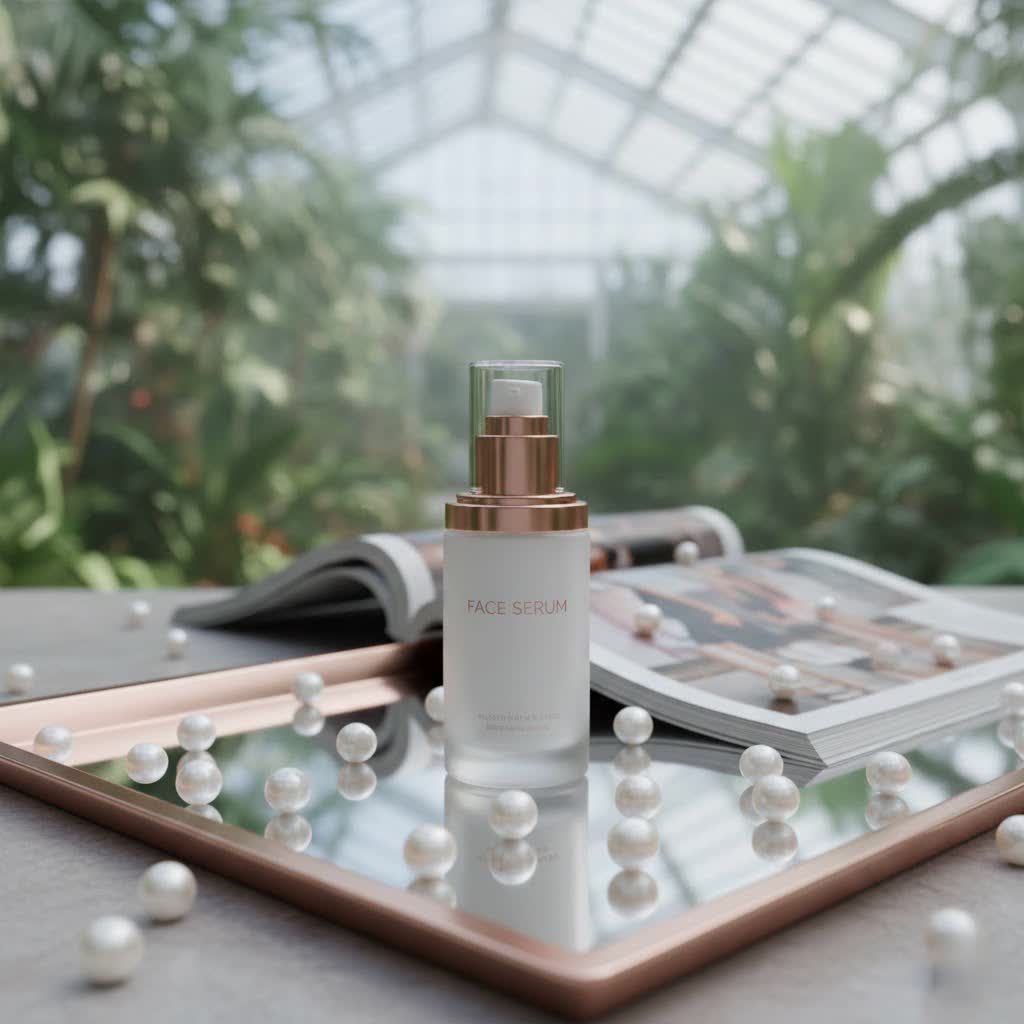
2. Face Serum: Everything You Need to Know
2.1. What is a Face Serum?
|
Our Picks for the Best Face Serum in 2026
As an Amazon Associate I earn from qualifying purchases.
|
||
| Num | Product | Action |
|---|---|---|
| 1 | The Ordinary Hyaluronic Acid 2% + B5 (with Ceramides), Multi-Depth Hydration Serum for Plumper, Smoother Skin |

|
| 2 | Dr Sebagh Platinum Gold Elixir Travel Size (0.17 fl oz) - Luxury Anti Aging Serum with 24K Gold & Platinum - Hydrating Facial Serum for Women & Men - Anti Wrinkle & Antioxidant Skin Care |
|
| 3 | Salmon DNA PPRN Serum, 5000ppm Salmon Egg DNA & 2000ppm Collagen, with Glutathione, Niacinamide & 6 Hyaluronic Acids, Korean Anti-Aging Face Serum for Wrinkles and Radiance, 1.5 fl oz, 30 Count |
|
| 4 | TruSkin Vitamin C Serum for Face – Anti Aging Face Serum with Hyaluronic Acid & Vitamin E – Brightening Formula for Improving Appearance of Dark Spots, Fine Lines & Wrinkles – All Skin Types, 1 fl oz |
|
| 5 | La Roche-Posay Hyalu B5 Pure Hyaluronic Acid Serum for Face, Vitamin B5 + Hyaluronic Acid + Madecassoside, Hydrating Serum Visibly Plumps Skin, Sensitive Skin Safe, Anti Aging, Oil-Free |
|
| 6 | Vichy LiftActiv Vitamin C Serum For Face, Brightening Serum With Pure Vitamin C + Hyaluronic Acid + Vitamin E, Reduces Fine Lines, Smooths Skin Texture, Improves Radiance, Anti Aging |
|
| 7 | medicube PDRN Pink Peptide Serum with Salmon DNA - Pink Glow Serum with Peptides & Niacinamide for Hydration & Firm-Looking Skin - Uneven Tone Care - Korean Skincare, 1.01 fl. Oz |
|
| 8 | Good Molecules Hyaluronic Acid Serum - 1% Hyaluronic Acid Non-greasy Ultra Hydrating Serum, Facial Moisturizer for Plumper Skin, Skin Care for Face |
|
| 9 | medicube PDRN Pink Peptide Serum with Rose PDRN - Vegan Pink Glow Serum with Peptides & Niacinamide for Hydration & Firm-Looking Skin - Uneven Tone Care - Korean Skincare, 1.01 fl. Oz |
|
| 10 | The Ordinary Niacinamide 10% + Zinc 1%, Smoothing Serum for Blemish-Prone Skin |
|
A face serum is a lightweight skincare product designed to deliver high concentrations of active ingredients directly to your skin. Unlike heavier creams or lotions, serums have smaller molecules that can penetrate deeper into the skin, targeting specific concerns with potent formulations. They are typically applied after cleansing and before moisturizing, allowing the active ingredients to work effectively.
While often confused with other products, face serums stand apart. Essences are generally lighter and more hydrating, prepping the skin for subsequent steps. Lotions and creams are thicker and primarily focus on moisturizing and creating a protective barrier, often containing fewer active ingredients than a serum. A retinol serum for the face, specifically, is formulated to maximize the delivery of retinol for targeted anti-aging and skin-renewing benefits.
2.2. Common Ingredients in Face Serums
While retinol is the star here, many face serums, including retinol formulas, incorporate other beneficial ingredients to enhance efficacy and mitigate potential side effects.
- Retinol (Vitamin A derivative): The primary ingredient in a retinol serum for face. It works by encouraging rapid skin cell turnover, boosting collagen production, and diminishing the appearance of fine lines, wrinkles, and hyperpigmentation. It’s a true multi-tasker for skin renewal.
- Hyaluronic Acid: Often paired with retinol, hyaluronic acid is a powerful humectant that attracts and holds up to 1,000 times its weight in water. It helps counteract the potential dryness associated with retinol use, keeping the skin plump and hydrated.
- Niacinamide (Vitamin B3): This versatile ingredient helps to calm inflammation, reduce redness, minimize pore appearance, and strengthen the skin barrier. It’s an excellent partner for retinol, as it can help soothe the skin and reduce irritation.
- Peptides: These amino acid chains are the building blocks of proteins like collagen and elastin. Peptides can signal the skin to produce more collagen, enhancing firmness and reducing the look of wrinkles, complementing retinol’s anti-aging effects.
- Vitamin C: A powerful antioxidant that brightens skin, reduces hyperpigmentation, and protects against environmental damage. While both Vitamin C and retinol are potent, they are often recommended for separate application times (Vitamin C in the morning, retinol at night) due to potential instability or irritation when combined.
2.3. Benefits of Using a Face Serum
Incorporating a retinol serum for your face into your routine can unlock a myriad of benefits, transforming your complexion over time.
- Improves Fine Lines and Wrinkles: Retinol is a champion against visible signs of aging. By boosting collagen production and accelerating cell turnover, it helps to smooth out fine lines and reduce the depth of wrinkles, leading to a firmer, more youthful appearance.
- Brightens and Evens Skin Tone: Uneven skin tone, dark spots, and hyperpigmentation are common concerns. Retinol serums help to fade these discolorations by promoting the shedding of pigmented cells and encouraging the growth of new, evenly toned skin cells.
- Deep Hydration and Skin Repair: While some active serums can be drying, many are formulated with hydrating ingredients like hyaluronic acid to support the skin’s moisture barrier. Retinol itself also plays a role in skin repair and regeneration, improving overall skin resilience.
- Reduces Acne and Blemishes: Retinol is not just for anti-aging; it’s also effective for acne-prone skin. It helps to unclog pores by preventing dead skin cells from accumulating, reducing blackheads, whiteheads, and even inflammatory acne breakouts. Its exfoliating properties also help to fade post-acne marks.
- Refines Skin Texture: Beyond specific concerns, retinol works to generally improve the skin’s texture, making it feel smoother and softer to the touch. It can also minimize the appearance of enlarged pores, giving the skin a more refined finish.
2.4. Popular Types of Face Serums on the Market
Face serums are categorized by their primary active ingredients and the concerns they target. While our focus is on retinol, understanding the landscape of serums helps appreciate its unique role.
- Hydrating Serums: These typically feature hyaluronic acid, ceramides, or glycerin to intensely moisturize and plump the skin, alleviating dryness and dehydration.
- Brightening Serums: Often containing Vitamin C, alpha arbutin, or licorice root extract, these serums aim to reduce dark spots, hyperpigmentation, and enhance overall skin radiance.
- Anti-Aging Serums: This broad category includes retinol serums, peptide serums, and antioxidant-rich formulas designed to combat wrinkles, loss of firmness, and environmental damage. Retinol serum for face is considered a gold standard in this category.
- Acne-Fighting Serums: Ingredients like salicylic acid, niacinamide, or tea tree oil are common in these serums, which target breakouts, control oil production, and calm inflammation.
- Exfoliating Serums: Containing AHAs (like glycolic or lactic acid) or BHAs (salicylic acid), these serums chemically exfoliate the skin to remove dead cells, improve texture, and enhance glow.
2.5. Comparison Table: Popular Retinol Face Serums
Choosing the “best” retinol serum for your face depends on your skin type, concerns, and tolerance. Here’s a general comparison to illustrate how products can vary. (Note: Specific product details, concentrations, and pricing are subject to change and vary by region).
| Feature | Beginner-Friendly Retinol Serum (e.g., The Ordinary Granactive Retinoid 2% Emulsion) | Mid-Strength Retinol Serum (e.g., CeraVe Resurfacing Retinol Serum) | High-Strength Retinol Serum (e.g., Paula’s Choice Clinical 1% Retinol Treatment) |
|---|---|---|---|
| Retinoid Type | Granactive Retinoid (gentler, less irritation) | Encapsulated Retinol (gradual release) | Pure Retinol (potent, direct action) |
| Concentration | Equivalent to 0.05% – 0.1% Retinol | Approximately 0.3% Retinol | 1% Retinol |
| Key Benefits | Gentle anti-aging, improved texture, minimal irritation | Fine lines, post-acne marks, texture, brightening | Deep wrinkles, stubborn hyperpigmentation, advanced anti-aging |
| Additional Ingredients | Squalane, various emollients | Niacinamide, Ceramides, Hyaluronic Acid | Peptides, Vitamin C, Licorice Extract, Oat Extract |
| Skin Type Focus | Sensitive, Dry, First-time users | Normal, Combination, Oily, Acne-prone | Resilient, Mature, Experienced retinol users |
| Approx. Price Range | Affordable | Mid-range | Higher-end |
Disclaimer: Always check product labels for the most accurate ingredient lists and concentrations.
2.6. How to Choose the Right Face Serum for Your Skin Type
Selecting the ideal retinol serum for your face is crucial for optimal results and to avoid irritation. Your skin type and concerns are your guiding principles.
- For Dry Skin: Look for retinol serums formulated with hydrating and barrier-supporting ingredients like hyaluronic acid, ceramides, or squalane. Creamier retinol formulations or those with lower concentrations (0.01-0.03%) may be more suitable to prevent excessive dryness and flaking. The “sandwich method” (moisturizer, retinol, moisturizer) is particularly beneficial here.
- For Oily and Acne-Prone Skin: Oily skin can often tolerate higher concentrations of retinol. Gel or lightweight serum textures are usually preferred. Retinol’s ability to regulate sebum production and prevent clogged pores makes it highly effective for these skin types, helping to reduce breakouts and minimize enlarged pores.
- For Combination Skin: This skin type can benefit from a balanced approach. Start with a mid-range concentration (around 0.25%) and observe how different areas of your face respond. You might choose a lightweight serum that doesn’t feel too heavy on oilier zones but still provides benefits to drier areas.
- For Sensitive Skin: Caution is key. Begin with the lowest possible concentration (0.01% or formulations with gentler retinoids like retinyl palmitate or granactive retinoid). Introduce it slowly, perhaps once or twice a week, and consider mixing it with your moisturizer or using the sandwich method. Patch testing is highly recommended. Listen to your skin and increase frequency or concentration only when your skin has fully acclimated.
2.7. How to Use Face Serum Correctly
Proper application of a retinol serum for face is vital to maximize its efficacy and minimize potential side effects.
- Cleanse Your Face: Start with a gentle cleanser to remove makeup, dirt, and impurities.
- Apply to Dry Skin: Ensure your skin is completely dry before applying retinol. Applying it to damp skin can increase absorption and potentially lead to more irritation.
- Use a Pea-Sized Amount: A little goes a long way. Dispense only a pea-sized amount of serum for your entire face and neck.
- Gently Pat: Apply the serum by gently patting it onto your face, starting from areas that are less sensitive, like your forehead, and then moving to cheeks, chin, and neck. Avoid the immediate eye area and corners of the nose and mouth if you are prone to irritation.
- Layer with Other Products:
- “Sandwich Method” for Sensitive Skin: Apply a thin layer of moisturizer, then your retinol serum, followed by another layer of moisturizer. This buffers the retinol’s intensity.
- Standard Method: If your skin is more tolerant, apply retinol after cleansing, wait a few minutes for it to absorb, then follow with a hydrating serum (like hyaluronic acid) and a rich moisturizer.
- Timing: Always use retinol serum at night. Retinol increases photosensitivity, and its efficacy is best during the skin’s natural repair cycle while you sleep.
- Sunscreen is NON-NEGOTIABLE: Because retinol makes your skin more sensitive to the sun, applying a broad-spectrum sunscreen with SPF 30 or higher every morning is absolutely essential, even on cloudy days.
“Consistency, not intensity, is the true key to unlocking retinol’s full potential. Start slow, listen to your skin, and always protect it from the sun.” – Dr. Sarah Lee, Board-Certified Dermatologist
2.8. Where to Buy Reputable Face Serums
When investing in a retinol serum for your face, authenticity and quality are paramount. Always purchase from reputable sources to ensure you receive genuine products.
- Authorized Retailers: Major beauty retailers (online and brick-and-mortar), department stores, and pharmacies that are official stockists of skincare brands.
- Brand Websites: Purchasing directly from the brand’s official website guarantees authenticity.
- Dermatologist Offices/Medical Spas: For professional-grade or prescription-strength retinoids, these are often the most reliable sources.
- Reputable Online Skincare Stores: Look for well-established online platforms with clear return policies and good customer reviews. Be wary of unauthorized third-party sellers on marketplaces, as counterfeit products can be prevalent.
2.9. Important Considerations When Using Face Serums
While retinol offers incredible benefits, it’s a potent ingredient that requires careful consideration.
- Potential Side Effects: Common initial side effects include dryness, redness, peeling, flaking, and a temporary increase in breakouts (known as “purging”). These usually subside as your skin adjusts, typically within a few weeks. If irritation is severe or persistent, reduce frequency or stop use and consult a dermatologist.
- Pregnancy and Breastfeeding: Retinoids are generally not recommended for use during pregnancy or breastfeeding. Consult your doctor if you are pregnant, planning to become pregnant, or breastfeeding.
- Storage: Store your retinol serum in a cool, dark place, away from direct sunlight and extreme temperatures. Retinol can degrade when exposed to light and air, so opt for products in opaque, air-tight packaging.
- Patience is a Virtue: Retinol takes time to show results. You might start seeing improvements in texture and brightness within 4-6 weeks, but significant changes in wrinkles and hyperpigmentation can take 3-6 months or even longer. Consistent, long-term use is key.
- Avoid Over-Exfoliation: When using a retinol serum for your face, be mindful of other exfoliating acids (AHAs/BHAs) in your routine. Over-exfoliation can compromise your skin barrier and lead to irritation. Consider alternating nights or reducing the frequency of other exfoliants.
2.10. Buying Guide: Your Perfect Retinol Face Serum
Navigating the vast world of retinol serums can be simplified by following a clear strategy:
- Understand Your Skin Type and Concerns: Are you dealing with sensitive skin and minor texture issues, or are you targeting deep wrinkles and persistent acne? Your skin’s current state dictates your starting point.
- Research Ingredients and Concentrations: For beginners or sensitive skin, start with lower concentrations (0.01% – 0.25%) or gentler retinoid forms (e.g., granactive retinoid, retinyl palmitate). As your skin builds tolerance, you can gradually increase to higher strengths (0.5% – 1%) if needed. Look for formulations with complementary hydrating and soothing ingredients.
- Read Reviews and Compare Prices: User reviews can offer insights into product efficacy and potential irritation. Compare prices across different brands and formulations to find a product that fits your budget without compromising quality. Remember that higher price doesn’t always equal better results, but investing in a reputable brand often ensures ingredient stability and proper formulation.
- Choose Reputable Brands: Stick to well-known and trusted skincare brands that are transparent about their ingredient lists and concentrations. Brands with a strong reputation for research and development are generally a safer bet.
- Patch Test: Before applying a new retinol serum for your face all over, perform a patch test on a small, inconspicuous area (like behind your ear or on your inner forearm) to check for adverse reactions.
Conclusion
Retinol serum for face is undoubtedly a skincare game-changer, offering a powerful solution for concerns ranging from fine lines and wrinkles to acne and uneven skin tone. By stimulating cell turnover and collagen production, it paves the way for a smoother, clearer, and more radiant complexion. Remember to start with a low concentration, introduce it gradually, always use sunscreen, and listen carefully to your skin’s responses. With patience and consistent application, you can unlock the transformative benefits of this remarkable ingredient.
Are you ready to embark on your retinol journey and unveil your best skin yet?
Frequently Asked Questions
How long does it take for retinol serum to show results?
While some users may notice initial improvements in skin texture and brightness within 4-6 weeks, significant changes in fine lines, wrinkles, and hyperpigmentation typically take 3-6 months of consistent use. Patience is crucial for optimal results.
Can I use retinol serum every night?
Beginners should start by applying retinol serum 1-2 times per week to allow the skin to acclimate. If your skin tolerates it well without excessive irritation, you can gradually increase the frequency to every other night, and eventually to nightly use if desired and tolerated.
What should I avoid when using retinol serum?
Avoid using other strong exfoliating acids (like AHAs and BHAs) on the same night as your retinol serum to prevent over-exfoliation and irritation. Also, it’s generally recommended to apply Vitamin C serums in the morning and retinol at night due to potential instability and irritation when combined. Always use sunscreen during the day.
Is a higher concentration of retinol always better?
Not necessarily. While higher concentrations (e.g., 1%) can deliver faster and more dramatic results for stubborn concerns, they also come with a higher risk of irritation, redness, and peeling, especially for beginners or those with sensitive skin. Starting with a lower concentration and gradually increasing is often the safest and most effective approach.
Can retinol serum cause purging?
Yes, it’s common to experience a “purging” phase when first introducing a retinol serum. This temporary increase in breakouts occurs as retinol accelerates cell turnover, bringing underlying congestion to the surface. This phase typically lasts for a few weeks and should subside as your skin adjusts.
