Are you constantly searching for that elusive glow, a complexion that radiates health and vitality? In the dynamic world of skincare, few ingredients spark as much excitement and deliver as consistently as Vitamin C. As a powerhouse antioxidant, Vitamin C face serum has transformed countless routines, offering a spectrum of benefits from brightening dark spots to boosting collagen. But with an overwhelming array of options, how do you navigate the choices to find the perfect serum for your unique skin? This comprehensive guide will demystify Vitamin C face serums, helping you understand their magic, choose wisely, and integrate them effectively into your daily regimen for truly transformative results.
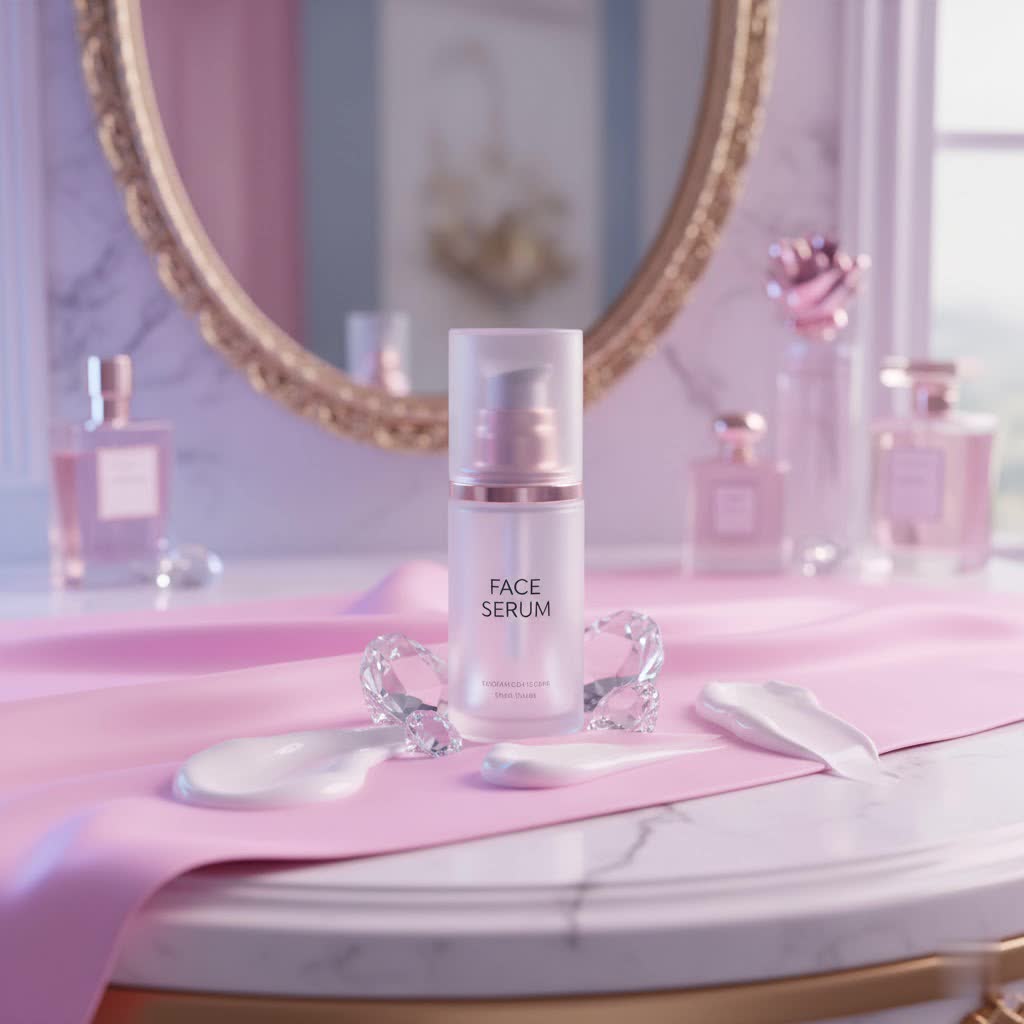
2. Face Serum: All You Need to Know
2.1. What is Face Serum?
|
Our Picks for the Best Face Serum in 2026
As an Amazon Associate I earn from qualifying purchases.
|
||
| Num | Product | Action |
|---|---|---|
| 1 | TruSkin Vitamin C Serum for Face – Anti Aging Face Serum with Hyaluronic Acid & Vitamin E – Brightening Formula for Improving Appearance of Dark Spots, Fine Lines & Wrinkles – All Skin Types, 1 fl oz |

|
| 2 | Good Molecules Hyaluronic Acid Serum - 1% Hyaluronic Acid Non-greasy Ultra Hydrating Serum, Facial Moisturizer for Plumper Skin, Skin Care for Face |
|
| 3 | Vichy LiftActiv Vitamin C Serum For Face, Brightening Serum With Pure Vitamin C + Hyaluronic Acid + Vitamin E, Reduces Fine Lines, Smooths Skin Texture, Improves Radiance, Anti Aging |
|
| 4 | medicube PDRN Pink Peptide Serum with Rose PDRN - Vegan Pink Glow Serum with Peptides & Niacinamide for Hydration & Firm-Looking Skin - Uneven Tone Care - Korean Skincare, 1.01 fl. Oz |
|
| 5 | medicube PDRN Pink Peptide Serum with Salmon DNA - Pink Glow Serum with Peptides & Niacinamide for Hydration & Firm-Looking Skin - Uneven Tone Care - Korean Skincare, 1.01 fl. Oz |
|
| 6 | La Roche-Posay Hyalu B5 Pure Hyaluronic Acid Serum for Face, Vitamin B5 + Hyaluronic Acid + Madecassoside, Hydrating Serum Visibly Plumps Skin, Sensitive Skin Safe, Anti Aging, Oil-Free |
|
| 7 | The Ordinary Niacinamide 10% + Zinc 1%, Smoothing Serum for Blemish-Prone Skin |
|
| 8 | The Ordinary Hyaluronic Acid 2% + B5 (with Ceramides), Multi-Depth Hydration Serum for Plumper, Smoother Skin |
|
| 9 | Salmon DNA PPRN Serum, 5000ppm Salmon Egg DNA & 2000ppm Collagen, with Glutathione, Niacinamide & 6 Hyaluronic Acids, Korean Anti-Aging Face Serum for Wrinkles and Radiance, 1.5 fl oz, 30 Count |
|
| 10 | Dr Sebagh Platinum Gold Elixir Travel Size (0.17 fl oz) - Luxury Anti Aging Serum with 24K Gold & Platinum - Hydrating Facial Serum for Women & Men - Anti Wrinkle & Antioxidant Skin Care |
|
A face serum is a lightweight, highly concentrated skincare product designed to deliver potent active ingredients directly into the skin. Unlike moisturizers, which primarily hydrate the skin’s surface and create a barrier, serums are formulated with smaller molecules that can penetrate deeper, targeting specific concerns like fine lines, hyperpigmentation, or dullness. Vitamin C face serums, in particular, are lauded for their ability to deliver a concentrated dose of this vital antioxidant to the skin, offering targeted treatment and significant results.
2.2. Common Ingredients in Face Serums (Focus on Vitamin C)
While “Vitamin C” is the star, it comes in various forms and is often paired with other beneficial ingredients to enhance its efficacy and stability.
-
Forms of Vitamin C:
- L-Ascorbic Acid (LAA): This is the purest and most potent form of Vitamin C. It is highly effective but also the least stable, susceptible to oxidation from light, heat, and air, and can cause irritation, especially at higher concentrations or for sensitive skin. It works best at a low pH.
- Sodium Ascorbyl Phosphate (SAP): A more stable, water-soluble derivative. It’s gentler than L-Ascorbic Acid and is often recommended for sensitive or acne-prone skin due to its mild antimicrobial properties.
- Magnesium Ascorbyl Phosphate (MAP): Another stable, water-soluble derivative. It is less irritating and can be a good option for sensitive skin, offering good hydrating and brightening benefits.
- Ascorbyl Glucoside (AA2G): A stable, water-soluble form that releases L-Ascorbic Acid when it comes into contact with the skin’s enzymes. It’s known for gentle brightening and suitability for beginners.
- Ethyl Ascorbic Acid (EAA): A highly stable, oil and water-soluble derivative. It offers excellent skin brightening effects and is less prone to irritation, making it a promising option for various skin types.
- Tetrahexyldecyl Ascorbate (THD Ascorbate): An oil-soluble, highly stable form of Vitamin C that penetrates deeply. It’s known for its excellent brightening and anti-aging properties with minimal irritation.
-
Synergistic Ingredients Often Paired with Vitamin C:
- Ferulic Acid: A powerful antioxidant that not only provides its own protective benefits but also stabilizes L-Ascorbic Acid and boosts its effectiveness, especially when combined with Vitamin E.
- Vitamin E (Tocopherol): Another antioxidant that works synergistically with Vitamin C, offering enhanced protection against free radical damage. This duo is highly effective.
- Hyaluronic Acid: A potent humectant that draws moisture into the skin, providing deep hydration and a plumping effect. It pairs perfectly with Vitamin C to improve skin texture and moisture.
- Niacinamide (Vitamin B3): Offers a wide range of benefits including brightening, evening skin tone, reducing inflammation, minimizing pores, and regulating oil production. While historically thought to be incompatible with Vitamin C, current understanding suggests they can be used together, though sensitive skin types might prefer separating them (e.g., Vitamin C in the morning, Niacinamide at night).
- Peptides: Help to support collagen production and overall skin firmness, complementing Vitamin C’s anti-aging benefits.
2.3. Benefits of Using a Vitamin C Face Serum
Incorporating a Vitamin C face serum into your routine can unlock a multitude of benefits for a healthier, more radiant complexion.
- Brightens and Evens Skin Tone: Vitamin C helps inhibit melanin production, effectively reducing the appearance of dark spots, hyperpigmentation, post-acne marks, and sun spots, leading to a more uniform and luminous skin tone.
- Powerful Antioxidant Protection: As a potent antioxidant, Vitamin C combats free radicals caused by environmental aggressors like UV radiation and pollution. This protection helps prevent premature skin aging and damage.
- Stimulates Collagen Production: Vitamin C is crucial for collagen synthesis, the protein responsible for skin’s firmness and elasticity. Regular use can help reduce the appearance of fine lines and wrinkles, contributing to a more youthful look.
- Reduces Redness and Inflammation: With its anti-inflammatory properties, Vitamin C can help calm visible redness and soothe irritated skin, making it beneficial for sensitive or acne-prone complexions.
- Enhances Skin Hydration: Certain forms of Vitamin C and its common pairings, like hyaluronic acid, help the skin retain moisture, leaving it plump, smooth, and deeply hydrated.
- Supports the Skin Barrier: Vitamin C contributes to a strong, intact skin barrier, which is essential for maintaining moisture levels and protecting against environmental stressors.
2.4. Popular Types of Face Serums
While many serums focus on Vitamin C, they can be broadly categorized by their primary function, often with Vitamin C as a key active ingredient:
- Brightening Serums: Primarily target dullness, dark spots, and uneven tone. Vitamin C is a star here, often combined with ingredients like Niacinamide or Alpha Arbutin.
- Anti-Aging Serums: Focus on reducing fine lines, wrinkles, and improving skin firmness. These often feature Vitamin C, Retinol (used separately), Peptides, and antioxidants.
- Hydrating Serums: Aim to replenish moisture and plump the skin. Hyaluronic Acid is usually the main component, frequently boosted by Vitamin C for added radiance.
- Acne-Fighting Serums: Address breakouts, inflammation, and post-acne marks. Forms like Sodium Ascorbyl Phosphate are beneficial, sometimes alongside ingredients like Niacinamide or Salicylic Acid (exercise caution when combining with L-Ascorbic Acid).
2.5. Comparison of Key Vitamin C Forms in Serums
Choosing the right Vitamin C serum often comes down to understanding the form of Vitamin C used and its suitability for your skin. Here’s a brief comparison:
| Form of Vitamin C | Key Characteristics | Best For | Potential Side Effects |
|---|---|---|---|
| L-Ascorbic Acid (LAA) | Purest, most potent, unstable, low pH required | Experienced users, significant concerns, all types if well-formulated | Irritation, oxidation (browning), stinging |
| Sodium Ascorbyl Phosphate (SAP) | Stable, water-soluble, gentler, mild antimicrobial | Acne-prone, sensitive, beginners | Mild to none |
| Magnesium Ascorbyl Phosphate (MAP) | Stable, water-soluble, hydrating, less irritating | Sensitive, dry, beginners | Mild to none |
| Ascorbyl Glucoside (AA2G) | Stable, water-soluble, gentle release of LAA | Beginners, sensitive, gradual brightening | Mild to none |
| Ethyl Ascorbic Acid (EAA) | Highly stable, oil and water-soluble, less irritating | All skin types, advanced brightening | Mild to none |
| Tetrahexyldecyl Ascorbate (THD) | Oil-soluble, highly stable, deep penetration, minimal irritation | Dry, sensitive, anti-aging, hyperpigmentation | Mild to none |
2.6. How to Choose the Right Face Serum for Your Skin Type
Selecting the ideal Vitamin C face serum is a personalized journey. Consider these factors:
- Identify Your Skin Type and Concerns: Are you dealing with dryness, oiliness, sensitivity, acne, or signs of aging? Your primary concern will guide your choice.
- Check the Form and Concentration of Vitamin C:
- For Beginners/Sensitive Skin: Start with gentler derivatives like Sodium Ascorbyl Phosphate, Magnesium Ascorbyl Phosphate, Ascorbyl Glucoside, or Ethyl Ascorbic Acid, typically in concentrations of 5-10%. Always patch test.
- For Normal/Combination/Oily Skin (and experienced users): L-Ascorbic Acid in concentrations of 10-20% can be highly effective. For oily and mild acne-prone skin, serums containing L-Ascorbic Acid with salicylic acid (if formulated correctly) or Sodium Ascorbyl Phosphate can be beneficial.
- For Mature/Aging Skin & Hyperpigmentation: Higher concentrations of L-Ascorbic Acid (15-20%), especially combined with Ferulic Acid and Vitamin E, are often recommended for potent anti-aging and brightening effects.
- Look at Complementary Ingredients: Seek serums that include ingredients like Hyaluronic Acid for hydration, or Ferulic Acid and Vitamin E for enhanced antioxidant protection and stability.
- Examine Packaging: Vitamin C, especially L-Ascorbic Acid, is notoriously unstable. Opt for serums packaged in dark or tinted glass bottles with air-tight pumps or droppers to minimize exposure to light and air, which can cause oxidation and reduce efficacy. If a serum turns dark brown, it has likely oxidized and become less effective.
- Read Reviews: Look for authentic reviews from users with similar skin types and concerns to gauge product effectiveness and potential irritation.
2.7. How to Use Face Serum Correctly
To maximize the benefits of your Vitamin C face serum, proper application is key:
- Cleanse: Start with a clean face. Wash your face thoroughly to remove impurities.
- Tone (Optional): If you use a toner, apply it after cleansing to balance your skin’s pH.
- Apply Serum: Dispense a few drops (typically 2-4) of the Vitamin C serum onto your fingertips. Gently pat or press the serum onto your face, neck, and décolletage. Avoid rubbing aggressively; a gentle patting motion helps absorption.
- Allow Absorption: Give the serum a minute or two to fully absorb into your skin before moving to the next step.
- Moisturize: Follow with your regular moisturizer to lock in the serum’s benefits and provide additional hydration.
- Sunscreen (AM Routine): If using in the morning, always finish with a broad-spectrum sunscreen with at least SPF 30. Vitamin C enhances sunscreen’s protective qualities but does not replace it.
- When to Use: Most dermatologists recommend applying Vitamin C serum in the morning to leverage its antioxidant protection against daily environmental stressors and UV damage. However, it can also be used in the evening to aid in skin repair and rejuvenation, or both morning and evening if your skin tolerates it well. For sensitive skin, applying only at night might prevent potential daytime irritation, as the low pH of some Vitamin C products can be exacerbated by sun exposure.
- Layering with Other Ingredients:
- Good Combinations: Hyaluronic Acid, Vitamin E, Ferulic Acid, Peptides. These ingredients generally complement Vitamin C without negative interactions.
- Proceed with Caution/Separate Use:
- Niacinamide: While many modern formulations allow co-use, some sensitive individuals may experience flushing. If in doubt, use Vitamin C in the morning and Niacinamide at night.
- Retinol (Vitamin A): It’s generally advised to use Vitamin C in the morning and Retinol at night, or alternate them on different evenings. Both are potent actives that, when used together, can increase irritation.
- AHAs/BHAs (e.g., Glycolic Acid, Salicylic Acid): Mixing these exfoliating acids with Vitamin C can be too harsh and may disrupt the pH balance needed for L-Ascorbic Acid to be effective. It’s best to use them on alternate days or at different times.
2.8. Where to Buy Face Serum Reliably
To ensure you’re purchasing genuine and effective Vitamin C face serum, always buy from trusted sources:
- Brand’s Official Website: This is the most direct and reliable source.
- Authorized Retailers: Reputable department stores, beauty retailers, and pharmacies that are official distributors for the brand.
- Licensed Dermatologists or Estheticians: Many skincare professionals sell medical-grade or recommended products.
- Avoid Unverified Online Marketplaces: Be wary of third-party sellers on large e-commerce sites, as product authenticity can be difficult to verify.
2.9. Important Notes When Using Face Serum
While Vitamin C face serums offer incredible benefits, keep these considerations in mind:
- Patch Test First: Always apply a small amount of new serum to an inconspicuous area of your skin (like behind the ear or on your inner forearm) for 24-48 hours to check for any adverse reactions before full facial application.
- Potential Side Effects: Some users might experience a mild tingling sensation upon initial application, which is often normal. However, persistent redness, burning, itching, or breakouts could indicate irritation or an allergy, and usage should be discontinued.
- Storage is Crucial: Due to its instability, store your Vitamin C serum in a cool, dark place, away from direct sunlight and heat. Keep the cap tightly sealed to minimize air exposure.
- Consistency is Key: Visible results from Vitamin C serum often take time, typically several weeks of consistent daily use. Don’t expect immediate overnight transformations.
- Layering Order: Always apply lighter, more concentrated products like serums before heavier creams and oils.
2.10. Buying Guide: The Perfect Face Serum
Finding your perfect Vitamin C face serum involves a thoughtful approach:
- Define Your Skin Goals: Are you targeting brightness, anti-aging, hydration, or a combination?
- Understand Forms & Concentrations: Match the Vitamin C derivative and strength to your skin type and sensitivity level.
- Prioritize Stability & Packaging: Look for stable formulations and dark, air-tight containers.
- Check for Synergistic Ingredients: Ingredients like Ferulic Acid, Vitamin E, and Hyaluronic Acid can boost efficacy.
- Research and Read Reviews: Consult expert opinions and user experiences.
- Consider Your Budget: Effective Vitamin C serums are available across various price points.
“A well-chosen Vitamin C serum is like a daily shield and a nightly repair treatment for your skin, making it one of the most hardworking products in your beauty arsenal.” – Reviewtimr Admin, Skincare Expert
Conclusion
Vitamin C face serums are undeniably a cornerstone of effective skincare, offering unparalleled benefits for brightening, protection, and rejuvenation. By understanding the different forms, synergistic ingredients, and proper application techniques, you can confidently select a serum that perfectly aligns with your skin’s unique needs and concerns. Embrace the journey of discovery, listen to your skin, and with consistent use, unveil the healthy, radiant complexion you desire.
What changes will you make to your skincare routine to welcome the transformative power of Vitamin C?
Frequently Asked Questions
Can I use Vitamin C serum every day?
Yes, most Vitamin C serums are designed for daily use, typically once in the morning to leverage its antioxidant protection against environmental damage. If your skin tolerates it well, some individuals also use it twice daily, morning and evening. For sensitive skin, starting with every other day or only at night is advisable.
How long does it take to see results from Vitamin C serum?
While some users may notice an immediate glow, significant improvements in skin brightness, dark spots, and texture typically become visible after consistent daily use for 4 to 8 weeks. Collagen production benefits, like reduced fine lines, may take even longer, often 3 to 6 months.
