Are you searching for a skincare hero that offers both gentle exfoliation and deep hydration? Lactic acid face serum might be precisely what your skin needs to achieve a smoother, brighter, and more youthful complexion. As an increasingly popular alpha hydroxy acid (AHA), lactic acid offers a multifaceted approach to skin renewal, tackling common concerns from dullness to fine lines without harsh irritation. This comprehensive guide will delve into everything you need to know about incorporating lactic acid serum into your routine, helping you discover its remarkable benefits and how to choose the perfect one for your unique skin type.
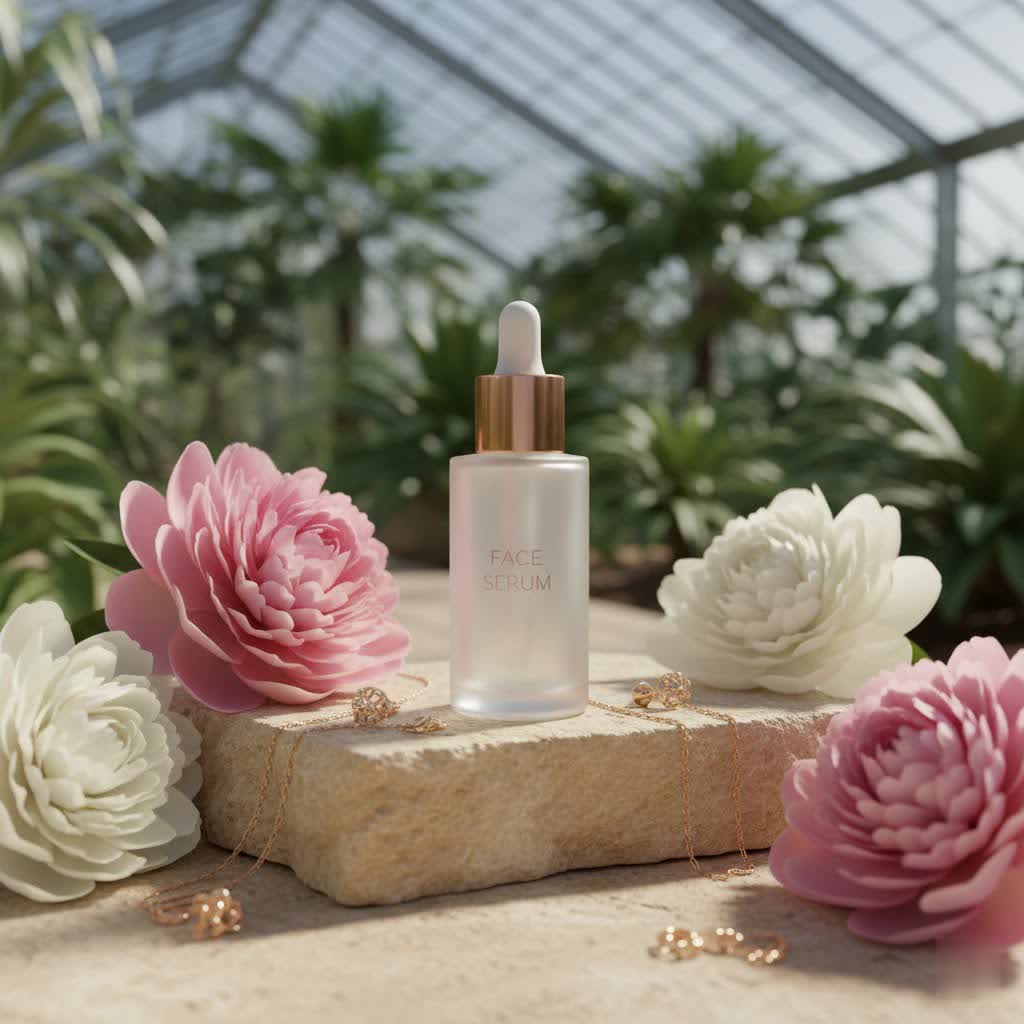
2. Face Serum: Everything You Need to Know
2.1. What is Face Serum?
|
Our Picks for the Best Face Serum in 2026
As an Amazon Associate I earn from qualifying purchases.
|
||
| Num | Product | Action |
|---|---|---|
| 1 | The Ordinary Hyaluronic Acid 2% + B5 (with Ceramides), Multi-Depth Hydration Serum for Plumper, Smoother Skin |

|
| 2 | medicube PDRN Pink Peptide Serum with Rose PDRN - Vegan Pink Glow Serum with Peptides & Niacinamide for Hydration & Firm-Looking Skin - Uneven Tone Care - Korean Skincare, 1.01 fl. Oz |
|
| 3 | Vichy LiftActiv Vitamin C Serum For Face, Brightening Serum With Pure Vitamin C + Hyaluronic Acid + Vitamin E, Reduces Fine Lines, Smooths Skin Texture, Improves Radiance, Anti Aging |
|
| 4 | Salmon DNA PPRN Serum, 5000ppm Salmon Egg DNA & 2000ppm Collagen, with Glutathione, Niacinamide & 6 Hyaluronic Acids, Korean Anti-Aging Face Serum for Wrinkles and Radiance, 1.5 fl oz, 30 Count |
|
| 5 | TruSkin Vitamin C Serum for Face – Anti Aging Face Serum with Hyaluronic Acid & Vitamin E – Brightening Formula for Improving Appearance of Dark Spots, Fine Lines & Wrinkles – All Skin Types, 1 fl oz |
|
| 6 | La Roche-Posay Hyalu B5 Pure Hyaluronic Acid Serum for Face, Vitamin B5 + Hyaluronic Acid + Madecassoside, Hydrating Serum Visibly Plumps Skin, Sensitive Skin Safe, Anti Aging, Oil-Free |
|
| 7 | Good Molecules Hyaluronic Acid Serum - 1% Hyaluronic Acid Non-greasy Ultra Hydrating Serum, Facial Moisturizer for Plumper Skin, Skin Care for Face |
|
| 8 | The Ordinary Niacinamide 10% + Zinc 1%, Smoothing Serum for Blemish-Prone Skin |
|
| 9 | Dr Sebagh Platinum Gold Elixir Travel Size (0.17 fl oz) - Luxury Anti Aging Serum with 24K Gold & Platinum - Hydrating Facial Serum for Women & Men - Anti Wrinkle & Antioxidant Skin Care |
|
| 10 | medicube PDRN Pink Peptide Serum with Salmon DNA - Pink Glow Serum with Peptides & Niacinamide for Hydration & Firm-Looking Skin - Uneven Tone Care - Korean Skincare, 1.01 fl. Oz |
|
A face serum is a concentrated skincare treatment designed to deliver potent active ingredients directly to the skin. Unlike moisturizers, which typically focus on hydration and barrier protection, serums are formulated with smaller molecules that can penetrate deeper into the skin’s layers, targeting specific concerns with higher efficacy. Lactic acid serums, for instance, are crafted to provide focused exfoliation and hydration, distinguishing them from thicker creams or lighter lotions and essences that serve different purposes in a skincare routine.
2.2. Common Ingredients in Face Serum
Lactic acid serums often feature a blend of ingredients that enhance its benefits and soothe the skin.
- Lactic Acid: The star ingredient, it’s an alpha hydroxy acid (AHA) known for its exfoliating and hydrating properties.
- Hyaluronic Acid: A powerful humectant that attracts and binds moisture to the skin, complementing lactic acid’s hydrating effects and ensuring skin remains plump.
- Niacinamide (Vitamin B3): Often included for its ability to reduce inflammation, minimize pores, and improve skin tone, working synergistically with lactic acid.
- Peptides: These amino acid chains can help stimulate collagen production, further enhancing the anti-aging benefits of lactic acid.
- Tasmanian Pepperberry Extract: Found in some formulations, this ingredient helps to soothe the skin and reduce potential irritation from the exfoliation process.
- Glycerin: Another effective humectant that draws moisture into the skin, supporting hydration.
2.3. Benefits of Using Face Serum
Incorporating a lactic acid face serum into your routine can yield a multitude of benefits, transforming your skin’s texture and appearance.
- Improves Fine Lines and Wrinkles: Lactic acid gently exfoliates the skin, encouraging cell turnover and supporting collagen production, which helps to reduce the appearance of fine lines and wrinkles.
- Brightens and Evens Skin Tone: By shedding dead skin cells and hastening the renewal of surface cells, lactic acid effectively fades dark spots, hyperpigmentation, sunspots, and post-breakout marks, revealing a brighter and more even complexion.
- Deep Hydration and Skin Barrier Restoration: Uniquely among AHAs, lactic acid is a natural humectant that helps the skin bind water and encourages the production of ceramides, strengthening the skin’s natural moisture barrier and boosting hydration.
- Reduces Acne and Blemishes: It aids in clearing pores and regulating sebum production, making it beneficial for oily and acne-prone skin by helping to reduce breakouts and inflammation.
- Smoother Skin Texture: The gentle exfoliation refines skin texture, making it feel notably softer and appear more polished.
2.4. Popular Types of Face Serum on the Market
Face serums are categorized by their primary function, allowing you to target specific skin concerns effectively.
- Hydrating Serums: Often contain ingredients like hyaluronic acid, glycerin, and lactic acid at lower concentrations to primarily boost moisture levels.
- Brightening Serums: Formulated with active ingredients such as Vitamin C, lactic acid, and niacinamide to combat dullness and hyperpigmentation.
- Anti-Aging Serums: Feature potent ingredients like retinol, peptides, and higher concentrations of AHAs (including lactic acid) to address wrinkles, firmness, and overall skin elasticity.
- Acne-Treating Serums: Typically include salicylic acid (a BHA), niacinamide, and sometimes lactic acid to target breakouts, clogged pores, and inflammation. Lactic acid’s ability to clear pores and reduce inflammation makes it a gentler option for acne-prone skin.
2.5. Comparison Table of Face Serum Ingredients
| Ingredient | Primary Benefit | Skin Type Recommendation | Notes |
|---|---|---|---|
| Lactic Acid | Exfoliation, Hydration, Brightening | All skin types, especially sensitive, dry | Gentler AHA, part of NMF. |
| Glycolic Acid | Potent Exfoliation, Anti-aging | Normal, oily, mature, non-sensitive | Smallest AHA, deepest penetration, can be irritating. |
| Hyaluronic Acid | Intense Hydration, Plumping | All skin types | Humectant, holds water in skin. |
| Retinol | Cell Turnover, Anti-aging, Acne | All skin types (with caution) | Vitamin A derivative, powerful, can cause irritation. |
| Niacinamide | Anti-inflammatory, Pore Reduction, Barrier Support | All skin types | Versatile, minimizes redness, improves texture. |
| Vitamin C | Brightening, Antioxidant, Collagen Boost | All skin types | Protects from free radicals, evens tone. |
| Peptides | Collagen Production, Firmness | Mature, anti-aging concerns | Amino acid chains, signal skin to repair. |
2.6. How to Choose the Right Face Serum for Your Skin Type
Selecting the ideal lactic acid face serum depends on understanding your skin’s unique needs.
- Dry Skin: Look for serums that combine lactic acid with hydrating ingredients like hyaluronic acid or ceramides to exfoliate gently while providing ample moisture. Lactic acid’s humectant properties make it an excellent choice for improving dry skin’s hydration levels.
- Oily Skin: Serums with lactic acid can help regulate sebum production and clear congested pores. Consider formulations that also include niacinamide to minimize shine and improve skin texture.
- Combination Skin: A lactic acid serum can balance oilier zones while hydrating drier areas. Start with a lower concentration (5%) to see how your skin responds.
- Sensitive Skin: Lactic acid is often recommended for sensitive skin due to its larger molecular size and gentler exfoliating action compared to other AHAs like glycolic acid. Begin with a very low concentration (2-5%) and use it infrequently to build tolerance. Look for formulas that include soothing ingredients like Tasmanian Pepperberry.
2.7. How to Use Face Serum Correctly
Using a lactic acid face serum properly ensures maximum benefits and minimizes potential irritation.
- Cleanse: Start with a gentle, non-exfoliating cleanser to remove makeup and impurities, then pat your skin dry.
- Tone (Optional): If you use a toner, apply it before your serum.
- Apply Serum: Dispense 2-4 drops of lactic acid serum into your palm. Gently press or pat the serum evenly over your face and neck, avoiding the eye area.
- Allow Absorption: Wait a few minutes for the serum to fully absorb into your skin.
- Moisturize: Follow with your regular moisturizer to lock in hydration and support the skin barrier.
- Sunscreen (Morning): If using lactic acid in your morning routine (less common, and requires extra caution), always apply a broad-spectrum SPF 30 or higher.
- Frequency: For beginners, start by using the serum 2-3 times a week, ideally in your evening routine. As your skin builds tolerance, you can gradually increase frequency to every other night or even daily, depending on the product’s concentration and your skin’s response.
- Patch Test: Always perform a patch test on a small, inconspicuous area of your skin (like behind your ear or on your inner forearm) before applying a new serum to your entire face to check for any adverse reactions.
2.8. Where to Buy Reputable Face Serums?
When purchasing lactic acid face serums, ensure you choose reputable sources to guarantee product authenticity and quality.
- Authorized Retailers: Shop directly from the brand’s official website or through authorized beauty retailers. This minimizes the risk of counterfeit products.
- Department Stores: Major department stores with dedicated beauty counters often carry a wide range of trusted skincare brands.
- Pharmacies/Drugstores: Many pharmacies offer accessible and reliable skincare brands, including those with lactic acid serums.
- Dermatologist’s Office: For professional-grade or specific formulations, your dermatologist’s office can be a reliable source.
Always check product reviews and brand reputation before making a purchase.
2.9. Important Considerations When Using Face Serum
To get the best results from your lactic acid serum and avoid potential issues, keep these points in mind.
- Potential Side Effects: While lactic acid is gentle, some users may experience mild tingling, slight redness, or dryness, especially when first introducing it. If irritation becomes intense or persistent, reduce frequency or discontinue use.
- Sun Sensitivity: AHAs like lactic acid can make your skin more susceptible to sun damage. It is absolutely crucial to apply a broad-spectrum sunscreen with an SPF of 30 or higher every morning, regardless of whether you used the serum the night before.
- Ingredient Combinations: Avoid using lactic acid with other strong exfoliating ingredients (like high-concentration glycolic acid or strong physical scrubs) or retinoids on the same night. It’s best to alternate these active ingredients on different evenings to prevent over-exfoliation and irritation.
- Storage: Store your serum in a cool, dry place away from direct sunlight to maintain its stability and efficacy. Always check the product packaging for specific storage instructions.
2.10. Buying Guide: The Secret to Choosing the Perfect Face Serum
Navigating the world of lactic acid serums can be effortless with a clear strategy.
- Identify Your Skin Type and Concerns: Are you primarily looking for hydration, anti-aging, brightening, or acne treatment? This will guide your concentration choice and complementary ingredients.
- Research Ingredients and Concentrations: For sensitive or dry skin, start with lower concentrations (e.g., 5-8%). For experienced users or specific concerns like stubborn hyperpigmentation, a 10% concentration might be suitable. Pay attention to the overall formula, looking for soothing or hydrating additions.
- Read Reviews and Compare Prices: Consult genuine customer reviews and expert opinions to gauge product effectiveness and potential side effects. Compare prices across reputable retailers to find the best value.
- Choose Reputable Brands: Opt for brands known for their transparency, quality ingredients, and strong scientific backing. A trusted brand often implies rigorous testing and formulation expertise.
- Consider pH Level: While product labels don’t always highlight pH, it impacts the “free acid” available to penetrate the skin. Generally, well-formulated AHA products have an optimal pH for efficacy.
“Lactic acid is a fantastic entry point into the world of chemical exfoliation, offering tangible benefits for skin texture and radiance without the aggressive feel some other acids might have. It truly embodies the ‘glow-up’ effect.” – Dr. Sarah Chen, Dermatologist and Skincare Expert
Conclusion
Lactic acid face serum stands out as a versatile and gentle yet effective powerhouse in modern skincare. Its unique dual action of exfoliation and hydration makes it suitable for a wide array of skin types and concerns, from banishing dullness and fine lines to improving hydration and evening skin tone. By understanding its benefits, proper usage, and how to choose the right formulation, you can confidently integrate this remarkable serum into your regimen and unlock a healthier, more luminous complexion.
Ready to transform your skin? What’s the one skin concern you’re most excited for a lactic acid serum to address?
Frequently Asked Questions
Is lactic acid serum suitable for daily use?
Lactic acid serum can be suitable for daily use, especially if you have built up a tolerance. However, beginners should start 2-3 times a week, preferably in the evening, and gradually increase frequency if their skin tolerates it without irritation. Always follow with moisturizer and daily SPF.
Can I use lactic acid serum if I have sensitive skin?
Yes, lactic acid is generally considered one of the gentlest AHAs, making it a good option for sensitive skin. Start with a lower concentration (e.g., 5%) and use it less frequently to gauge your skin’s reaction. Look for formulations with soothing ingredients.
What is the difference between lactic acid and glycolic acid?
Lactic acid has a larger molecular size than glycolic acid, meaning it penetrates the skin more slowly and gently. Glycolic acid offers deeper penetration and more potent exfoliation but can be more irritating. Lactic acid also provides more direct hydration benefits.
Should I use lactic acid in the morning or evening?
It is generally recommended to use lactic acid serum in your evening skincare routine. This is because AHAs can increase sun sensitivity, and applying it at night allows your skin to renew itself while you sleep. Always apply broad-spectrum SPF the next morning.
Can lactic acid serum help with acne?
Yes, lactic acid can help with acne by gently exfoliating dead skin cells, clearing clogged pores, and reducing inflammation. Its hydrating properties can also prevent over-drying, which can sometimes exacerbate acne. It’s a gentler option for acne-prone skin compared to stronger exfoliants.
What percentage of lactic acid serum should I start with?
If you are new to chemical exfoliants or have sensitive skin, it is best to start with a lower concentration, such as 5% or 8% lactic acid. You can gradually increase to a 10% concentration if your skin builds tolerance and you desire more intensive results.
