Imagine a skincare revolution that goes beyond surface-level fixes, targeting the very essence of skin renewal. Face serums, particularly those harnessing advanced stem cell technology, represent this frontier in cosmetic science. As an admin for reviewtimr.com and a skincare expert with a decade of experience, I’ve delved deep into the world of serums, exploring their intricate formulations and transformative effects. This guide is designed to empower you with the knowledge to navigate the innovative landscape of stem cell face serums, helping you achieve a healthier, more radiant complexion.
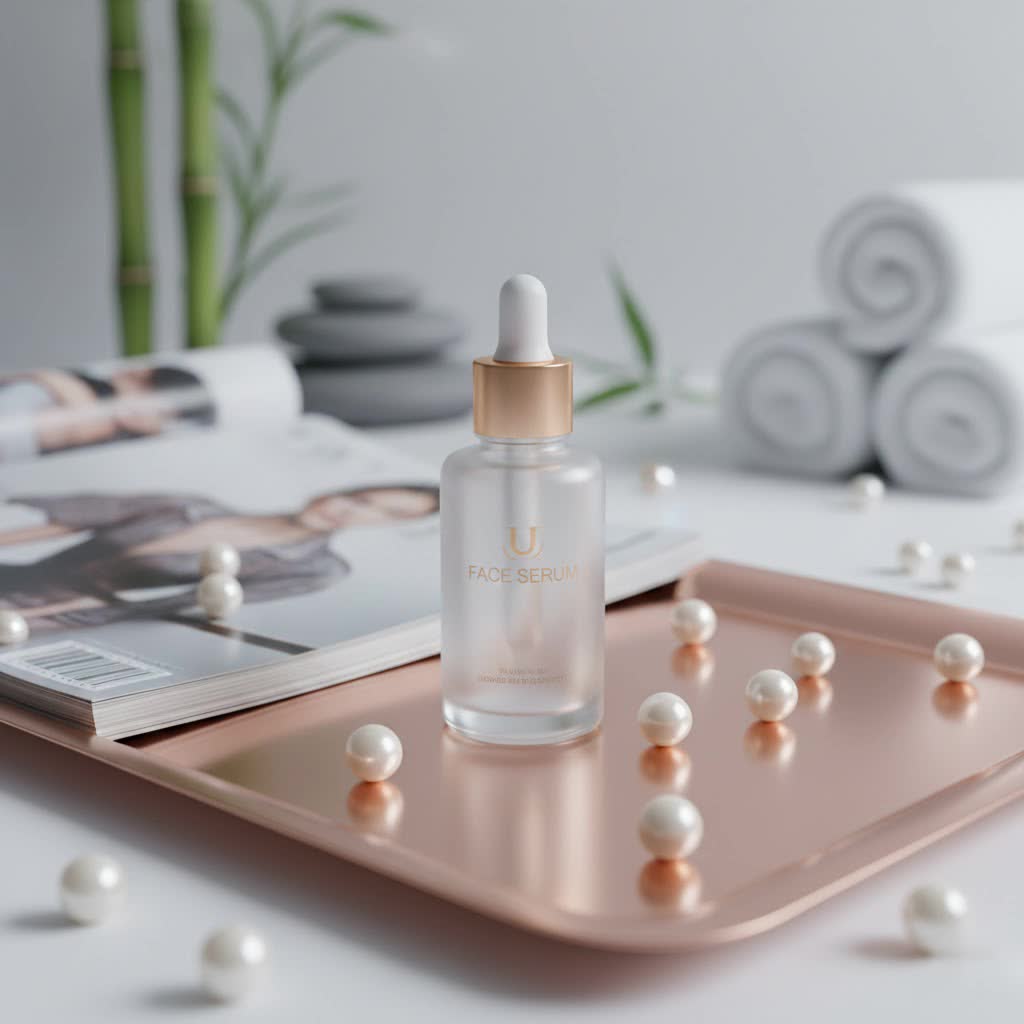
2. Face Serum: All You Need to Know
2.1. What is Face Serum?
|
Our Picks for the Best Face Serum in 2026
As an Amazon Associate I earn from qualifying purchases.
|
||
| Num | Product | Action |
|---|---|---|
| 1 | Vichy LiftActiv Vitamin C Serum For Face, Brightening Serum With Pure Vitamin C + Hyaluronic Acid + Vitamin E, Reduces Fine Lines, Smooths Skin Texture, Improves Radiance, Anti Aging |

|
| 2 | The Ordinary Niacinamide 10% + Zinc 1%, Smoothing Serum for Blemish-Prone Skin |
|
| 3 | The Ordinary Hyaluronic Acid 2% + B5 (with Ceramides), Multi-Depth Hydration Serum for Plumper, Smoother Skin |
|
| 4 | La Roche-Posay Hyalu B5 Pure Hyaluronic Acid Serum for Face, Vitamin B5 + Hyaluronic Acid + Madecassoside, Hydrating Serum Visibly Plumps Skin, Sensitive Skin Safe, Anti Aging, Oil-Free |
|
| 5 | medicube PDRN Pink Peptide Serum with Salmon DNA - Pink Glow Serum with Peptides & Niacinamide for Hydration & Firm-Looking Skin - Uneven Tone Care - Korean Skincare, 1.01 fl. Oz |
|
| 6 | Good Molecules Hyaluronic Acid Serum - 1% Hyaluronic Acid Non-greasy Ultra Hydrating Serum, Facial Moisturizer for Plumper Skin, Skin Care for Face |
|
| 7 | Salmon DNA PPRN Serum, 5000ppm Salmon Egg DNA & 2000ppm Collagen, with Glutathione, Niacinamide & 6 Hyaluronic Acids, Korean Anti-Aging Face Serum for Wrinkles and Radiance, 1.5 fl oz, 30 Count |
|
| 8 | Dr Sebagh Platinum Gold Elixir Travel Size (0.17 fl oz) - Luxury Anti Aging Serum with 24K Gold & Platinum - Hydrating Facial Serum for Women & Men - Anti Wrinkle & Antioxidant Skin Care |
|
| 9 | TruSkin Vitamin C Serum for Face – Anti Aging Face Serum with Hyaluronic Acid & Vitamin E – Brightening Formula for Improving Appearance of Dark Spots, Fine Lines & Wrinkles – All Skin Types, 1 fl oz |
|
| 10 | medicube PDRN Pink Peptide Serum with Rose PDRN - Vegan Pink Glow Serum with Peptides & Niacinamide for Hydration & Firm-Looking Skin - Uneven Tone Care - Korean Skincare, 1.01 fl. Oz |
|
At its core, a face serum is a concentrated skincare treatment formulated with a high percentage of active ingredients designed to penetrate deeply into the skin. Unlike moisturizers, which primarily hydrate and protect the skin’s surface, serums target specific concerns such as fine lines, dark spots, or dehydration, delivering potent actives directly to where they can make the most difference. Their lightweight texture allows for quick absorption, making them a powerful step in any comprehensive skincare regimen.
2.2. What is a Stem Cell Serum?
A stem cell serum is an advanced skincare product that utilizes the beneficial compounds derived from stem cells to promote skin rejuvenation. It’s crucial to understand that these serums do not contain live stem cells; instead, they are formulated with growth factors, peptides, cytokines, and exosomes extracted from stem cell cultures. These potent “signaling molecules” communicate with your skin cells, encouraging them to function more efficiently. This innovative approach differentiates stem cell serums from traditional formulas, focusing on cellular communication to enhance the skin’s natural repair processes.
2.3. How Stem Cell Serums Work on Your Skin
The magic of stem cell serums lies in their ability to stimulate the skin’s inherent regenerative capacities. The growth factors and signaling proteins within these serums act as messengers, prompting skin cells to increase collagen and elastin production – the vital proteins responsible for skin firmness and elasticity. They also accelerate cellular turnover, bringing fresh, healthy cells to the surface more quickly, and can possess anti-inflammatory and antioxidant properties. This multifaceted action supports the skin’s natural repair mechanisms, leading to visible improvements in texture, tone, and overall vitality.
2.4. Common Ingredients in Stem Cell Serums
Stem cell serums feature a diverse range of active ingredients, often categorized by their origin:
- Plant-Derived Stem Cell Extracts: Sourced from plants like Swiss apples, grapes, edelweiss, or roses, these extracts are rich in amino acids, antioxidants, and various proteins. They help protect skin cells from environmental damage, reduce oxidative stress, and support skin regeneration by boosting collagen production.
- Human-Derived Growth Factors and Exosomes: These are often derived from adult stem cells, such as those from the cord lining or platelets, cultivated in a laboratory setting. These “conditioned media” contain a highly concentrated blend of human-compatible growth factors and exosomes, which are considered particularly powerful for signaling significant human skin cell regeneration and repair.
- Other Synergistic Ingredients: Many stem cell serums are fortified with complementary actives like Hyaluronic Acid for intense hydration, Peptides to further support collagen synthesis, Vitamin C for brightening and antioxidant protection, Niacinamide to improve barrier function and reduce inflammation, and sometimes even Retinol or its gentle alternative Bakuchiol for enhanced anti-aging benefits.
2.5. Benefits of Using a Stem Cell Face Serum
Incorporating a stem cell face serum into your routine can yield a multitude of benefits, tackling various skin concerns:
- Anti-Aging Powerhouse: By boosting collagen and elastin production, these serums effectively reduce the appearance of fine lines and wrinkles, while improving skin firmness and elasticity, giving a more youthful contour.
- Skin Repair and Regeneration: They actively support the healing of damaged skin, diminish redness, soothe irritation, and enhance overall skin texture and tone. This includes aiding in the recovery from environmental stressors and minor imperfections.
- Deep Hydration: Certain stem cell extracts and accompanying ingredients deeply replenish the skin’s moisture levels, reinforcing the skin barrier for lasting hydration and a plump appearance.
- Brightening and Evening Skin Tone: Through improved cellular turnover and antioxidant action, stem cell serums can help brighten the complexion and reduce the visibility of hyperpigmentation, leading to a more even skin tone.
- Antioxidant Protection: The potent antioxidants often present in these formulations help neutralize free radicals, safeguarding skin cells from damage caused by pollution and UV radiation.
2.6. Popular Types of Stem Cell Face Serums
The market offers a range of stem cell serums tailored to different needs:
- Anti-Aging Serums: Focused on reducing wrinkles, improving firmness, and enhancing overall skin elasticity.
- Hydrating Serums: Designed to deeply moisturize and fortify the skin’s natural moisture barrier, often featuring hyaluronic acid alongside stem cell extracts.
- Brightening Serums: Aimed at evening skin tone, reducing dark spots, and promoting a luminous complexion, frequently containing Vitamin C or other brightening agents.
- Repair and Recovery Serums: Formulated to soothe compromised skin, accelerate healing, and reduce inflammation, often ideal for post-procedure care or sensitive skin types.
2.7. Navigating the Market: Stem Cell Serums vs. Other Anti-Aging Treatments
When considering stem cell serums, it’s helpful to understand how they fit into the broader anti-aging landscape. Unlike treatments like Botox, which offer immediate but temporary reduction of dynamic wrinkles by relaxing muscles, stem cell serums focus on stimulating your skin’s own regenerative processes for long-term dermal remodeling. They work to rebuild and rejuvenate the skin from within, promoting sustained improvements in skin thickness, elasticity, and tone over time. While traditional ingredients like retinol also boost cell turnover, stem cell technology offers a distinct pathway by providing sophisticated cellular communication signals.
2.8. Choosing the Right Stem Cell Face Serum for Your Skin Type
Selecting the perfect stem cell serum involves understanding your unique skin needs:
- Dry Skin: Look for serums emphasizing deep hydration with ingredients like hyaluronic acid, ceramides, and richer plant stem cell oils that reinforce the skin barrier.
- Oily/Acne-Prone Skin: Opt for lightweight, non-comedogenic formulas that may include stem cell extracts with anti-inflammatory properties and ingredients like niacinamide to help regulate oil production.
- Combination Skin: A balanced serum that provides both hydration and aims to improve texture without being too heavy or too drying is ideal. Look for versatile plant-derived extracts.
- Sensitive Skin: Choose serums with soothing plant stem cell extracts (e.g., edelweiss) and avoid strong fragrances or harsh chemicals. Always perform a patch test.
2.9. How to Properly Use a Stem Cell Face Serum
To maximize the benefits of your stem cell serum, integrate it correctly into your skincare routine:
- Cleanse: Start with a clean face to remove impurities.
- Tone (Optional): Apply a toner to balance skin pH and prepare it for absorption.
- Serum Application: Dispense a small amount (2-3 drops) of the stem cell serum onto your fingertips. Gently pat and press the serum evenly over your face, neck, and décolleté until absorbed.
- Follow with Moisturizer: Seal in the serum’s benefits with a suitable moisturizer.
- Sunscreen (AM): Always finish your morning routine with broad-spectrum sunscreen.
Tips for Optimal Results:
- Consistency is Key: Use your serum consistently, typically twice daily, for several weeks to observe noticeable improvements.
- Layering: Apply serums from thinnest to thickest consistency if using multiple.
- Post-Exfoliation: Some find that applying serum after gentle exfoliation enhances penetration and efficacy.
2.10. Where to Purchase Authentic Stem Cell Face Serums
To ensure you’re investing in genuine, high-quality products, purchase stem cell face serums from reputable sources. This includes authorized retailers, established beauty department stores, the official websites of skincare brands, and professional dermatological clinics. Be wary of unauthorized third-party sellers, especially those offering heavily discounted products, as authenticity and quality cannot be guaranteed.
2.11. Important Considerations and Potential Side Effects
While generally considered safe, there are important points to remember:
- Realistic Expectations: Results from topical stem cell serums are typically gradual and cumulative, not instantaneous. Patience is key.
- Patch Testing: Always perform a patch test on a small, inconspicuous area of skin before full application, especially if you have sensitive skin, to check for any adverse reactions.
- Skin Penetration: The skin is an effective barrier. While advanced delivery systems are improving, topical serums may not penetrate as deeply as in-office medical treatments.
- Storage: Store serums as directed by the manufacturer, often in a cool, dark place to maintain ingredient stability.
- Ethical Considerations: For human-derived growth factor serums, ensure the brand adheres to ethical sourcing practices. Modern formulations utilize non-embryonic, ethically obtained sources.
2.12. Buying Guide: Your Secret to Selecting the Perfect Stem Cell Serum
Navigating the array of stem cell serums can feel overwhelming, but with a strategic approach, you can find your ideal match:
- Identify Your Skin Concerns: What specific issues are you hoping to address – fine lines, dullness, dehydration, or uneven tone?
- Research Ingredients: Understand whether the serum uses plant-derived extracts or human-derived growth factors/exosomes, and ensure it aligns with your preferences and ethical considerations. Look for a robust ingredient list.
- Seek Clinical Backing and Reviews: Reputable brands often share clinical study results or transparent research. Read unbiased reviews from trusted sources to gauge real-world efficacy.
- Consider Brand Reputation: Choose brands known for their scientific rigor, quality control, and transparency regarding their ingredient sourcing and formulation.
- Price vs. Value: High-quality ingredients often come with a higher price tag, but assess the concentration of active ingredients and the overall formulation to determine true value.
“The true power of stem cell serums lies in their ability to awaken your skin’s innate healing and regenerative potential. It’s not just about what you apply, but how it communicates with your cells.”
Conclusion
Stem cell face serums represent a captivating advancement in skincare, offering a sophisticated approach to anti-aging and skin regeneration. By delivering potent signaling molecules, these innovative formulas encourage your skin to renew itself, fostering improved collagen production, enhanced texture, and deep hydration. With consistent use and careful selection based on your skin type and concerns, a stem cell serum can be a cornerstone in achieving a resilient, radiant complexion. Embrace this cutting-edge technology and transform your skin from within. What step will you take today to unlock your skin’s youthful glow?
Frequently Asked Questions
What are the main differences between plant-derived and human-derived stem cell serums?
Plant-derived stem cell serums utilize extracts from botanical sources, offering antioxidant protection and supporting skin regeneration. Human-derived serums, which contain growth factors and exosomes from cultured human adult stem cells, are designed to deliver signals more directly compatible with human skin cells, potentially leading to more targeted and profound regenerative effects.
How long does it take to see results from a stem cell face serum?
Results vary by individual and product formulation, but generally, visible improvements such as enhanced texture, hydration, and reduction in fine lines can be observed after 4 to 8 weeks of consistent daily use. For more significant anti-aging benefits, continued use over several months is often recommended.
Can stem cell serums replace traditional anti-aging ingredients like retinol?
Stem cell serums offer a unique mechanism for anti-aging through cellular communication and regeneration. While they complement ingredients like retinol by boosting skin repair and collagen, they don’t necessarily replace retinol’s direct action on cell turnover. Many experts suggest using both, carefully layered, for comprehensive anti-aging benefits.
Are there any ethical concerns with using stem cell serums?
Modern skincare products labeled as stem cell serums exclusively use non-living extracts from either plant sources or ethically obtained adult human stem cells (e.g., from fat tissue or cord lining). Embryonic stem cells are not used in cosmetic formulations, addressing previous ethical concerns. Always choose reputable brands that are transparent about their sourcing.
Is a higher concentration of stem cell extracts always better?
While a higher concentration of active stem cell extracts or growth factors generally suggests greater potency, it’s not the only factor determining efficacy. The overall formulation, the stability of the active ingredients, the delivery system, and the presence of synergistic compounds all play crucial roles in a serum’s effectiveness. Look for well-formulated products from reputable brands, not just high percentages.
