In the ever-evolving world of skincare, few ingredients spark as much excitement and deliver as consistently as Vitamin C. If you’re seeking a brighter, more even, and youthful complexion, chances are you’ve already heard the buzz around Vitamin C face serums. This powerhouse antioxidant has become a cornerstone of daily routines, celebrated for its transformative effects. But with a myriad of options available, navigating the landscape of Vitamin C serums can feel overwhelming. This comprehensive guide will demystify everything you need to know about Vitamin C face serum, helping you make an informed choice for your unique skin needs.
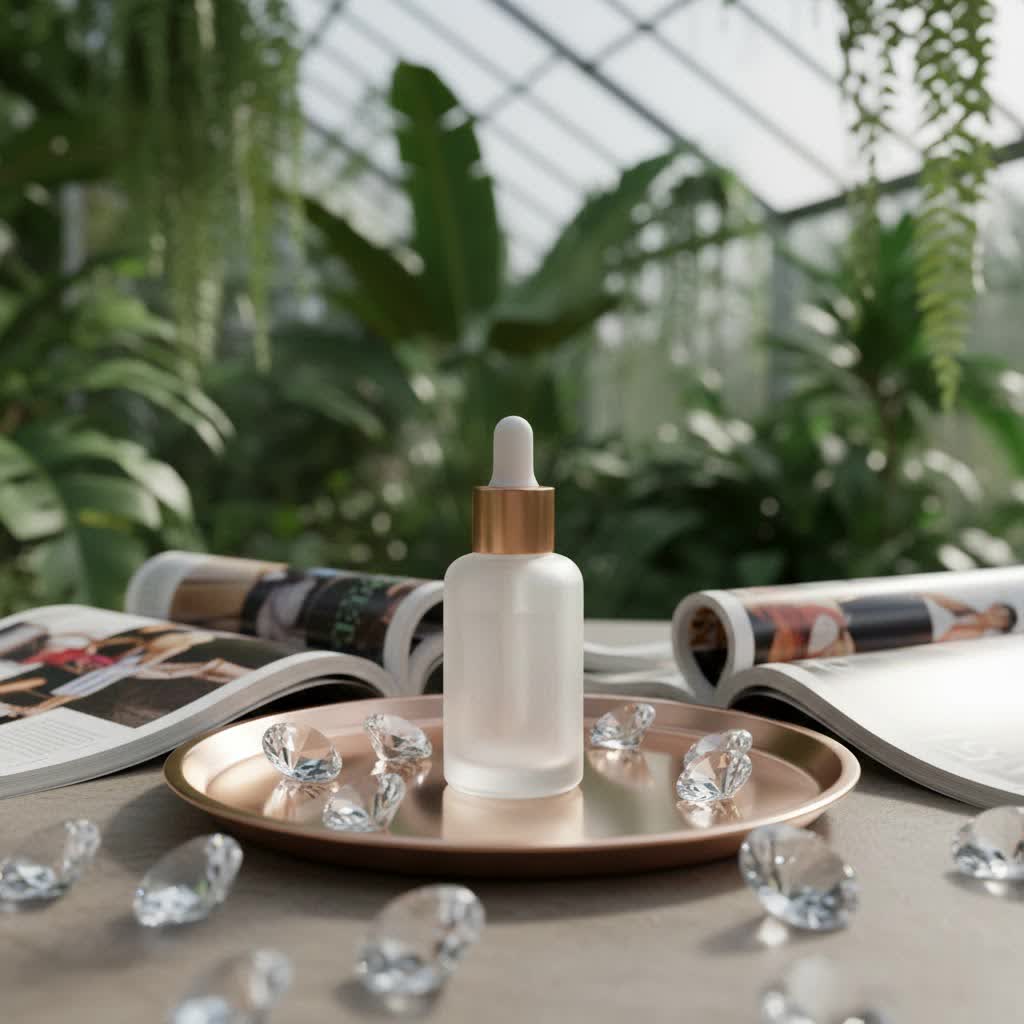
2. Face Serum: All You Need to Know
2.1. What is Face Serum?
|
Our Picks for the Best Face Serum in 2026
As an Amazon Associate I earn from qualifying purchases.
|
||
| Num | Product | Action |
|---|---|---|
| 1 | TruSkin Vitamin C Serum for Face – Anti Aging Face Serum with Hyaluronic Acid & Vitamin E – Brightening Formula for Improving Appearance of Dark Spots, Fine Lines & Wrinkles – All Skin Types, 1 fl oz |

|
| 2 | medicube PDRN Pink Peptide Serum with Salmon DNA - Pink Glow Serum with Peptides & Niacinamide for Hydration & Firm-Looking Skin - Uneven Tone Care - Korean Skincare, 1.01 fl. Oz |
|
| 3 | Good Molecules Hyaluronic Acid Serum - 1% Hyaluronic Acid Non-greasy Ultra Hydrating Serum, Facial Moisturizer for Plumper Skin, Skin Care for Face |
|
| 4 | The Ordinary Niacinamide 10% + Zinc 1%, Smoothing Serum for Blemish-Prone Skin |
|
| 5 | The Ordinary Hyaluronic Acid 2% + B5 (with Ceramides), Multi-Depth Hydration Serum for Plumper, Smoother Skin |
|
| 6 | Dr Sebagh Platinum Gold Elixir Travel Size (0.17 fl oz) - Luxury Anti Aging Serum with 24K Gold & Platinum - Hydrating Facial Serum for Women & Men - Anti Wrinkle & Antioxidant Skin Care |
|
| 7 | Salmon DNA PPRN Serum, 5000ppm Salmon Egg DNA & 2000ppm Collagen, with Glutathione, Niacinamide & 6 Hyaluronic Acids, Korean Anti-Aging Face Serum for Wrinkles and Radiance, 1.5 fl oz, 30 Count |
|
| 8 | La Roche-Posay Hyalu B5 Pure Hyaluronic Acid Serum for Face, Vitamin B5 + Hyaluronic Acid + Madecassoside, Hydrating Serum Visibly Plumps Skin, Sensitive Skin Safe, Anti Aging, Oil-Free |
|
| 9 | medicube PDRN Pink Peptide Serum with Rose PDRN - Vegan Pink Glow Serum with Peptides & Niacinamide for Hydration & Firm-Looking Skin - Uneven Tone Care - Korean Skincare, 1.01 fl. Oz |
|
| 10 | Vichy LiftActiv Vitamin C Serum For Face, Brightening Serum With Pure Vitamin C + Hyaluronic Acid + Vitamin E, Reduces Fine Lines, Smooths Skin Texture, Improves Radiance, Anti Aging |
|
A face serum is a lightweight, concentrated skincare product designed to deliver high concentrations of active ingredients directly into your skin. Serums are typically water-based and have a thinner viscosity compared to moisturizers, allowing them to penetrate deeper into the skin’s layers more efficiently. They address specific skin concerns such as fine lines, wrinkles, dark spots, or dullness.
Unlike creams or lotions, which primarily hydrate and form a protective barrier on the skin’s surface, serums are formulated to target and treat. Essences are often lighter than serums and used after toning to prepare the skin for subsequent treatments. Lotions and creams, with their thicker textures and lower concentrations of active ingredients, are applied after serums to seal in moisture and provide additional hydration and protection.
2.2. Common Ingredients in Face Serum
While many serums exist, Vitamin C serums specifically harness the power of this essential nutrient. However, Vitamin C itself comes in various forms, each with unique characteristics:
- L-Ascorbic Acid (LAA): This is the purest and most biologically active form of Vitamin C. It is highly effective at concentrations between 10% and 20% for brightening, collagen production, and antioxidant protection. However, LAA is notoriously unstable and can oxidize quickly when exposed to light, air, or heat, making proper packaging crucial.
- Sodium Ascorbyl Phosphate (SAP): A more stable, water-soluble derivative of Vitamin C, SAP is gentler on the skin and often recommended for sensitive or acne-prone skin types. It still offers significant antioxidant and brightening benefits.
- 3-O-Ethyl Ascorbic Acid: Known for its excellent stability and water-soluble nature, this form provides potent brightening effects and is well-tolerated by various skin types, including sensitive skin.
- Magnesium Ascorbyl Phosphate (MAP): Another stable and water-soluble form, MAP is known for its hydrating and brightening properties, making it a good option for dry skin.
- Ascorbyl Glucoside: A milder, water-soluble form that is gradually converted to L-Ascorbic Acid in the skin, suitable for all skin types, especially those new to Vitamin C.
- Tetrahexyldecyl Ascorbate (THDA): An oil-soluble form of Vitamin C, THDA is highly stable, deeply penetrative, and gentler than L-Ascorbic Acid, making it excellent for sensitive skin and potent brightening.
Beyond the Vitamin C itself, many effective serums include synergistic ingredients that boost efficacy and stability:
- Ferulic Acid: A powerful plant-based antioxidant that enhances the stability of Vitamin C and E, amplifying their protective effects against free radical damage.
- Vitamin E (Tocopherol): Another antioxidant that works synergistically with Vitamin C to provide enhanced protection against environmental stressors and soothe the skin.
- Hyaluronic Acid: A humectant that draws and retains moisture in the skin, providing deep hydration and plumping for a smoother, more supple complexion.
- Niacinamide (Vitamin B3): This versatile ingredient helps improve skin barrier function, reduce redness, minimize the appearance of pores, and regulate oil production. It pairs well with stable forms of Vitamin C to enhance overall radiance and even skin tone.
- Botanical Extracts: Ingredients like Kakadu Plum (a rich natural source of Vitamin C), Dandelion, Jojoba, and Yuzu Lemon provide additional antioxidant, soothing, and brightening benefits.
2.3. Benefits of Using Face Serum
Incorporating a Vitamin C face serum into your routine can offer a multitude of advantages for your skin:
- Reduces Fine Lines and Wrinkles: As a potent antioxidant, Vitamin C neutralizes free radicals that contribute to premature aging. It also plays a crucial role in collagen synthesis, the protein responsible for maintaining skin’s elasticity and firmness, thus reducing the appearance of fine lines.
- Brightens and Evens Skin Tone: Vitamin C is renowned for its ability to inhibit melanin production, which helps fade hyperpigmentation, dark spots, sun spots, and acne scars. This results in a more radiant, uniform, and glowing complexion.
- Deeply Hydrates and Restores Skin: When combined with ingredients like Hyaluronic Acid, Vitamin C serums can provide significant hydration, helping the skin retain moisture and improve its natural barrier function.
- Combats Acne and Blemishes: Some forms of Vitamin C, especially when paired with ingredients like Niacinamide or Salicylic Acid, can help reduce inflammation, control excess oil, and minimize breakouts. It also helps fade post-inflammatory hyperpigmentation from acne.
- Protects Against Environmental Damage: Vitamin C acts as a shield against environmental stressors like UV radiation and pollution, which generate free radicals that damage skin cells. This protective action helps prevent future damage and maintains overall skin health.
2.4. Popular Face Serums on the Market
The market offers a wide range of Vitamin C serums, often tailored for specific concerns:
- Hydrating Serums: These typically combine Vitamin C with hyaluronic acid or other humectants to maximize moisture retention and plumpness.
- Brightening Serums: Often feature higher concentrations of L-Ascorbic Acid or stable derivatives, sometimes alongside ingredients like Ferulic Acid and Vitamin E, to target dullness and hyperpigmentation.
- Anti-Aging Serums: Focus on stimulating collagen production and reducing the appearance of fine lines and wrinkles. They often contain potent forms of Vitamin C with supporting antioxidants.
- Acne-Fighting Serums: May include Vitamin C with ingredients like Niacinamide or Salicylic Acid to address blemishes, reduce inflammation, and fade post-acne marks.
2.5. Comparison Table of Face Serums
| Feature | L-Ascorbic Acid (Pure Vitamin C) Serum | Stable Vitamin C Derivative (e.g., SAP, 3-O-Ethyl Ascorbic Acid) Serum |
|---|---|---|
| Potency | Highest, most bioavailable | High, excellent efficacy |
| Stability | Least stable; prone to oxidation (requires opaque, airtight packaging) | Highly stable; less prone to oxidation |
| Skin Type Suitability | Best for normal, combination, oily, and mature skin; can irritate sensitive skin | Excellent for sensitive, acne-prone, dry, and all skin types |
| Key Benefits | Powerful brightening, collagen boost, antioxidant protection | Brightening, antioxidant, gentler on skin, better for inflammation |
| Common Pairings | Ferulic Acid, Vitamin E | Hyaluronic Acid, Niacinamide, Cica |
| Price Point | Often premium due to formulation challenges | Varies widely, many effective mid-range options |
2.6. How to Choose the Right Face Serum for Your Skin Type
Selecting the ideal Vitamin C serum involves understanding your skin type and its specific needs.
- For Dry Skin: Look for serums that combine Vitamin C with hydrating ingredients like hyaluronic acid, glycerin, or ceramides. Stable forms like Magnesium Ascorbyl Phosphate or Tetrahexyldecyl Ascorbate can also be beneficial as they are less irritating and offer good moisturizing properties.
- For Oily Skin: Opt for lightweight, non-comedogenic, and oil-free formulas. L-Ascorbic Acid (in proper concentrations) or Sodium Ascorbyl Phosphate are good choices. Serums with Niacinamide or Salicylic Acid can further help manage oiliness and prevent breakouts.
- For Combination Skin: A balanced approach is best. Choose lightweight yet hydrating serums. Formulas with stable Vitamin C derivatives and hyaluronic acid are often well-tolerated across different areas of the face.
- For Sensitive Skin: Start with a lower concentration (5-10%) and choose stable, gentler forms of Vitamin C such as Sodium Ascorbyl Phosphate or 3-O-Ethyl Ascorbic Acid. Always perform a patch test first. Fragrance-free formulas are also recommended to minimize irritation.
- For Mature Skin: Higher concentrations (15-20%) of L-Ascorbic Acid, especially when formulated with Ferulic Acid and Vitamin E, can provide robust anti-aging benefits, targeting fine lines, wrinkles, and loss of firmness.
2.7. How to Use Face Serum Correctly
To maximize the benefits of your Vitamin C serum, proper application is key:
- Cleanse: Always start with a freshly cleansed face to remove dirt, oil, and impurities.
- Tone (Optional): If you use a toner, apply it after cleansing to balance your skin’s pH. Avoid toners with other strong acids or exfoliants when using a Vitamin C serum to prevent over-exfoliation.
- Apply Serum: Dispense 2-3 drops (or a pea-sized amount) of Vitamin C serum onto your fingertips. Gently pat the serum over your entire face and neck, avoiding the eye area. Patting rather than rubbing helps the serum absorb better and deeper.
- Allow Absorption: Wait 5-10 minutes for the serum to fully absorb into your skin before moving to the next step.
- Moisturize: Follow with your favorite moisturizer to seal in the serum and provide additional hydration.
- Sunscreen (Morning Routine is Crucial): If applying in the morning, always finish with a broad-spectrum sunscreen with at least SPF 30. Vitamin C can make your skin more sensitive to sun exposure, and sunscreen protects its benefits while shielding your skin from UV damage.
Tips for Usage:
- When to Apply: The best time to apply Vitamin C serum is in the morning to leverage its antioxidant protection against daily environmental stressors. However, it can also be used at night to aid in skin repair and collagen production. If using both morning and night, consider starting with once a day, especially if you have sensitive skin, and gradually increasing.
- Consistency is Key: Regular and consistent use yields the best results. Most people start seeing noticeable improvements in skin brightness and tone within 4-6 weeks.
- Patch Test: Always perform a patch test on a small, inconspicuous area of your skin before applying a new serum to your entire face, especially if you have sensitive skin.
2.8. Where to Buy Reputable Face Serum?
To ensure you’re getting an authentic and effective Vitamin C serum, purchase from reputable sources:
- Official Brand Websites: Buying directly from the brand’s website guarantees authenticity.
- Authorized Retailers: Major beauty retailers, department stores, and authorized online platforms are reliable options.
- Dermatologist Offices: Many dermatologists offer medical-grade skincare products, including highly effective Vitamin C serums.
- Pharmacies/Drugstores: Reputable pharmacy chains often carry well-known skincare brands with a range of Vitamin C serums.
Always be wary of unusually low prices or unofficial sellers, as counterfeit products can be ineffective or even harmful.
2.9. Important Considerations When Using Face Serum
While Vitamin C serums are generally safe, keeping a few things in mind can help prevent issues:
- Potential Side Effects: Some individuals, especially those with sensitive skin, may experience mild redness, tingling, or irritation when first introducing Vitamin C. Starting with a lower concentration and gradually increasing can help your skin adjust.
- Oxidation: L-Ascorbic Acid is prone to oxidation, which can reduce its efficacy. Look for serums packaged in dark, opaque bottles with air-tight pumps or droppers to protect the formula. If your serum turns a dark yellow or brown, it has likely oxidized and should be replaced.
- Storage: Store your Vitamin C serum in a cool, dark place, away from direct sunlight and heat, to maintain its stability and potency.
- Interactions with Other Ingredients:
- Retinol: It’s generally recommended to apply Vitamin C in the morning and Retinol at night to avoid potential irritation and ensure each ingredient works optimally. Alternatively, you can alternate them on separate nights.
- AHAs/BHAs: If using exfoliating acids, be mindful of their concentration and frequency. Over-exfoliation can lead to irritation when combined with Vitamin C. Consider using them on alternate days or at different times of the day.
2.10. Buying Guide: The Secret to Choosing the Perfect Face Serum
Navigating the vast array of Vitamin C serums can be daunting. Here’s a simplified guide to help you find your perfect match:
- Identify Your Skin Type and Concerns: Are you oily, dry, sensitive, or combination? What specific issues do you want to address – dark spots, fine lines, dullness, or acne?
- Research the Form and Concentration of Vitamin C:
- Sensitive/Beginner: Start with 5-10% stable derivatives like SAP or 3-O-Ethyl Ascorbic Acid.
- Normal/Most Skin Types: 10-15% L-Ascorbic Acid or stable derivatives are highly effective.
- Experienced/Tolerant: 15-20% L-Ascorbic Acid for maximum impact on aging and brightening.
- Check for Complementary Ingredients: Look for formulas that include Ferulic Acid and Vitamin E for enhanced stability and antioxidant benefits, and Hyaluronic Acid or Niacinamide for added hydration and skin barrier support.
- Consider Packaging: Prioritize opaque, airtight bottles to protect the delicate Vitamin C from light and air, especially for L-Ascorbic Acid formulas.
- Read Reviews and Compare Prices: Consult reputable beauty blogs, dermatologist recommendations, and user reviews. Compare prices across trusted retailers to find a product that fits your budget without compromising quality.
- Choose Reputable Brands: Opt for established brands known for their research, stable formulations, and transparent ingredient lists.
“A well-formulated Vitamin C serum is a game-changer for skin health. It’s not just about brightening; it’s about robust protection and long-term skin vitality.” – Dr. Sarah Lee, Board-Certified Dermatologist
Conclusion
Vitamin C face serum is an indispensable ally in achieving a healthy, radiant complexion. From its powerful antioxidant capabilities to its role in collagen synthesis and hyperpigmentation reduction, the benefits are extensive. By understanding the different forms of Vitamin C, recognizing complementary ingredients, and tailoring your choice to your specific skin type and concerns, you can unlock its full potential. Consistent use, coupled with proper application and sun protection, will pave the way for a visibly brighter, smoother, and more youthful appearance. Are you ready to embrace the glow?
Frequently Asked Questions
What percentage of Vitamin C serum is best for beginners?
For beginners or those with sensitive skin, it is generally recommended to start with a lower concentration of Vitamin C, typically between 5% and 10%. This allows your skin to gradually adapt to the active ingredient, minimizing the risk of irritation while still providing beneficial antioxidant and brightening effects.
Can I use Vitamin C serum every day?
Yes, most Vitamin C serums are formulated for daily use, and consistency is key to seeing results. Many people prefer to apply it once in the morning to leverage its protective benefits against environmental aggressors. If your skin tolerates it well, you can also use it twice daily, both morning and night.
Does Vitamin C serum cause purging?
True purging (a temporary increase in breakouts) is less common with Vitamin C than with exfoliants like retinoids or AHAs. However, some individuals, particularly those with sensitive skin, might experience mild irritation, redness, or a few initial breakouts as their skin adjusts. If severe or persistent, discontinue use.
What ingredients should not be mixed with Vitamin C serum?
While many ingredients pair well with Vitamin C, it’s generally advised to avoid using it simultaneously with certain potent exfoliants like strong AHAs (Glycolic Acid) or high-strength Retinol, especially if you have sensitive skin, to prevent irritation. Instead, alternate them by using Vitamin C in the morning and these ingredients at night, or on different days.
