Unlocking truly radiant skin often feels like a quest, with countless products promising miraculous transformations. Have you ever wondered if there’s a simpler, more potent secret to achieving a healthy, vibrant complexion? The answer lies in the concentrated power of a natural face serum, a skincare hero that delivers targeted benefits derived from nature’s finest ingredients. Whether you battle dryness, dullness, fine lines, or breakouts, integrating the right natural face serum can profoundly elevate your skincare routine, helping you achieve the clear, smooth, and glowing skin you desire. This comprehensive guide will navigate the world of natural face serums, helping you understand their unique benefits, key ingredients, and how to choose the perfect one to reveal your skin’s inherent beauty.
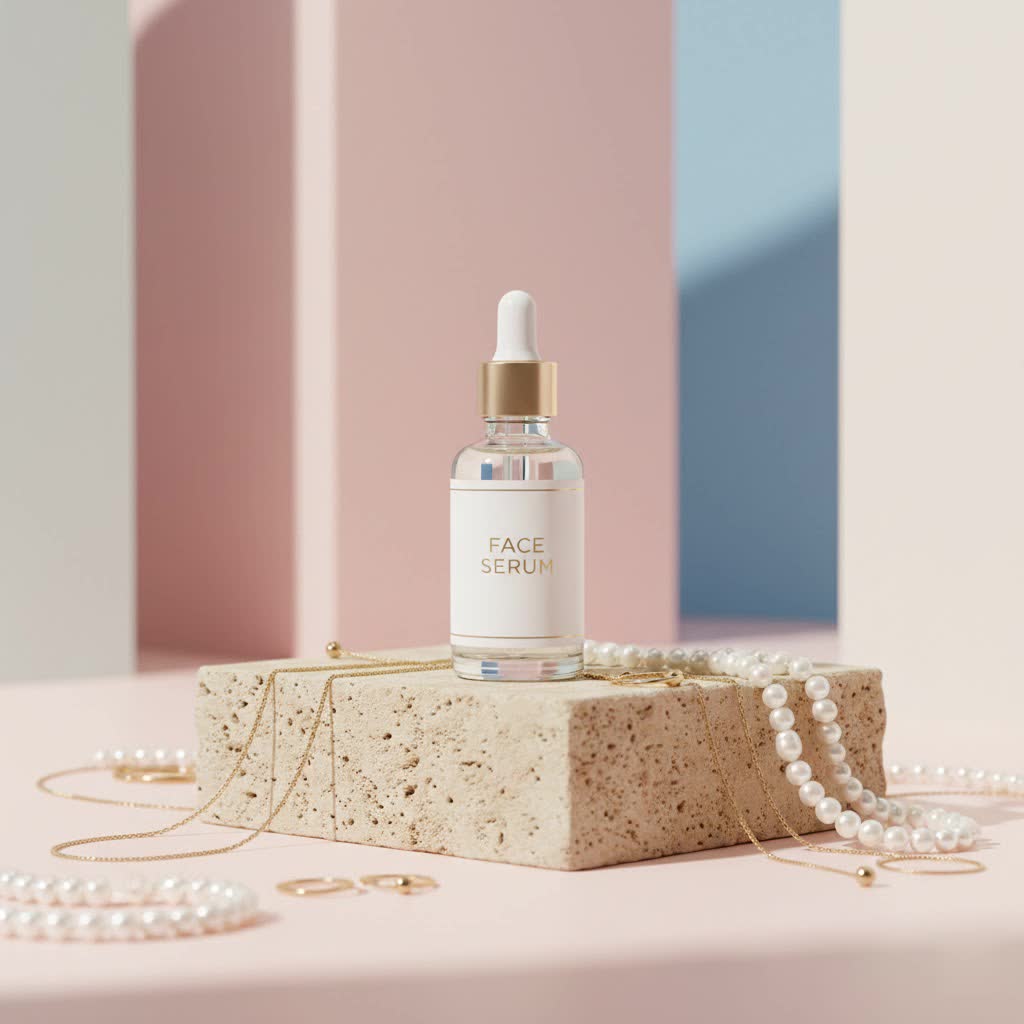
2. Face Serum: Everything You Need to Know
2.1. What is Face Serum?
|
Our Picks for the Best Face Serum in 2026
As an Amazon Associate I earn from qualifying purchases.
|
||
| Num | Product | Action |
|---|---|---|
| 1 | La Roche-Posay Hyalu B5 Pure Hyaluronic Acid Serum for Face, Vitamin B5 + Hyaluronic Acid + Madecassoside, Hydrating Serum Visibly Plumps Skin, Sensitive Skin Safe, Anti Aging, Oil-Free |

|
| 2 | Salmon DNA PPRN Serum, 5000ppm Salmon Egg DNA & 2000ppm Collagen, with Glutathione, Niacinamide & 6 Hyaluronic Acids, Korean Anti-Aging Face Serum for Wrinkles and Radiance, 1.5 fl oz, 30 Count |
|
| 3 | The Ordinary Niacinamide 10% + Zinc 1%, Smoothing Serum for Blemish-Prone Skin |
|
| 4 | Good Molecules Hyaluronic Acid Serum - 1% Hyaluronic Acid Non-greasy Ultra Hydrating Serum, Facial Moisturizer for Plumper Skin, Skin Care for Face |
|
| 5 | The Ordinary Hyaluronic Acid 2% + B5 (with Ceramides), Multi-Depth Hydration Serum for Plumper, Smoother Skin |
|
| 6 | medicube PDRN Pink Peptide Serum with Salmon DNA - Pink Glow Serum with Peptides & Niacinamide for Hydration & Firm-Looking Skin - Uneven Tone Care - Korean Skincare, 1.01 fl. Oz |
|
| 7 | Vichy LiftActiv Vitamin C Serum For Face, Brightening Serum With Pure Vitamin C + Hyaluronic Acid + Vitamin E, Reduces Fine Lines, Smooths Skin Texture, Improves Radiance, Anti Aging |
|
| 8 | TruSkin Vitamin C Serum for Face – Anti Aging Face Serum with Hyaluronic Acid & Vitamin E – Brightening Formula for Improving Appearance of Dark Spots, Fine Lines & Wrinkles – All Skin Types, 1 fl oz |
|
| 9 | Dr Sebagh Platinum Gold Elixir Travel Size (0.17 fl oz) - Luxury Anti Aging Serum with 24K Gold & Platinum - Hydrating Facial Serum for Women & Men - Anti Wrinkle & Antioxidant Skin Care |
|
| 10 | medicube PDRN Pink Peptide Serum with Rose PDRN - Vegan Pink Glow Serum with Peptides & Niacinamide for Hydration & Firm-Looking Skin - Uneven Tone Care - Korean Skincare, 1.01 fl. Oz |
|
A face serum is a lightweight, highly concentrated skincare product designed to deliver active ingredients directly into your skin. Unlike thicker creams or lotions that primarily moisturize the skin’s surface, serums are formulated with smaller molecules that penetrate deeper to address specific skin concerns with greater intensity. Natural face serums, in particular, harness the power of plant-based and organic ingredients, offering potent solutions free from harsh chemicals and synthetic additives.
Serums differ from other skincare products in their composition and function. While essences are often thinner and prep the skin, and moisturizers focus on hydrating and sealing the skin’s barrier, serums are treatment-oriented powerhouses. They also contrast with facial oils, which are typically mixtures of carrier and essential oils, while serums can contain both oil-soluble and water-soluble components, making them exceptionally versatile and effective in delivering concentrated active ingredients deep into the skin’s layers.
2.2. Common Ingredients in Natural Face Serums
Natural face serums are celebrated for their diverse array of active botanical ingredients, each offering unique benefits to the skin. Understanding these components is key to selecting a serum that truly meets your skin’s needs.
- Vitamin C: A powerful antioxidant, Vitamin C brightens the skin, diminishes dark spots, and is essential for collagen synthesis, helping to improve skin tone and fight environmental stressors. It’s often derived from sources like Kakadu plum cellular extract.
- Hyaluronic Acid (HA): Known as the ultimate hydrator, HA can hold up to 1,000 times its weight in water, providing intense, deep hydration and plumping the skin to reduce the appearance of fine lines and improve elasticity. It is a humectant, meaning it draws moisture into the skin.
- Retinol Alternatives (e.g., Bakuchiol): While traditional retinol is synthetic, natural alternatives like Bakuchiol offer similar anti-aging benefits, promoting collagen production and cell turnover to reduce wrinkles and improve texture, often with less irritation, making them suitable for sensitive skin.
- Niacinamide (Vitamin B3): This versatile ingredient helps regulate oil production, minimize pore size, reduce redness, and improve the skin’s barrier function, making it beneficial for oily, acne-prone, and sensitive skin types.
- Peptides: Natural peptides are protein fragments that signal the skin to produce more collagen and elastin, improving firmness, reducing wrinkles, and aiding in skin repair and barrier function.
- Botanical Extracts:
- Aloe Vera: Renowned for its hydrating and soothing properties, aloe vera is excellent for calming irritated or sensitive skin.
- Rosehip Oil: Rich in essential fatty acids and antioxidants, rosehip oil helps to regenerate skin cells, reduce the appearance of scars, and even out skin tone.
- Green Tea Extract: A potent antioxidant, green tea extract offers anti-inflammatory benefits and helps protect the skin from environmental damage.
- Calendula Oil: Known for its healing and soothing properties, calendula is particularly gentle and effective for sensitive and damaged skin.
- Willow Bark Extract: A natural source of salicylic acid, willow bark gently exfoliates, helps clarify pores, and reduces inflammation, beneficial for acne-prone skin.
These ingredients are often combined synergistically in natural serum formulations to target multiple concerns and enhance overall skin health.
2.3. Benefits of Using a Natural Face Serum
Incorporating a natural face serum into your daily routine can bring a multitude of transformative benefits to your complexion. These potent elixirs work diligently beneath the surface to address various skin concerns, leading to visible improvements.
- Improve Wrinkles and Aging Skin: Serums rich in antioxidants, peptides, and natural retinol alternatives stimulate collagen and elastin production, effectively reducing the appearance of fine lines and wrinkles for a more youthful look.
- Brighten and Even Skin Tone: Ingredients like Vitamin C, licorice root extract, and alpha hydroxy acids (AHAs) help diminish dark spots, hyperpigmentation, and sun damage, revealing a more uniform and radiant complexion.
- Deep Hydration and Skin Repair: Humectants such as hyaluronic acid, alongside plant-derived lipids and essential fatty acids, provide intense, long-lasting moisture, strengthening the skin’s natural barrier and promoting healing.
- Reduce Acne and Dark Spots: Exfoliating natural serums containing BHAs (like willow bark extract) or azelaic acid can unclog pores, reduce inflammation, and prevent breakouts. Antioxidants and brightening agents also help fade post-acne marks and dark spots.
2.4. Popular Types of Natural Face Serums on the Market
The market offers a wide array of natural face serums, each formulated to address specific skin concerns. Identifying the primary goal for your skin can help narrow down your choices.
- Hydrating Serums: These are designed to quench thirsty skin, often featuring hero ingredients like Hyaluronic Acid, glycerin, and various botanical extracts that draw and lock in moisture. They are ideal for dry or dehydrated skin types.
- Brightening Serums: Targeting dullness, uneven tone, and dark spots, brightening serums typically contain potent antioxidants such as Vitamin C, licorice root, or daisy extract to enhance luminosity and clarity.
- Anti-Aging Serums: Focused on combating the signs of aging, these serums are packed with ingredients like peptides, natural retinol alternatives (e.g., bakuchiol), and antioxidants to firm, smooth, and rejuvenate the skin, reducing the appearance of fine lines and wrinkles.
- Acne Treatment Serums: Formulated for blemish-prone skin, these serums often include ingredients such as willow bark extract (natural BHA), green tea extract, and niacinamide to control oil, unclog pores, and reduce inflammation and redness.
2.5. Comparing Natural Face Serums
Choosing a natural face serum can be simplified by understanding the core function of common ingredients. While specific brands and prices vary widely, this table highlights the primary components and benefits often found in popular natural serum types.
| Serum Type | Key Natural Ingredients | Primary Benefits | Ideal Skin Type(s) |
|---|---|---|---|
| Hydrating | Hyaluronic Acid, Glycerin, Aloe Vera, Rose Water | Deeply moisturizes, plumps skin, enhances barrier function. | Dry, Dehydrated, Normal, Combination |
| Brightening | Vitamin C (e.g., Kakadu Plum), Licorice Root, Daisy Extract | Evens skin tone, reduces dark spots, boosts radiance. | Dull, Hyperpigmentation, Uneven Tone |
| Anti-Aging | Peptides, Bakuchiol, Rosehip Oil, Green Tea Extract | Reduces fine lines/wrinkles, improves firmness, stimulates collagen. | Mature, All (for preventative care) |
| Acne-Fighting | Willow Bark Extract (BHA), Niacinamide, Tea Tree Oil, Green Tea Extract | Controls oil, minimizes pores, reduces breakouts, calms inflammation. | Oily, Acne-Prone, Combination |
| Soothing | Calendula, Chamomile, Green Tea Extract, Aloe Vera | Calms irritation, reduces redness, strengthens barrier. | Sensitive, Irritated, Rosacea-prone |
This table offers a general guide to help you identify which type of natural face serum and its associated ingredients will best suit your individual skin concerns.
2.6. How to Choose the Right Natural Face Serum for Your Skin Type
Selecting the perfect natural face serum begins with a clear understanding of your skin type and its unique concerns. Each skin type benefits from specific ingredients that address its particular needs effectively.
- Dry Skin: Opt for serums rich in humectants like Hyaluronic Acid, glycerin, betaine, and panthenol to draw moisture into the skin. Look for nourishing plant-derived lipids, essential fatty acids, and Vitamin E to support a healthy barrier and prevent moisture loss.
- Oily Skin: Seek lightweight, oil-controlling serums. Niacinamide is excellent for regulating sebum production and minimizing pore size. Ingredients such as zinc, lactic acid, and pink clay can help absorb excess oil.
- Combination Skin: This type benefits from a balanced approach. Consider using serums with both Hyaluronic Acid for dry areas and Niacinamide for oilier zones, or a single serum formulated to balance both needs without heaviness.
- Sensitive Skin: Prioritize gentle, fragrance-free formulas. Calendula is a powerhouse for healing and soothing, while milk proteins and calming botanical extracts like green tea can reduce irritation. Avoid synthetic fragrances and dyes.
- Mature Skin: Retinol (or natural alternatives like Bakuchiol) is paramount for stimulating collagen and elastin. Peptides and hydrating humectants like Hyaluronic Acid restore plumpness, while lactic acid promotes natural cell turnover for smoother skin.
- Acne-Prone Skin: Salicylic acid (from willow bark extract) is crucial for unclogging pores and reducing inflammation. Azelaic acid combats acne-causing bacteria, and antibacterial honey or green tea extract can soothe irritated skin.
- Dullness & Hyperpigmentation: To brighten and even tone, choose serums with Vitamin C, glycolic acid, licorice root extract, or niacinamide. These ingredients work to exfoliate and fade discolorations, revealing a more luminous complexion.
Always perform a patch test before applying a new serum to your entire face to ensure compatibility with your skin.
2.7. How to Use Natural Face Serum Correctly
Integrating a natural face serum into your skincare routine is a simple yet impactful step. For optimal results, follow these general guidelines:
- Cleanse: Start with a gentle cleanser to remove impurities and prepare your skin.
- Tone (Optional): If you use a toner, apply it after cleansing to balance your skin’s pH.
- Apply Serum: Dispense a small amount (typically 2-4 drops) of serum onto your fingertips. Gently pat and press the serum evenly onto your face and neck, avoiding harsh rubbing. Allow it to absorb fully for a minute or two.
- Moisturize: Follow with your organic face oil or moisturizer to seal in the serum’s active ingredients and provide additional hydration.
- Sun Protection (AM): In the morning, always finish with a broad-spectrum mineral sunscreen.
Usage Notes:
- Timing: While Vitamin C serums are often ideal for morning use to provide antioxidant protection throughout the day, exfoliating or regenerating serums (e.g., those with AHAs, BHAs, or retinol alternatives) are best applied at night when your skin is in repair mode.
- Less is More: Serums are highly concentrated, so a small amount is usually sufficient.
- Listen to Your Skin: Adjust usage frequency based on your skin’s response, especially with potent active ingredients.
2.8. Where to Buy Reputable Natural Face Serums?
When investing in natural face serums, sourcing from reputable retailers is paramount to ensure product authenticity, quality, and efficacy. Look for these trusted avenues:
- Official Brand Websites: Purchasing directly from the brand’s official website guarantees you receive genuine products and often provides access to the latest formulations and customer support.
- Certified Clean Beauty Retailers: Stores specializing in “clean” or “natural” beauty products often have strict ingredient standards and curate their selections, offering a vetted range of options.
- Organic & Health Food Stores: Many natural face serums are found in sections dedicated to organic skincare within health food stores, which typically prioritize natural and ethically sourced ingredients.
- Specialty Skincare Boutiques: These shops often carry niche, high-quality natural brands and can offer personalized recommendations from knowledgeable staff.
- Pharmacies/Drugstores with Natural Sections: Some larger pharmacies are expanding their offerings to include dedicated natural or organic skincare sections.
Always check for third-party certifications (like USDA Organic, Ecocert, or leaping bunny for cruelty-free) if these align with your values, as they signify a commitment to specific standards of natural and ethical production.
2.9. Important Considerations When Using Natural Face Serums
While natural face serums offer remarkable benefits, it’s essential to approach their use with awareness and care to ensure the best experience for your skin.
- Potential Side Effects: Even natural ingredients can cause reactions in some individuals, especially those with very sensitive skin. Common reactions might include mild redness, tingling, or dryness, particularly when first introducing potent actives like Vitamin C or AHAs. Always perform a patch test on a small, inconspicuous area of skin (like behind the ear or on the inner forearm) before applying a new serum to your entire face. Discontinue use if significant irritation occurs.
- Ingredient Sensitivity: Be mindful of specific natural allergens if you have known sensitivities (e.g., certain essential oils, nut oils). Read ingredient lists carefully.
- Product Layering: While serums are generally applied before moisturizers, be cautious when layering multiple active serums, as some combinations might reduce efficacy or increase irritation. If unsure, consult a dermatologist or an experienced skincare professional.
- Storage: Many natural serums, especially those rich in antioxidants, can be sensitive to light and air. Store them in a cool, dark place, ideally in their original opaque or amber glass packaging, to maintain ingredient stability and potency. Follow any specific storage instructions on the product label.
2.10. Buying Guide: The Secret to Choosing the Perfect Natural Face Serum
Navigating the vast world of natural face serums can be overwhelming, but a systematic approach ensures you find the perfect match for your skin. Here’s a concise buying guide to help you make an informed decision.
- Identify Your Skin Type and Needs: This is the foundational step. Are you oily, dry, sensitive, or combination? What are your primary concerns—acne, aging, dullness, or dehydration? Pinpointing these will guide your ingredient search.
- Research Ingredients and Benefits: Once you know your needs, look for serums featuring the specific natural ingredients known to address them (e.g., Hyaluronic Acid for dryness, Vitamin C for brightening, Bakuchiol for anti-aging). Understand how these ingredients work and their appropriate concentrations.
- Read Reviews and Compare Products: While not always perfect, genuine customer reviews can offer insights into a product’s performance and suitability for different skin types. Compare ingredient lists and concentrations across brands to ensure you’re getting effective formulations.
- Choose Trusted Brands: Opt for brands with a strong reputation for transparency, ethical sourcing, and clean formulations. Look for certifications (e.g., organic, cruelty-free) that align with your values.
- Consider Sample Sizes: If available, trying a sample size is an excellent way to test a serum’s compatibility with your skin before committing to a full-sized bottle.
By following these steps, you can confidently select a natural face serum that genuinely enhances your skin’s health and radiance.
Conclusion
Embracing a natural face serum is a powerful step towards a healthier, more vibrant complexion. These concentrated elixirs, packed with botanical goodness, offer targeted solutions for everything from deep hydration and radiant brightening to effective anti-aging and blemish control. By understanding your unique skin type and the remarkable benefits that natural ingredients like Hyaluronic Acid, Vitamin C, and plant-derived peptides can offer, you empower yourself to make informed choices. The journey to a naturally glowing and resilient skin isn’t just about applying products; it’s about nurturing your skin with the pure, potent wisdom of nature. What natural ingredient are you most excited to introduce into your skincare routine to uncover your skin’s full potential?
Frequently Asked Questions
What makes a face serum “natural”?
A face serum is considered “natural” when it is primarily formulated with plant-based, organic, or naturally derived ingredients, often avoiding synthetic fragrances, dyes, parabens, phthalates, and harsh chemicals. These products aim to harness the inherent power of botanicals to improve skin health.
Can natural face serums replace my moisturizer?
No, natural face serums typically do not replace moisturizers. Serums deliver concentrated active ingredients to target specific concerns, while moisturizers primarily hydrate the skin’s surface and seal in moisture, forming a protective barrier. For optimal results, serums should be applied before your moisturizer.
How long does it take to see results from a natural face serum?
The timeframe to see results from a natural face serum can vary depending on the active ingredients, the specific skin concern, and individual skin cell turnover rates. While some users notice improvements in hydration or radiance within days, more significant changes in texture, dark spots, or fine lines may take several weeks to a few months of consistent use.
Are natural face serums suitable for all skin types?
Yes, there are natural face serums formulated for every skin type, including dry, oily, combination, sensitive, and acne-prone. The key is to identify your specific skin needs and choose a serum with natural ingredients that are known to address those concerns without causing irritation.
Should I use more than one natural face serum?
You can use more than one natural face serum, but it’s often best to introduce them one at a time to observe your skin’s reaction. If using multiple, apply the thinner, water-based serum first, followed by thicker, oil-based serums, then your moisturizer. Be mindful of potential ingredient interactions.
